
Field guide
Something looks wrong in the field? Match it here — acid soil, salt, iron lock, waterlog. Lab-sheet words live under Reading the soil test.
Can’t read the lab sheet? Open Reading the soil testProblem
10 guides
One guide can sit in more than one group, so the chip counts add up to more than 100.
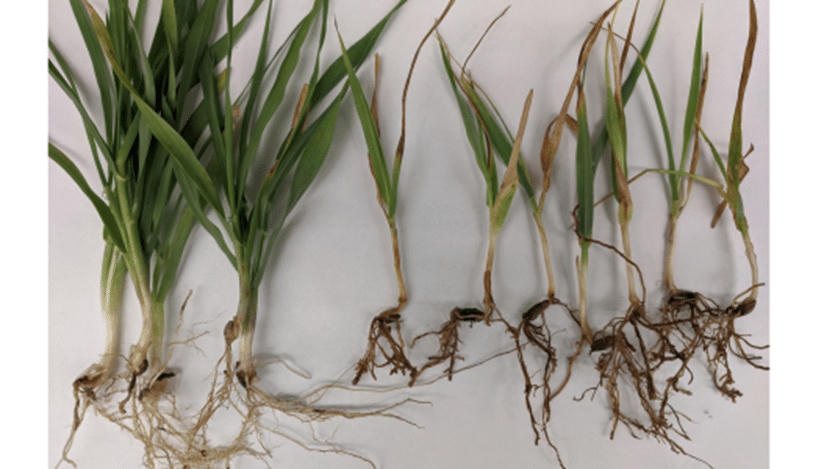 Acid soil: seedlings stall, root tips go brownStunted seedlings: check the root tips, then pH. On grain land, consider lime only below about 5.5.Acid soil
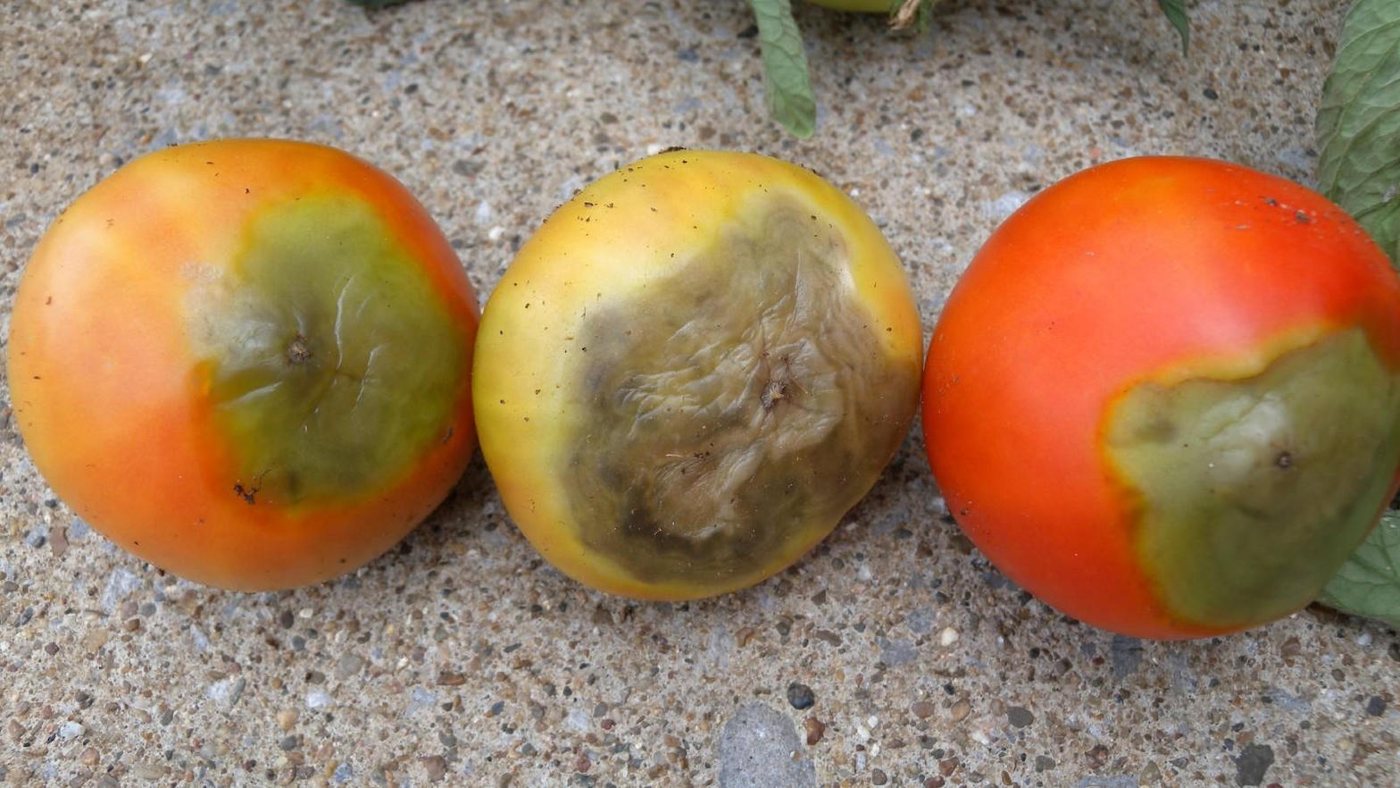 Acid soil and calcium shortage together: blossom-end rot is not only a foliar calcium jobAcid locks calcium and aluminium bites the tip. Test pH, then talk calcium.Acid soil
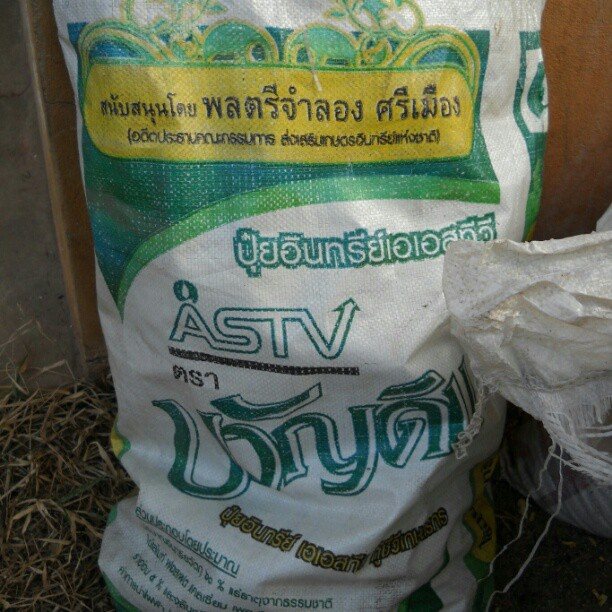 Physiological acid fertilisers make the soil more acid year after yearYears of ammonium without a pH reading. Rotate the N source, retest.Acid soil
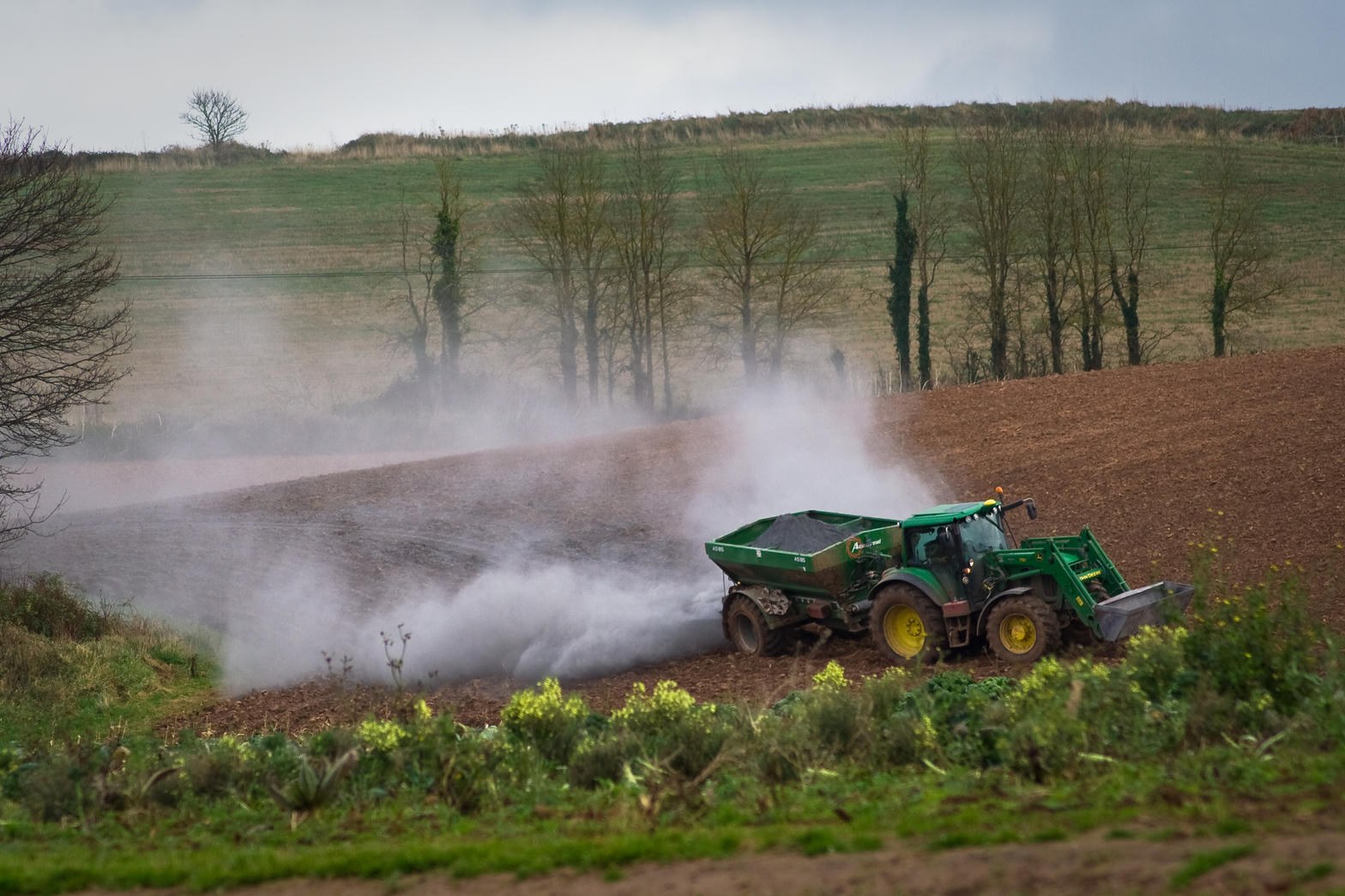 Agricultural lime: how much, and whenFarm lime 50–150 kg/mu (about 750–2250 kg/ha), split, sandy soils low. No builder’s lime.Acid soil
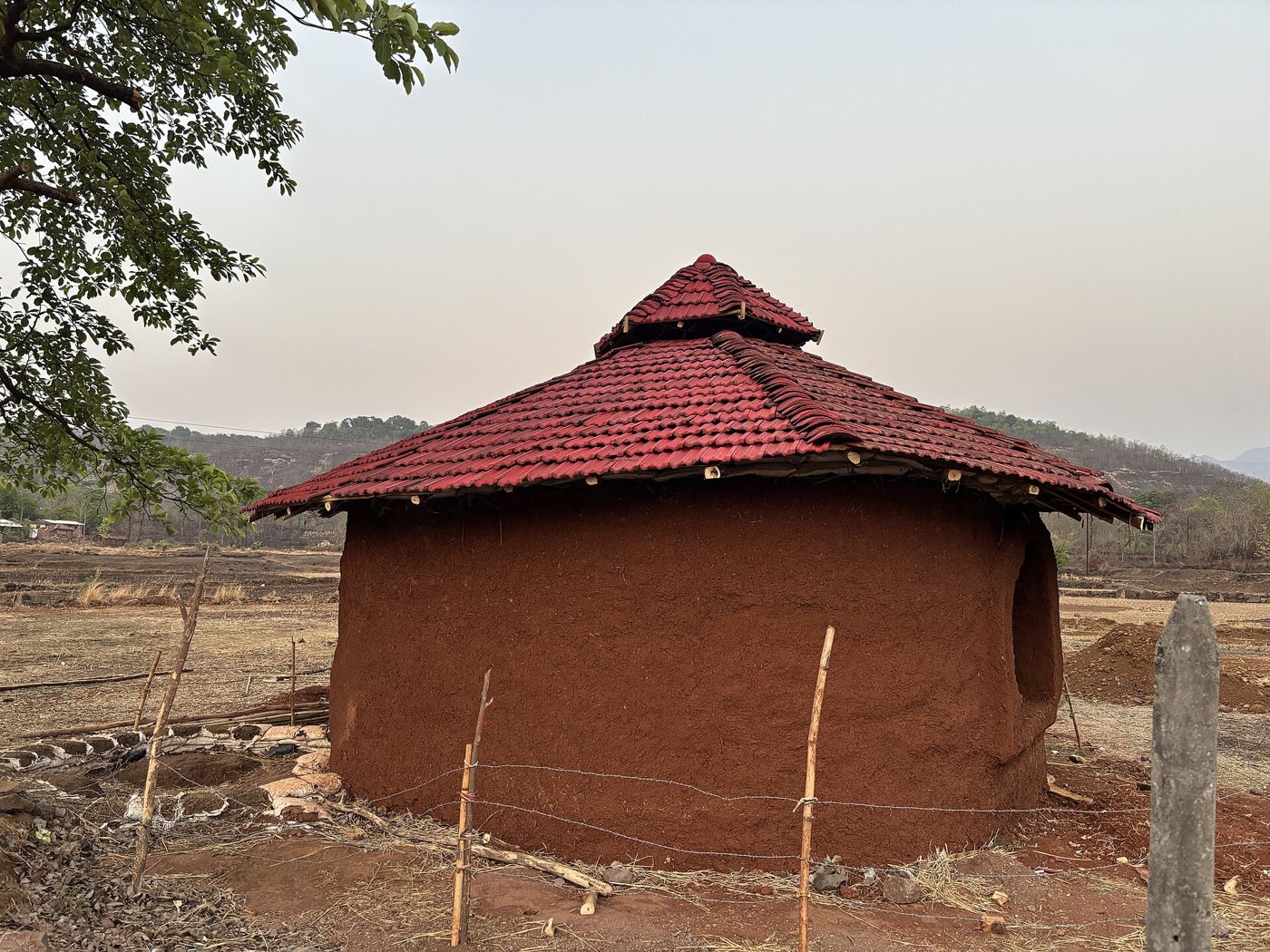 Red-yellow earth: test pH before you consider limeStiff seedlings, rusty water, red or yellow clay. Lime only below about 5.5, split, sandy soils low.Acid soil
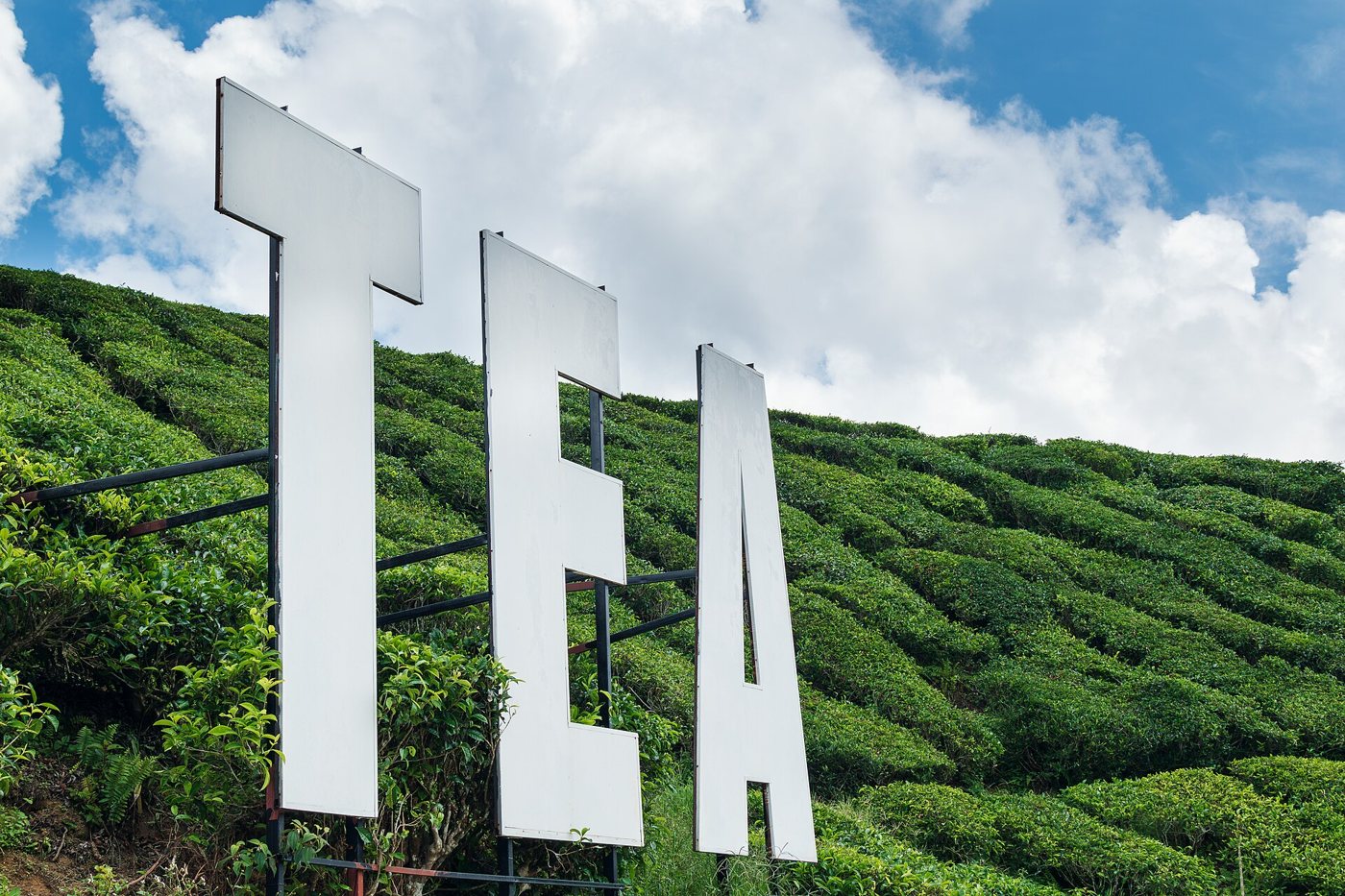 Lime taboos in tea: how to correct acid without hurting the bushTea wants acid. Grain lime rates overshoot. Small doses, far from the collar, retest.Acid soil
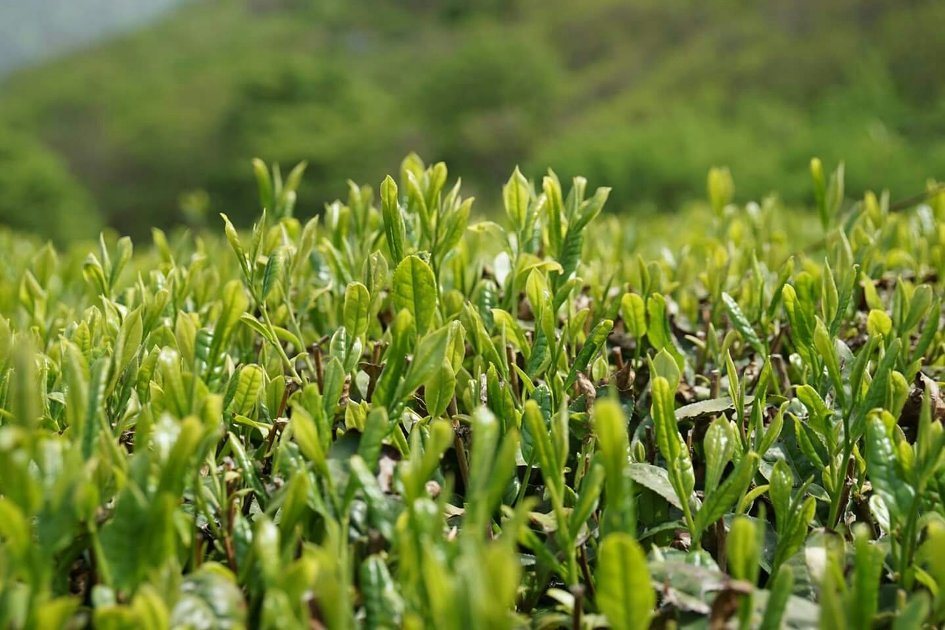 Tea gardens too acid: tolerant is not ‘the more acid the better’Tea likes acid, not a dead root from aluminium. Grain lime rates will hurt the bush.Acid soil
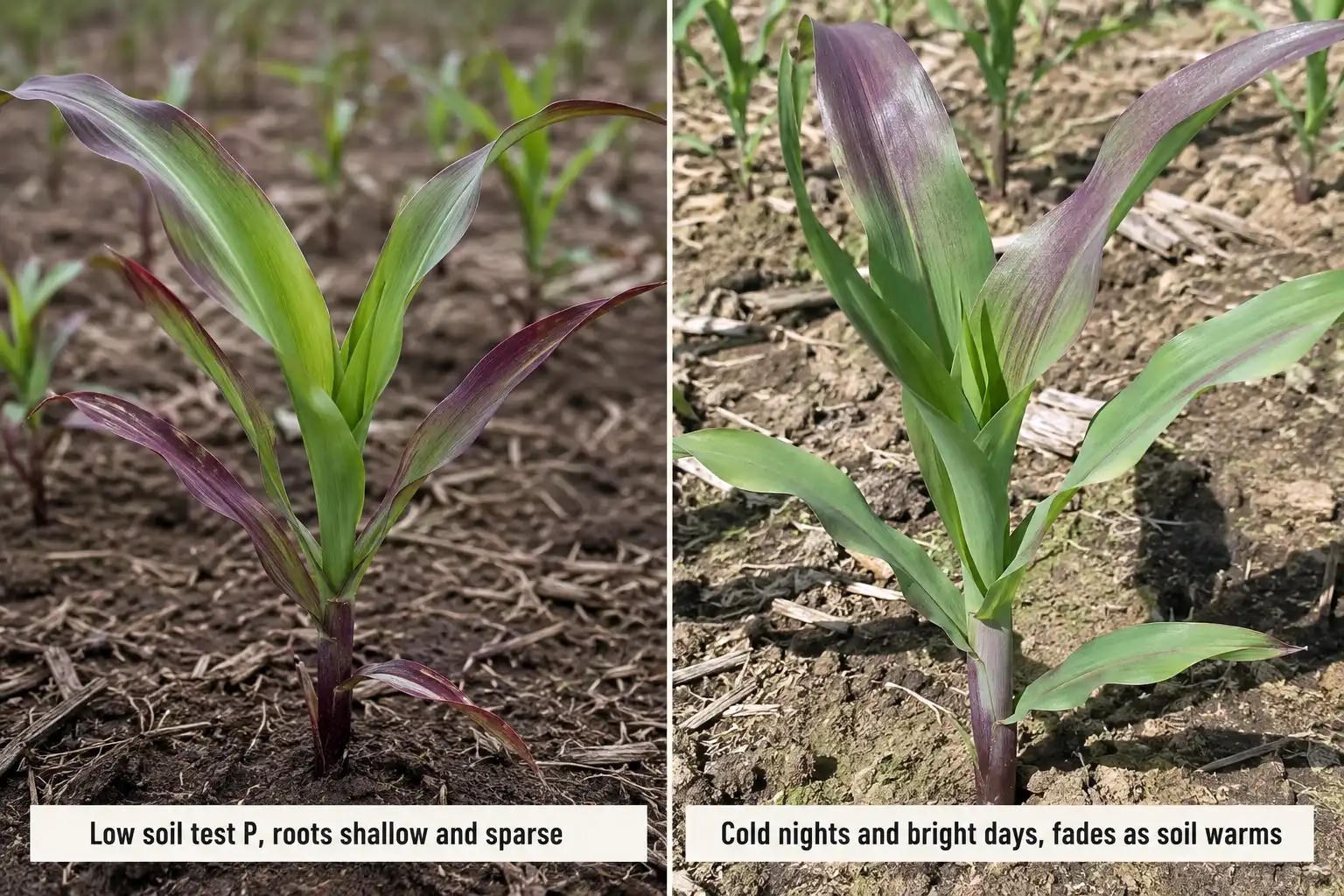 Acid soil locks phosphorus: purple, dwarf seedlings — fix acid before you pour more PPurple stiff seedlings on acid fields. A band of P plus lime beats another broadcast of the same bag.Acid soil
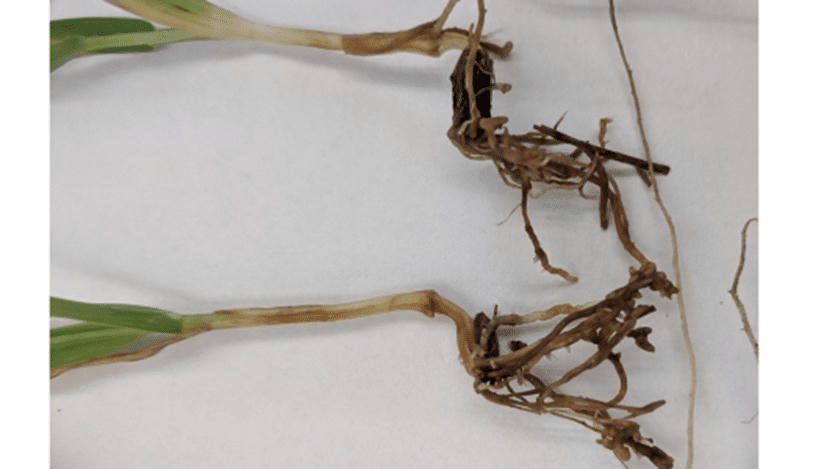 Aluminium injury: brown, bald root tipsOn grain land, consider lime only below about 5.5. Do not push urea onto bald tips.Acid soil
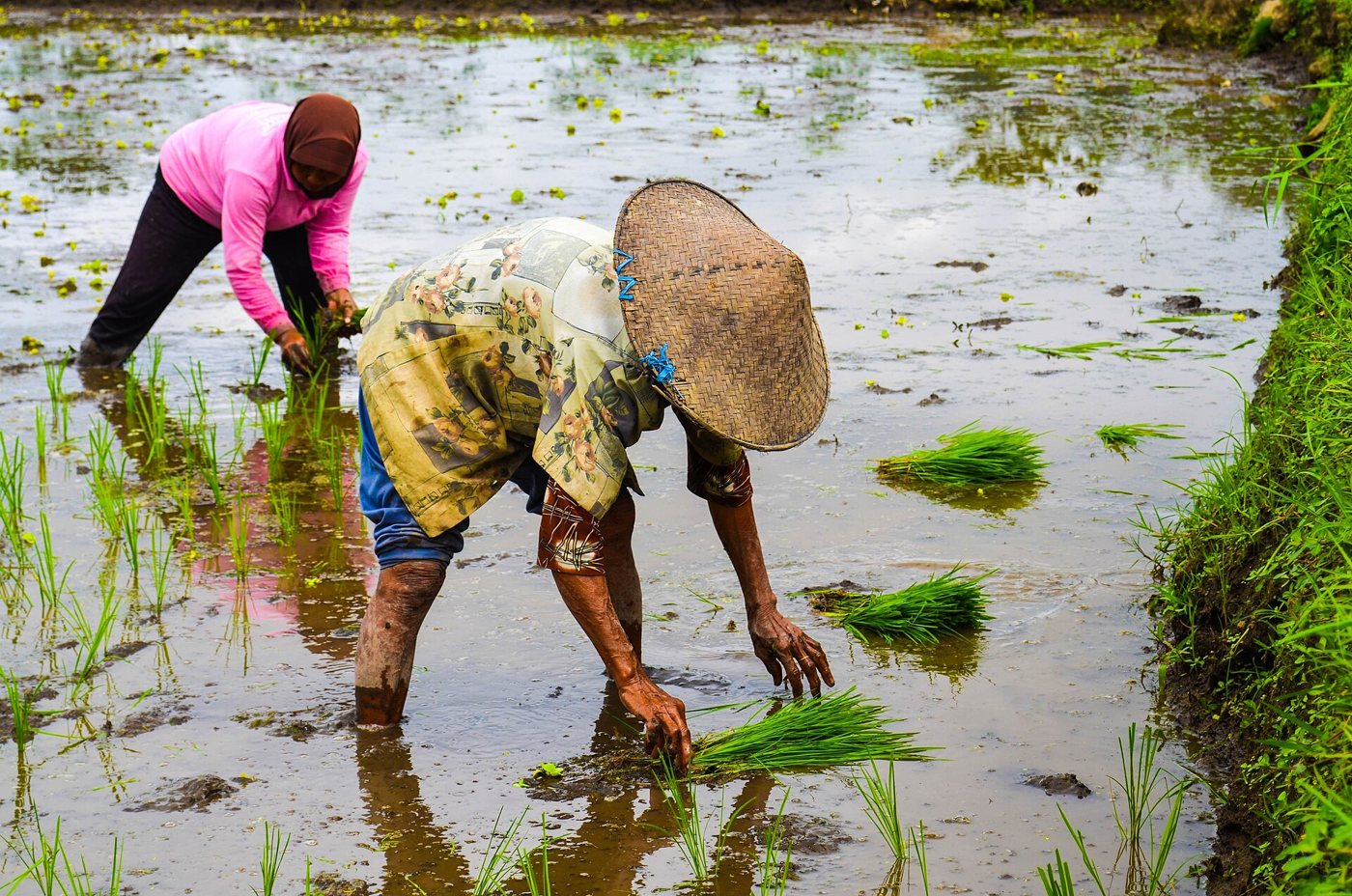 Rusty-water paddies: ferrous iron poisoningSeedlings yellow and stiff, roots coated rust, an oil film on the water. Drain and air, don’t chase N.Acid soil