
Field guide
Something looks wrong in the field? Match it here — acid soil, salt, iron lock, waterlog. Lab-sheet words live under Reading the soil test.
Can’t read the lab sheet? Open Reading the soil testProblem
100 guides
One guide can sit in more than one group, so the chip counts add up to more than 100.
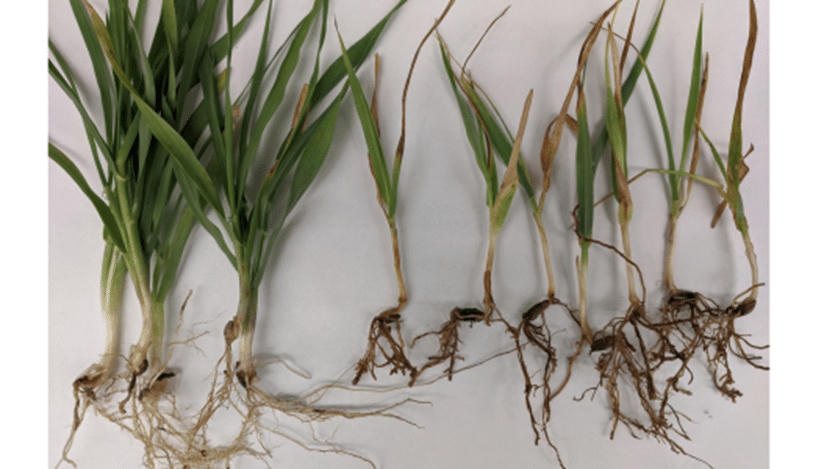 Acid soil: seedlings stall, root tips go brownStunted seedlings: check the root tips, then pH. On grain land, consider lime only below about 5.5.Acid soil
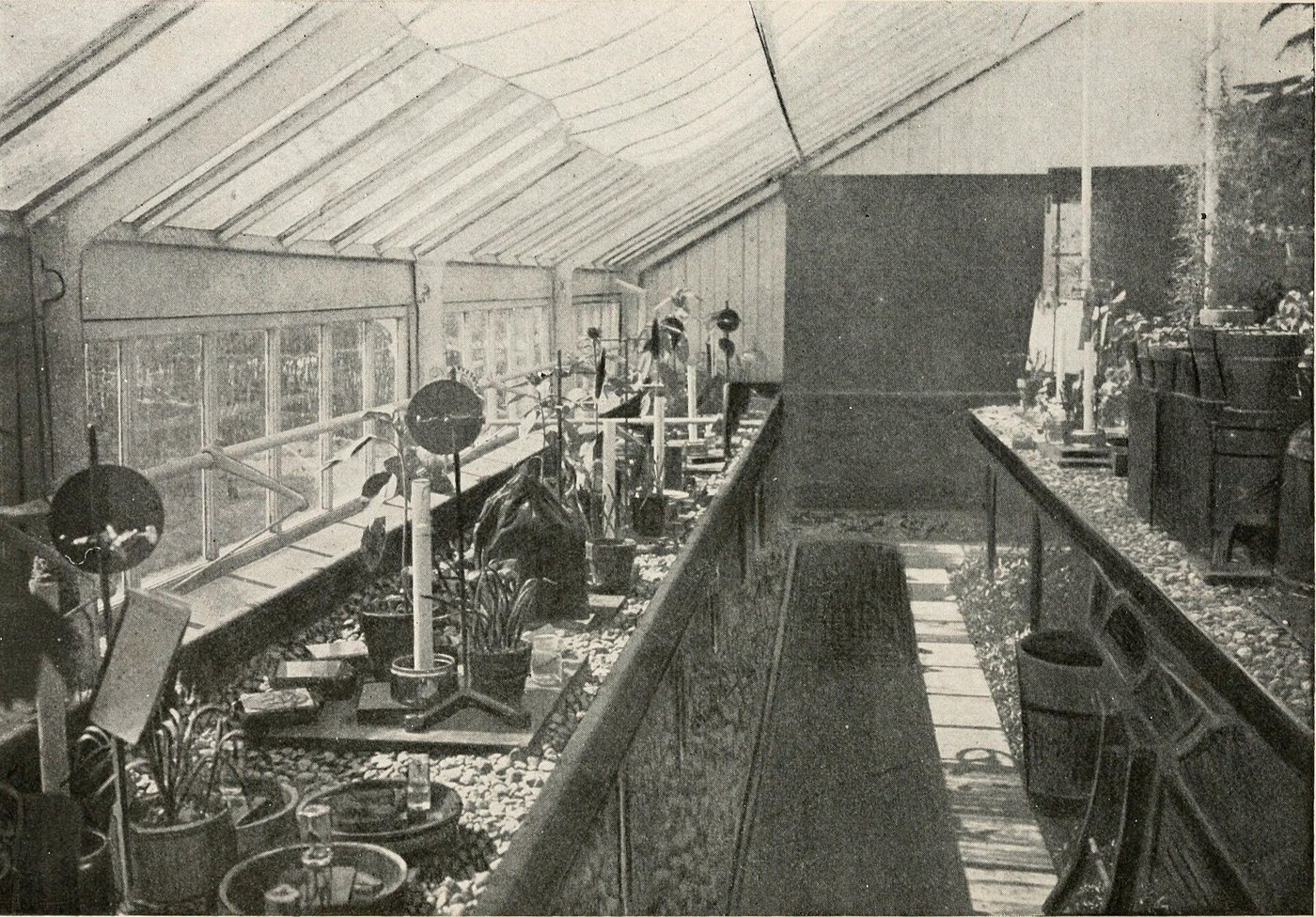 Reading a soil-test sheetThe sheet is a measurement, not a prescription. Circle pH, organic matter and salt first.Other
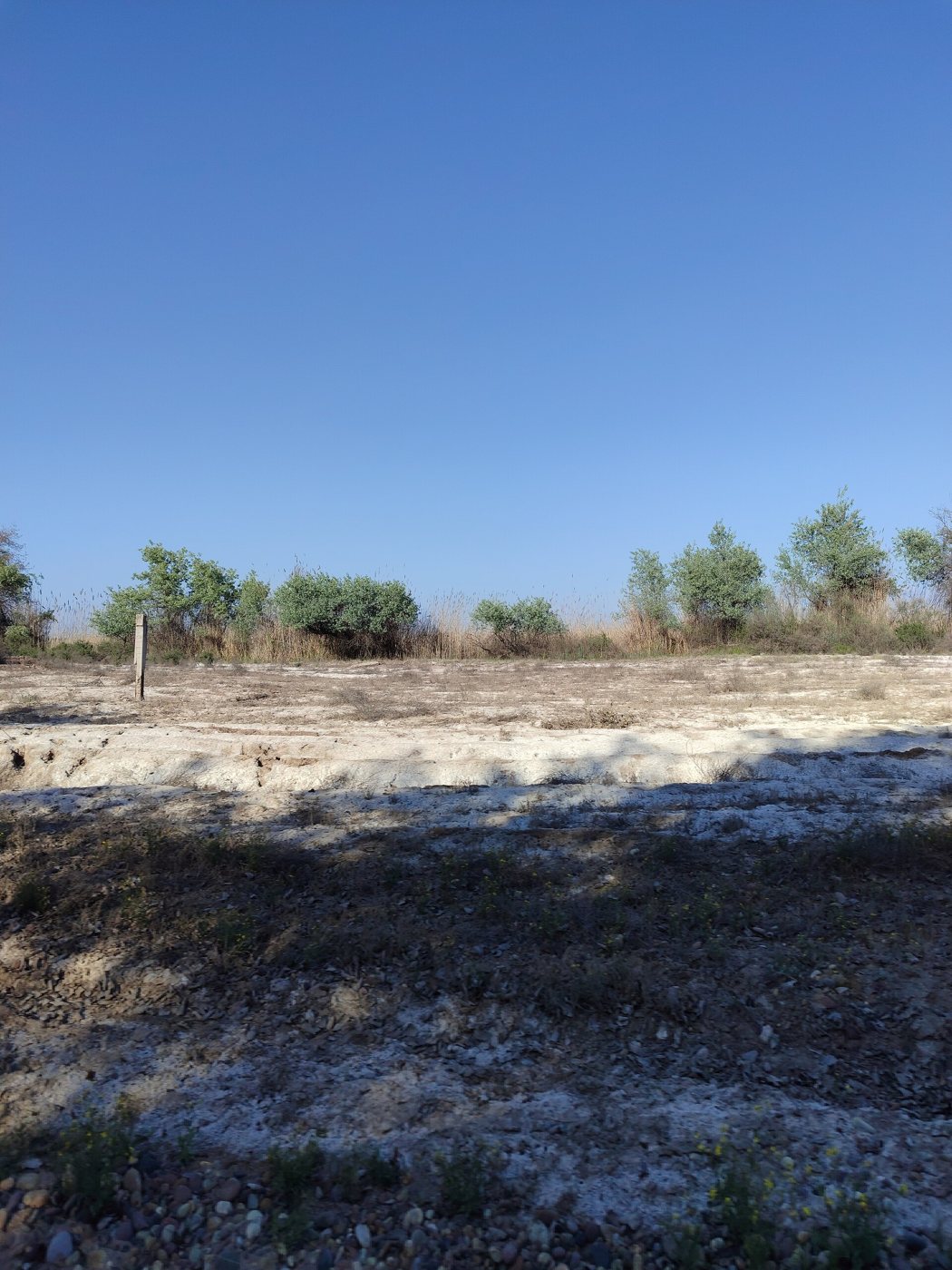 Saline soil: white crust and scorched marginsSplit salt from alkali. Salt is EC; alkali is pH and sodium.Salty-alkali land
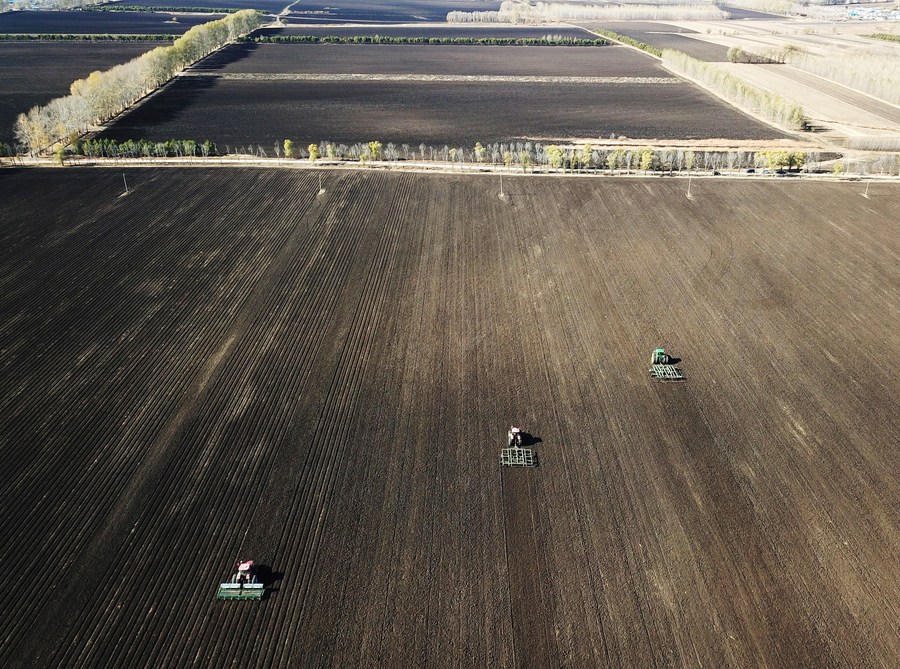 Black soil getting thin and hardColour fades, clods increase, organic matter drops. Return straw, cut the years of only taking.Thin organic matter
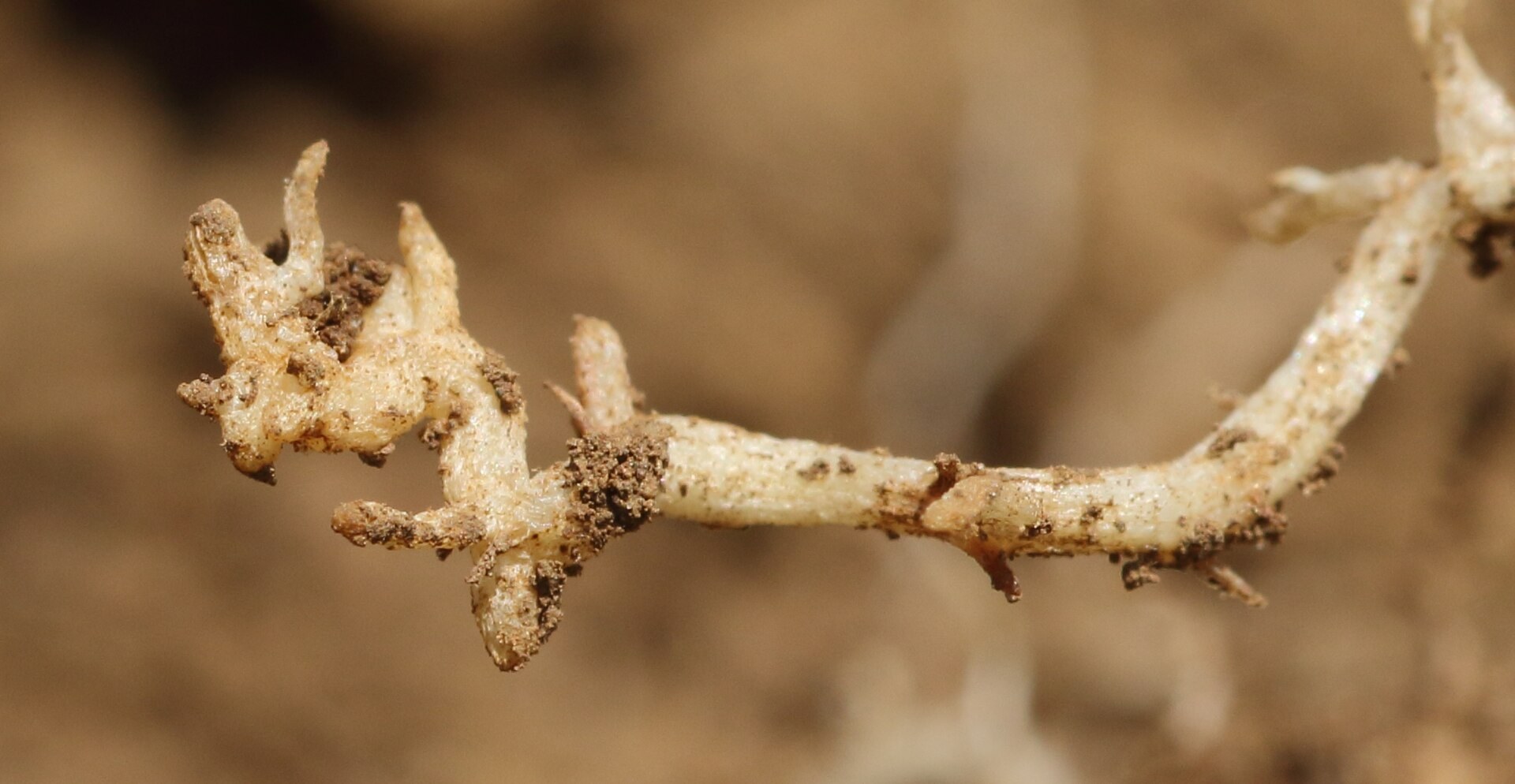 Nutrients fighting each other: phosphorus vs zinc, potassium vs magnesiumA high-P dressing hides zinc. Heavy K hides magnesium. Read the sheet, don’t stack the same salt.Nutrient shortage
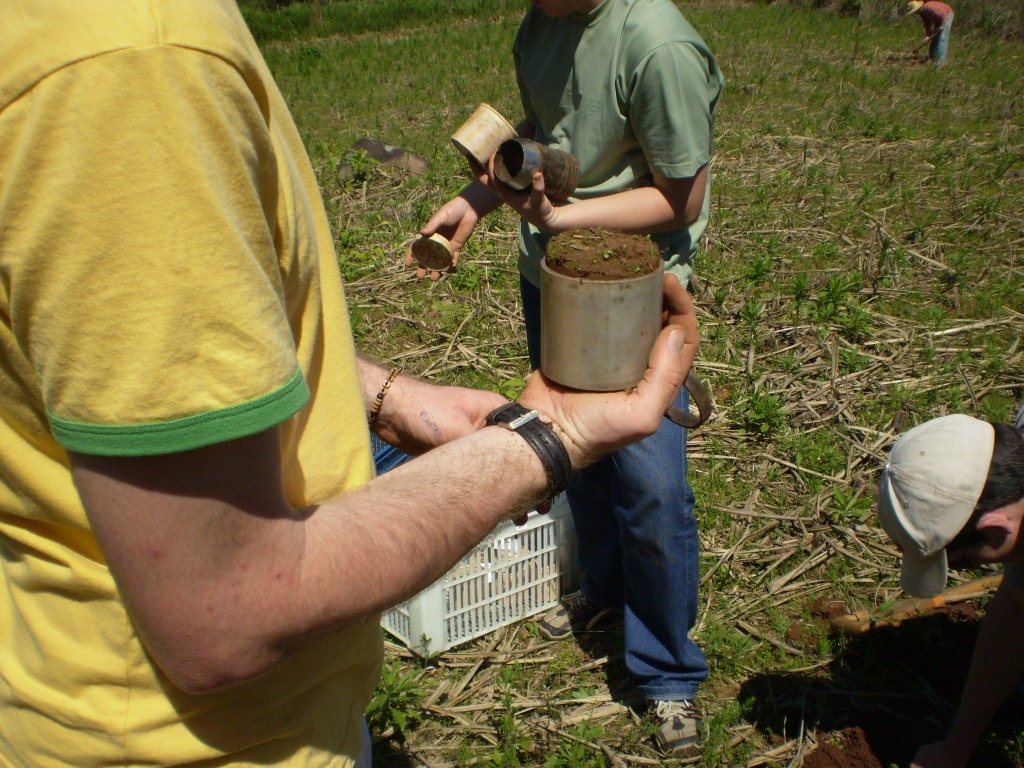 Wheel tracks: seedlings don’t come up in the rutRuts hold water and starve air. Stay off wet ground, use the same tracks.Hard-packed soil
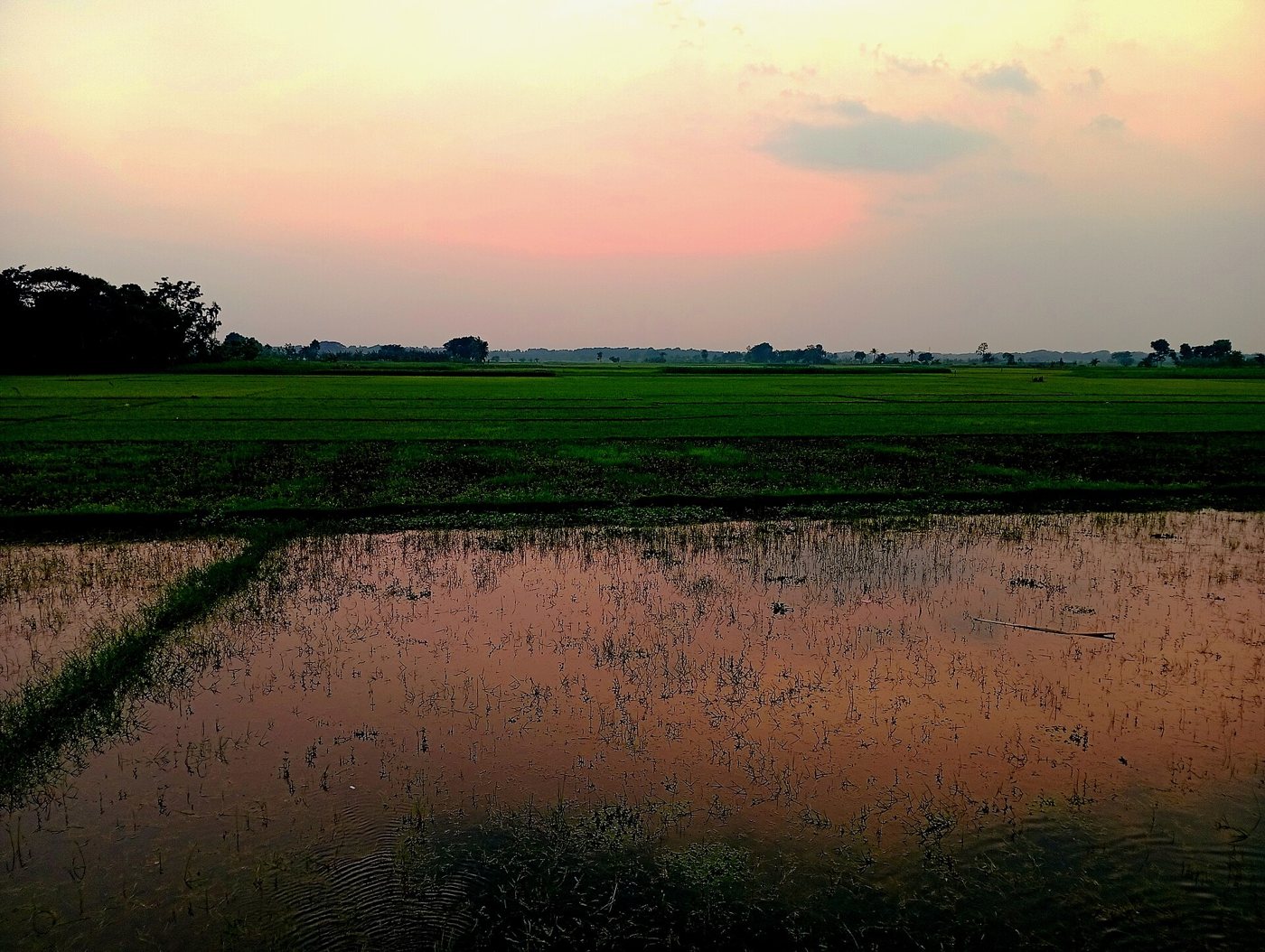 Cold water on seedlings: a stalled paddy is not always hungryShallow, warmer water, then add fertiliser.Waterlogging
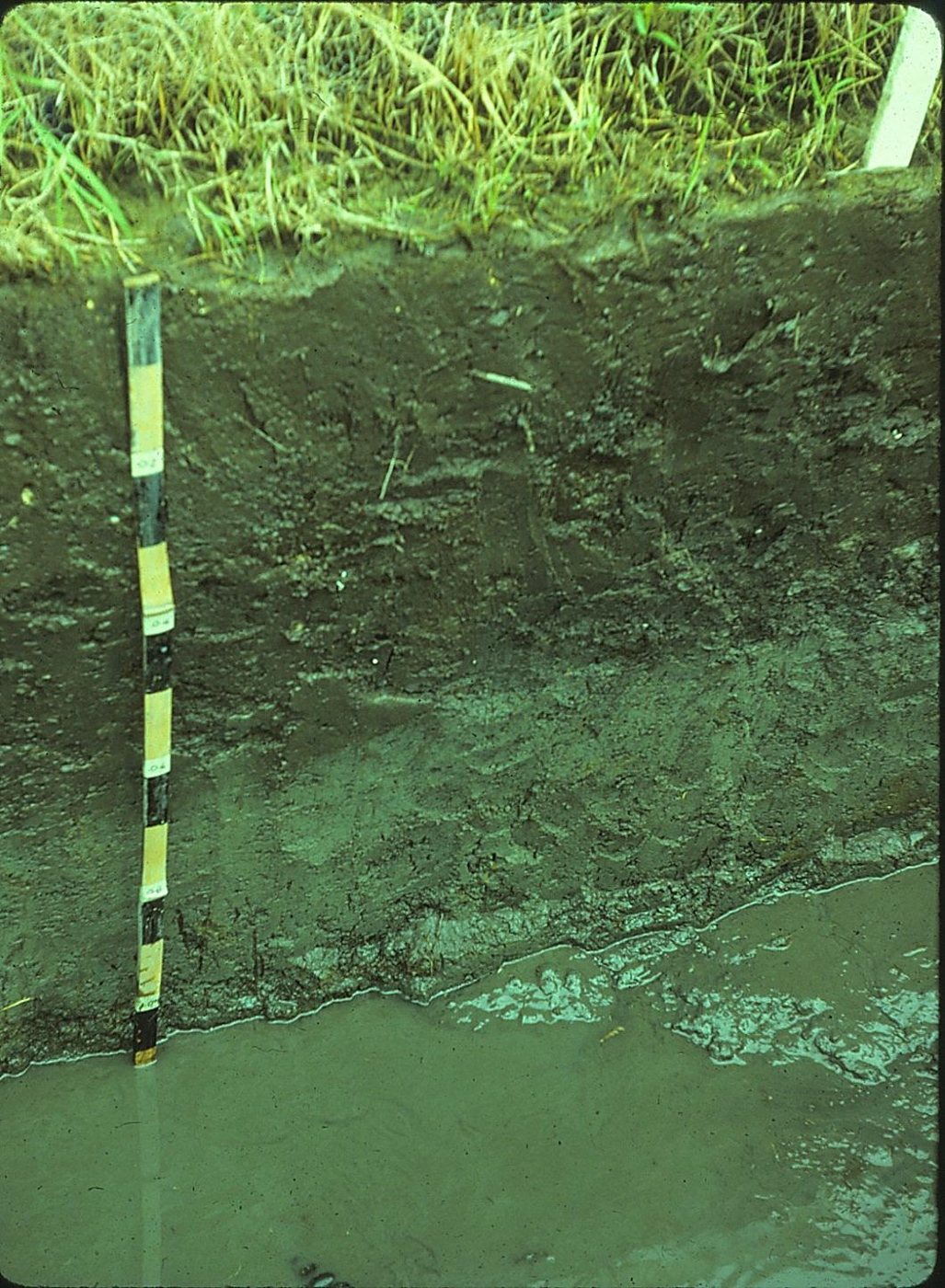 Cold waterlogged fields, gleying: soil is cold, roots don’t growSoil stays cold and grey-blue, roots few. Raise the bed, drain, wait for warmth.Waterlogging
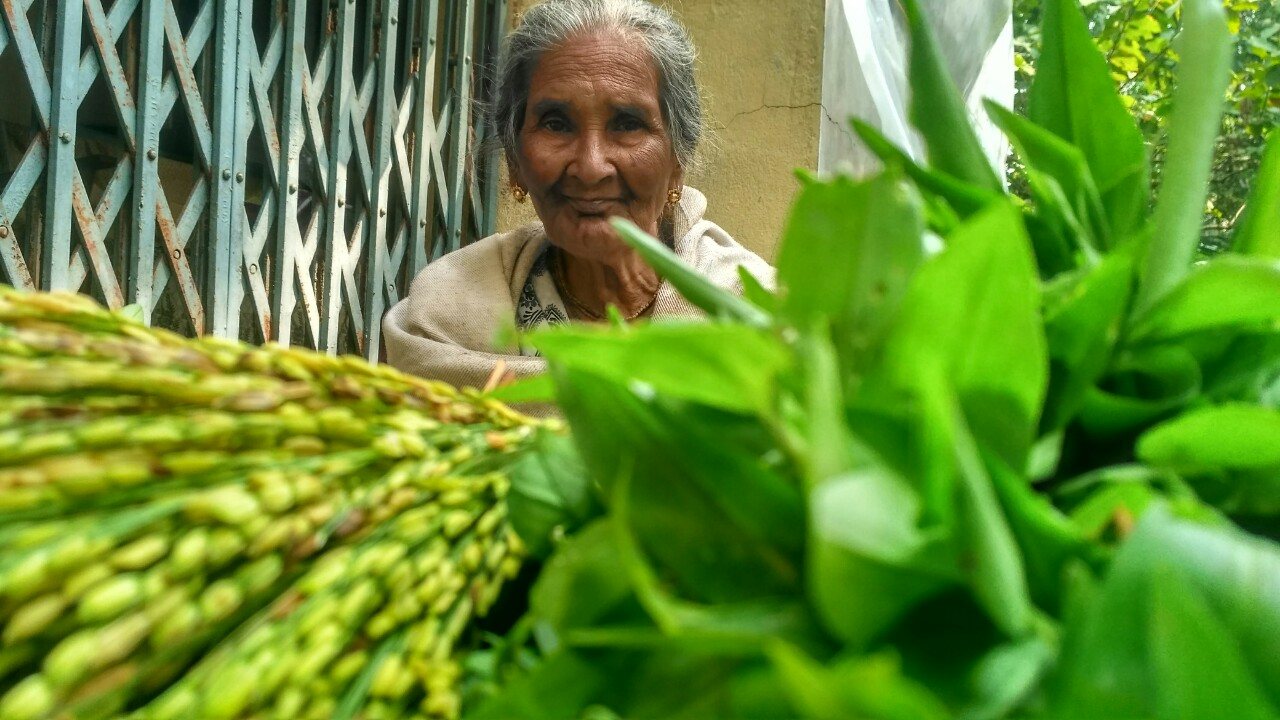 Southern paddy nutrients: the reduced layer locks what you appliedMid-season drain, place fertiliser where a root with air can reach it.Other
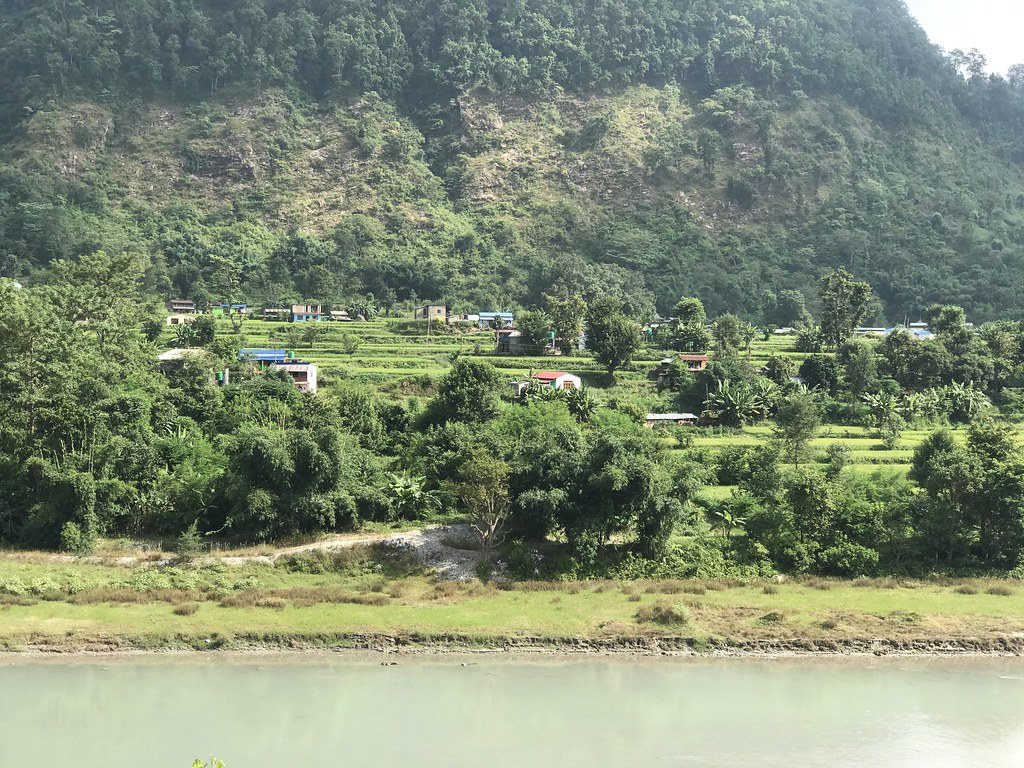 Leafy-veg micronutrients: a foliar spray is not a substitute for fixing the soilSpray can buy days. pH, water and organic matter decide whether it comes back.Nutrient shortage
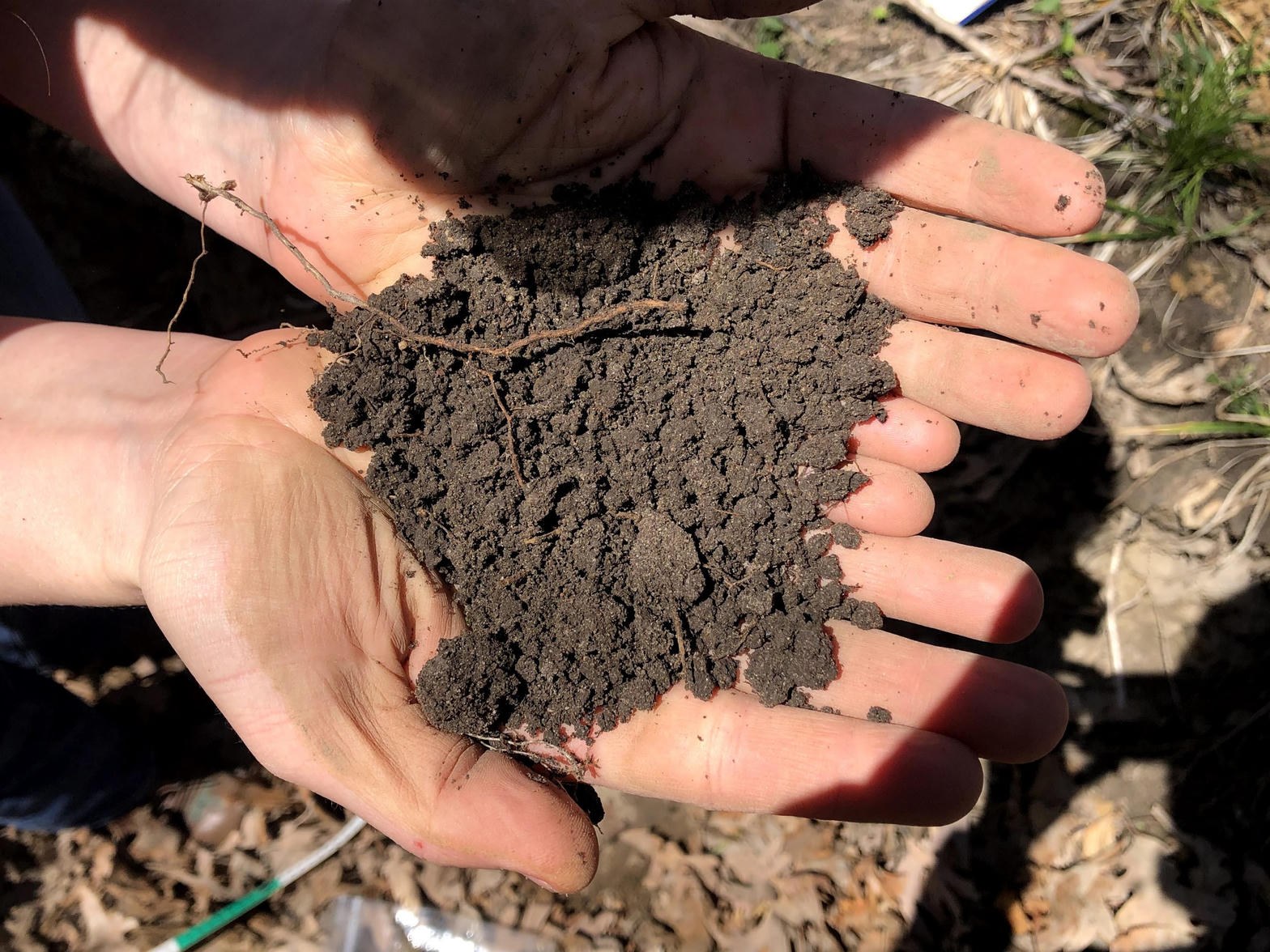 Aggregates smashed: the surface powders, then turns to slurry in rainDust when dry, soup when wet. Organic matter, roots and fewer passes.Hard-packed soil
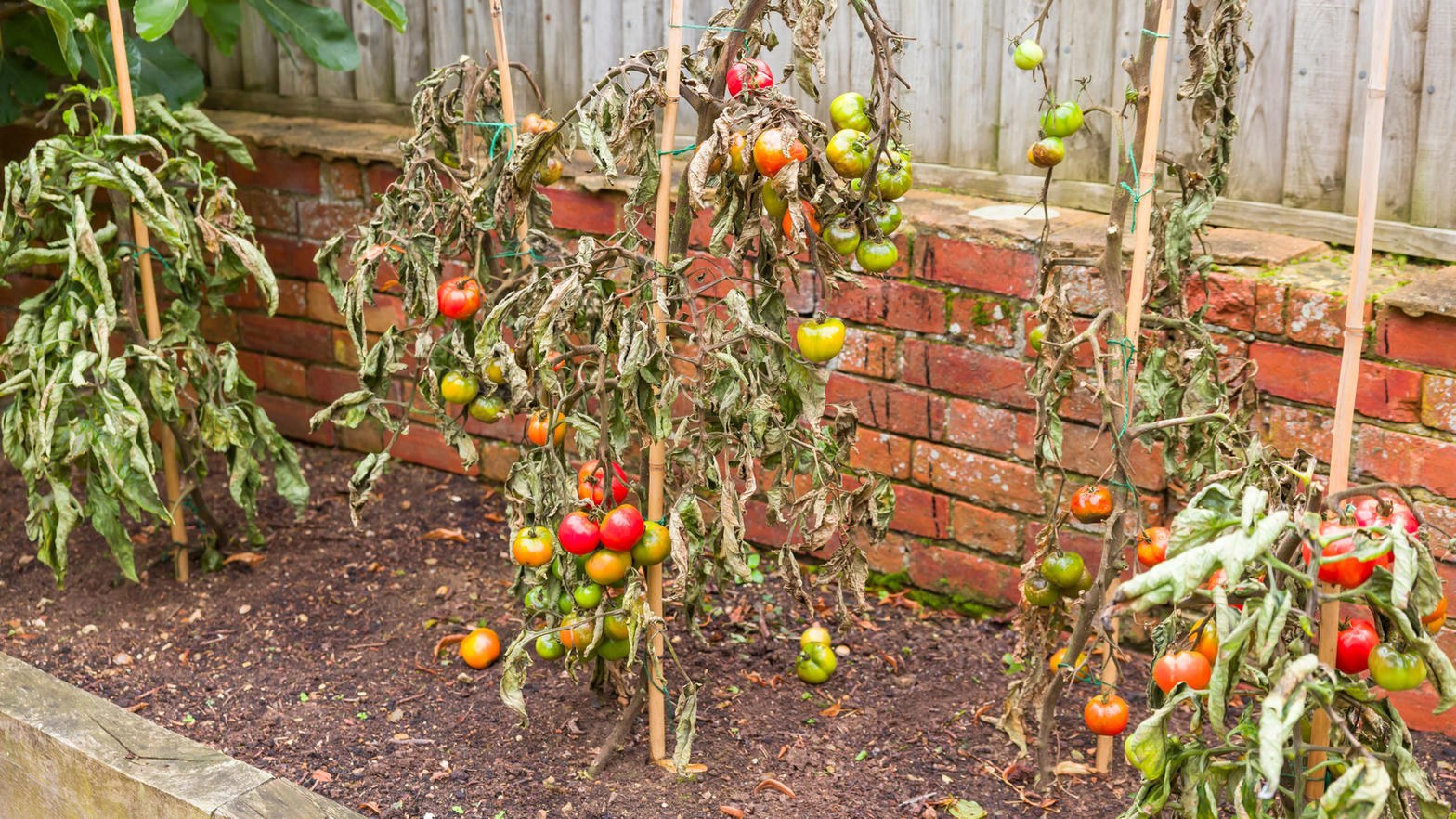 Soil-borne wilt: look at the vascular brown before you fertiliseOne plant wilts in the heat, recovers a little at night, neighbours still green. Cut the stem.Same crop again
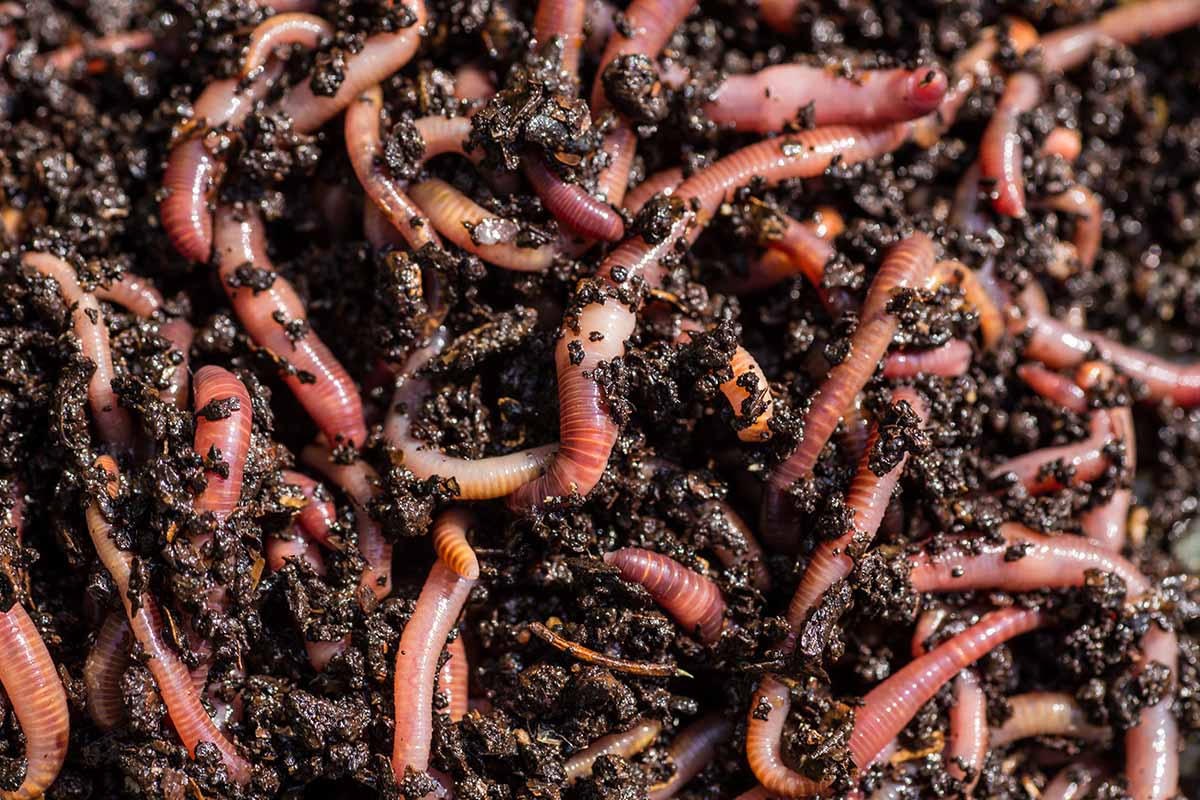 The soil isn’t ‘alive’: microbes out of balanceSoil smells sour or dead, residues don’t rot, plants stall. Feed carbon and air before you buy a miracle bottle.Same crop again
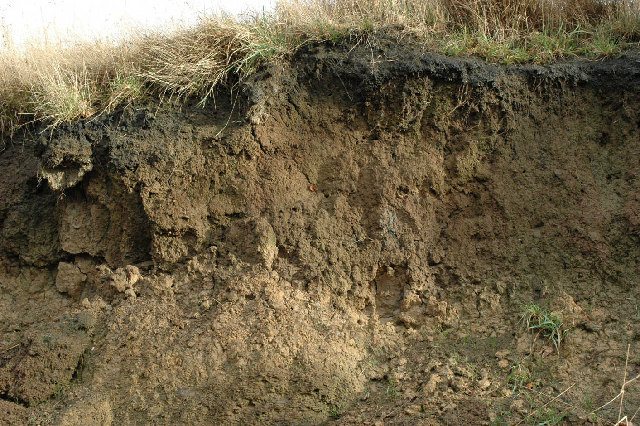 Hard soil: a shiny pan the roots will not crossAfter rain a slurry, when dry a cap. Look at twenty centimetres before you feed.Hard-packed soil
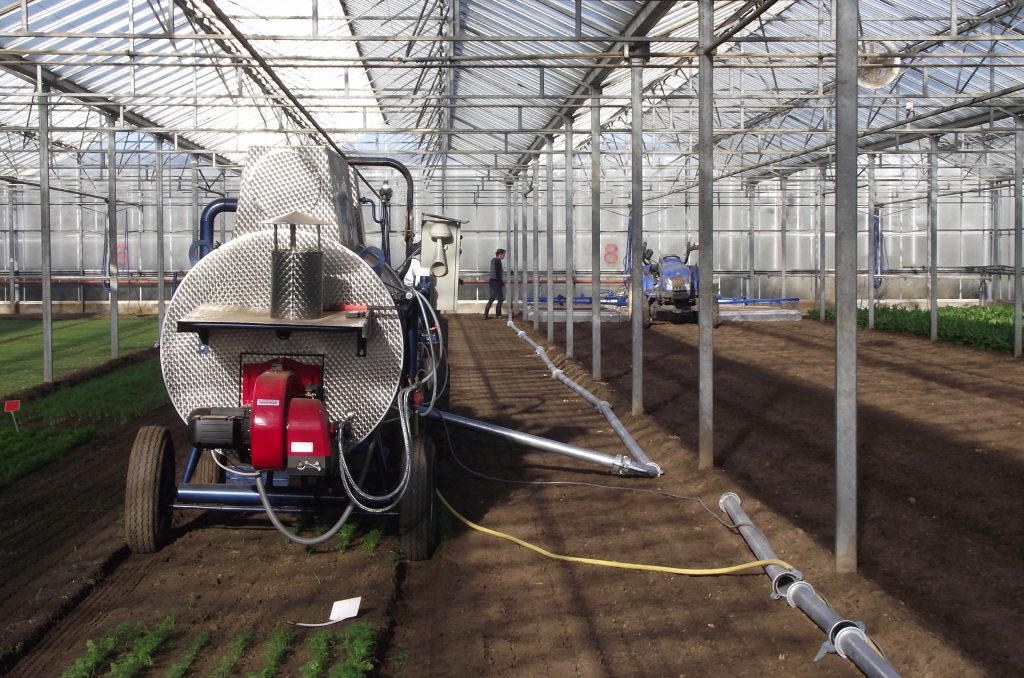 The boundary of soil disinfection: after you kill, you have to feedDisinfect, then organic matter and a rotation. Another dose next year is a treadmill.Other
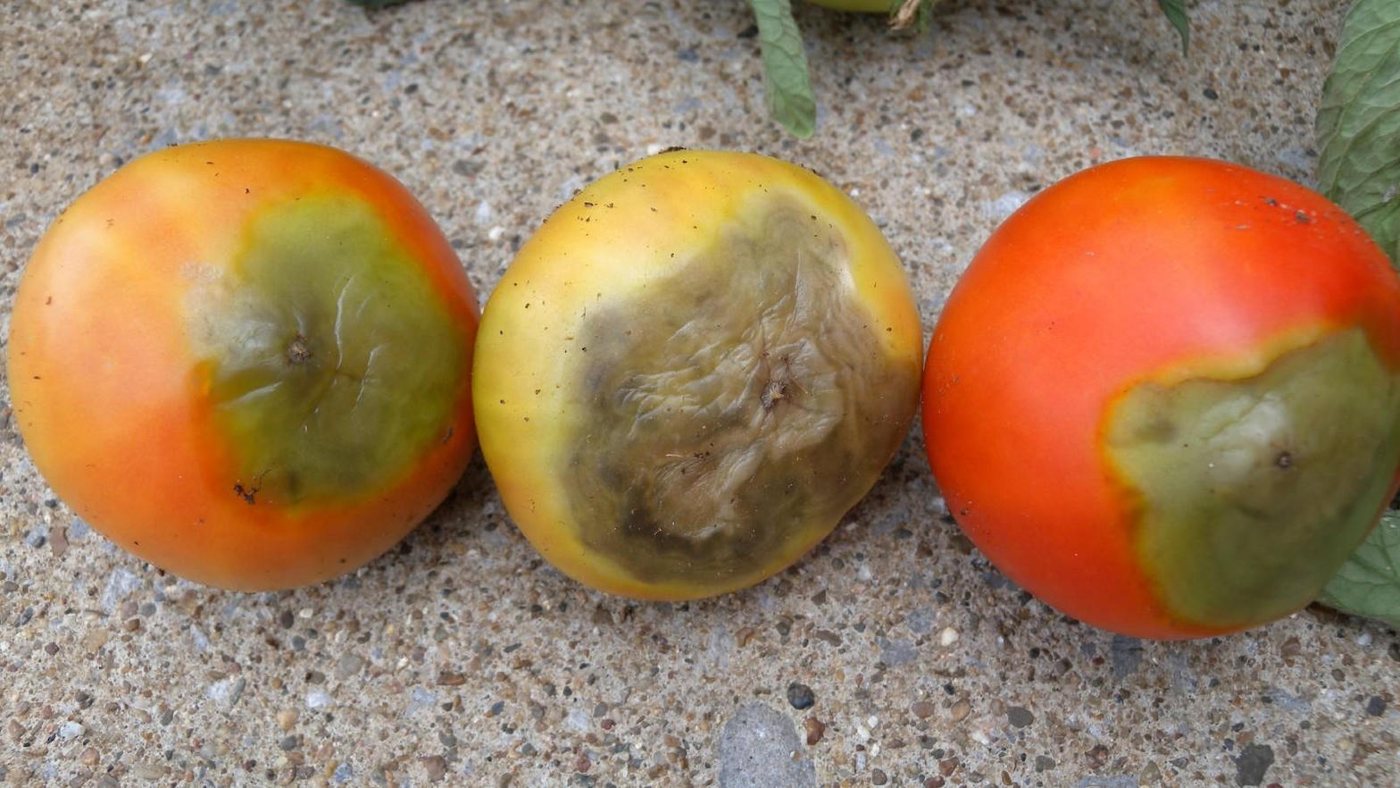 Acid soil and calcium shortage together: blossom-end rot is not only a foliar calcium jobAcid locks calcium and aluminium bites the tip. Test pH, then talk calcium.Acid soil
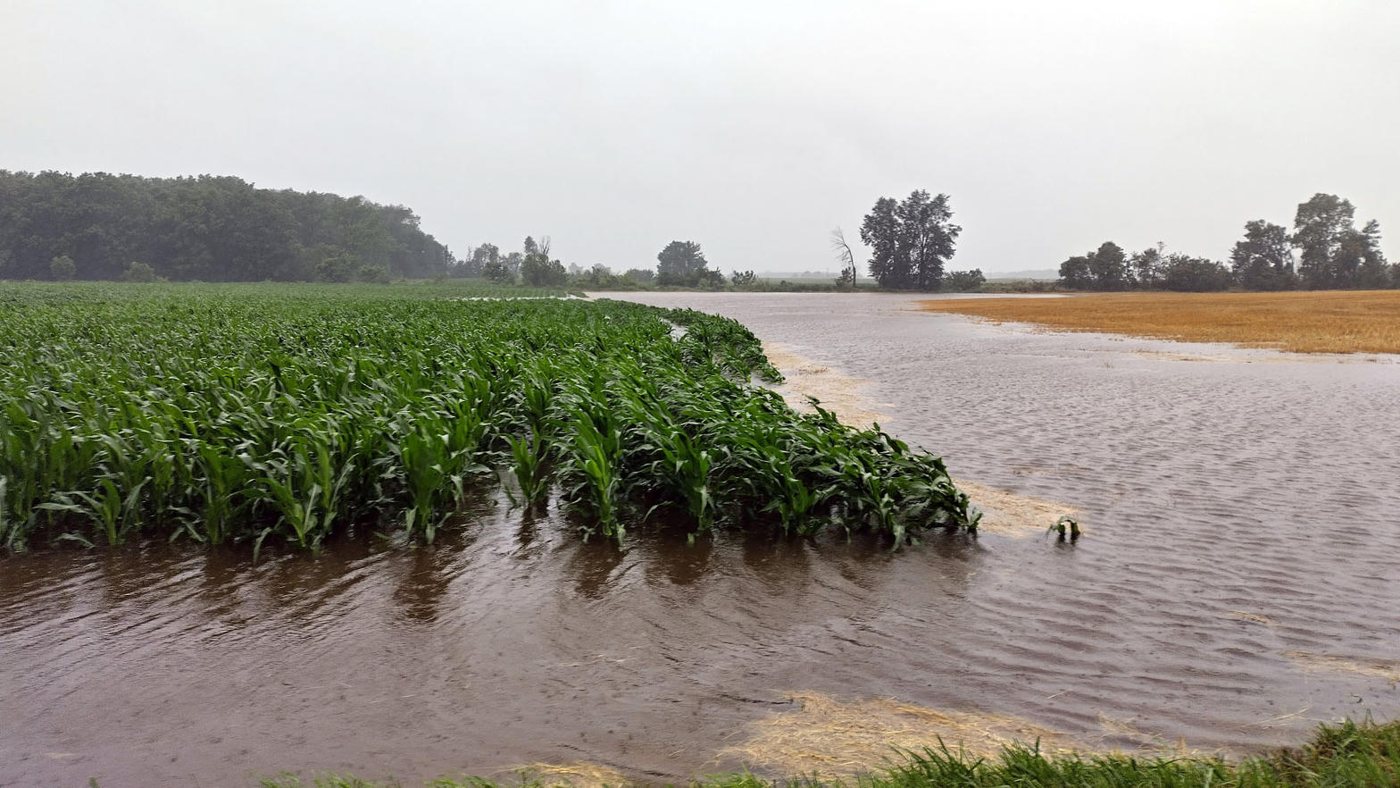 A high water table: the soil never dries, the root never goes deepRaise the bed, cut a drain that actually empties.Waterlogging
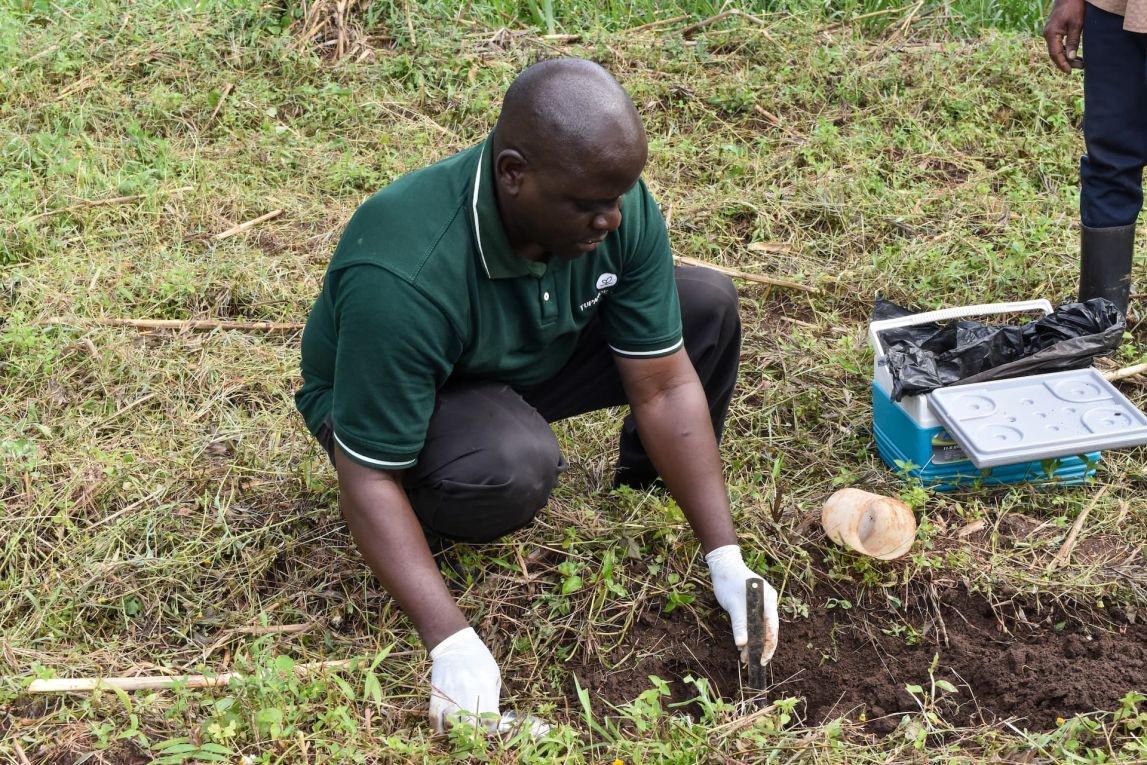 pH paper and a conductivity meter at the field edgeSame water ratio, same depth. Don’t compare your strip to the neighbour’s lab sheet as if they were one number.Other
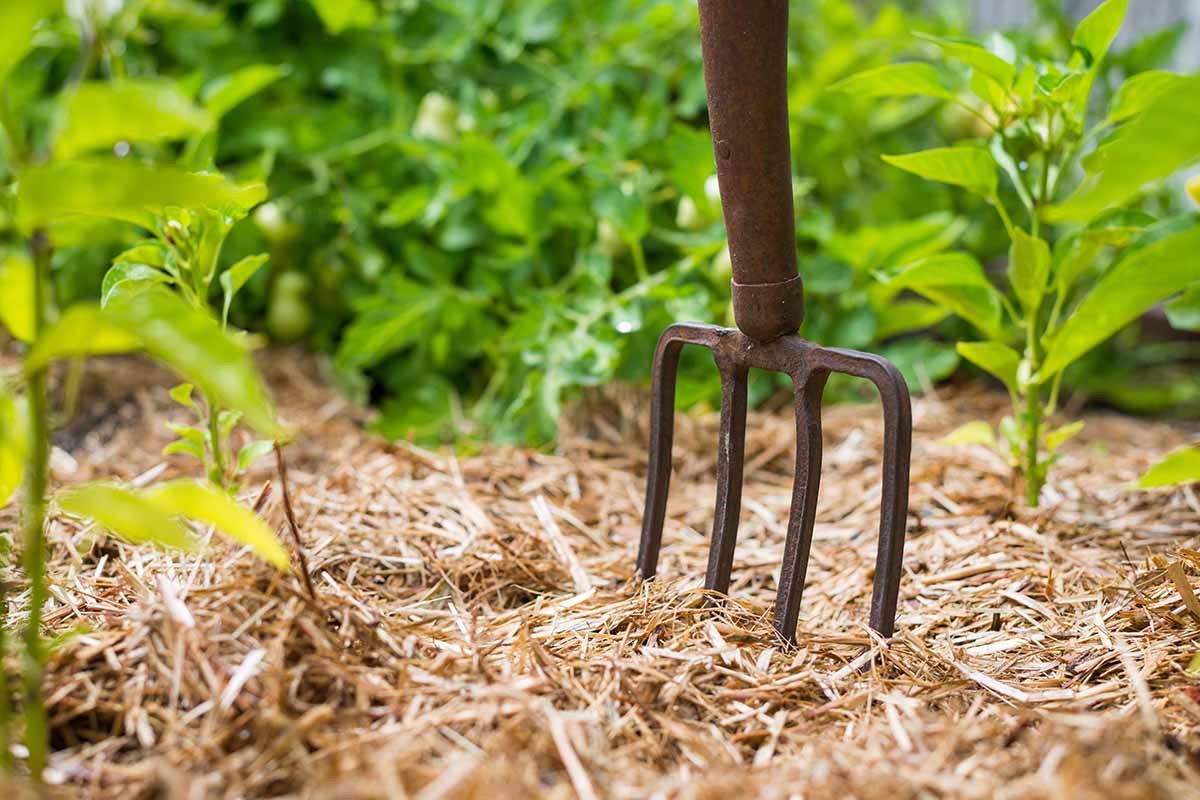 Can film or straw mulch loosen hard soilIt stops the cap forming. It does not replace a cracked pan underneath.Hard-packed soil
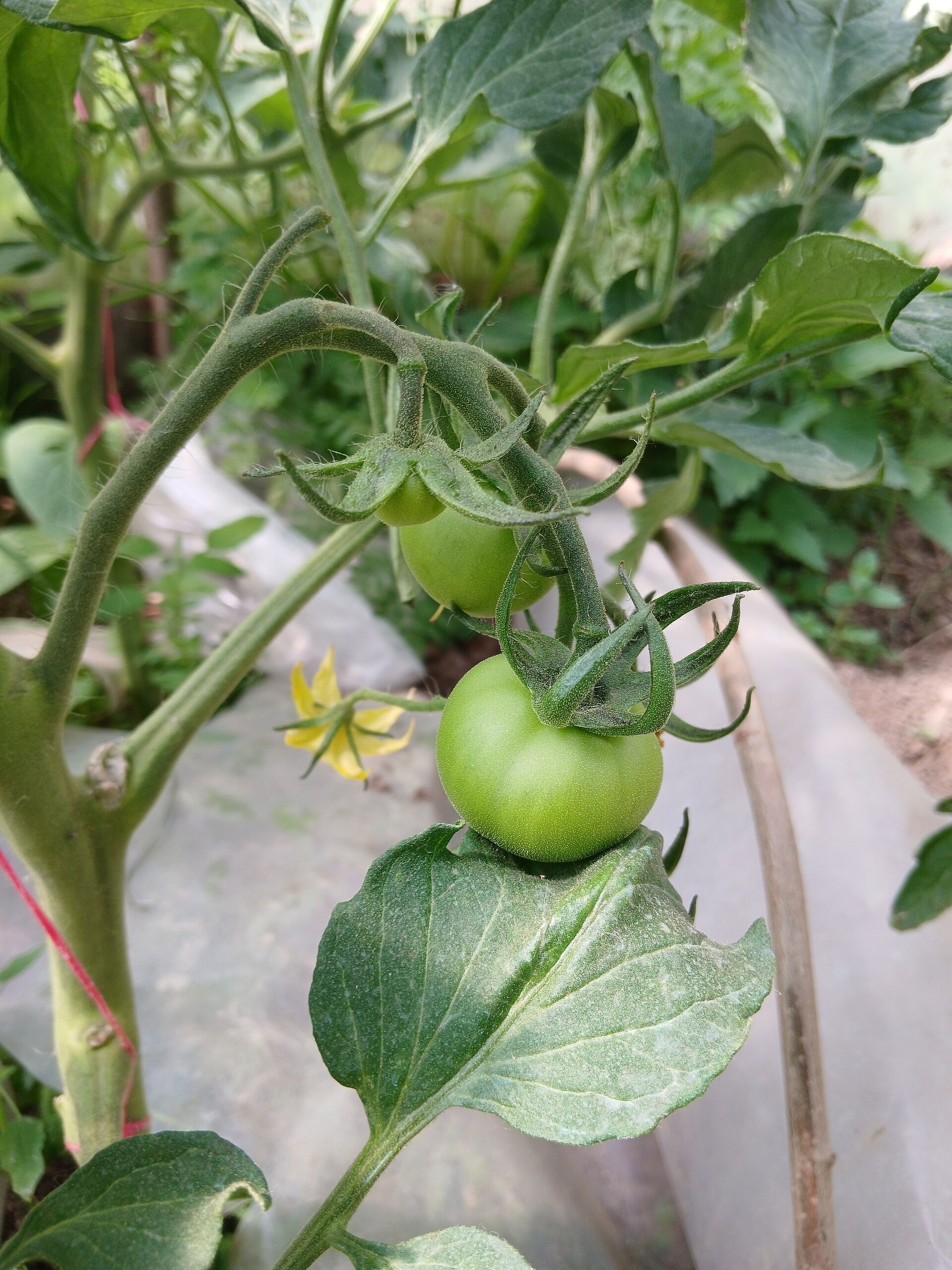 Salt rising at the mulch edge: white frost along the filmWhite at the hole and the edge. Don’t just punch more holes. Manage water under the sheet.Salty-alkali land