
Field guide
Something looks wrong in the field? Match it here — acid soil, salt, iron lock, waterlog. Lab-sheet words live under Reading the soil test.
Can’t read the lab sheet? Open Reading the soil testProblem
15 guides
One guide can sit in more than one group, so the chip counts add up to more than 100.
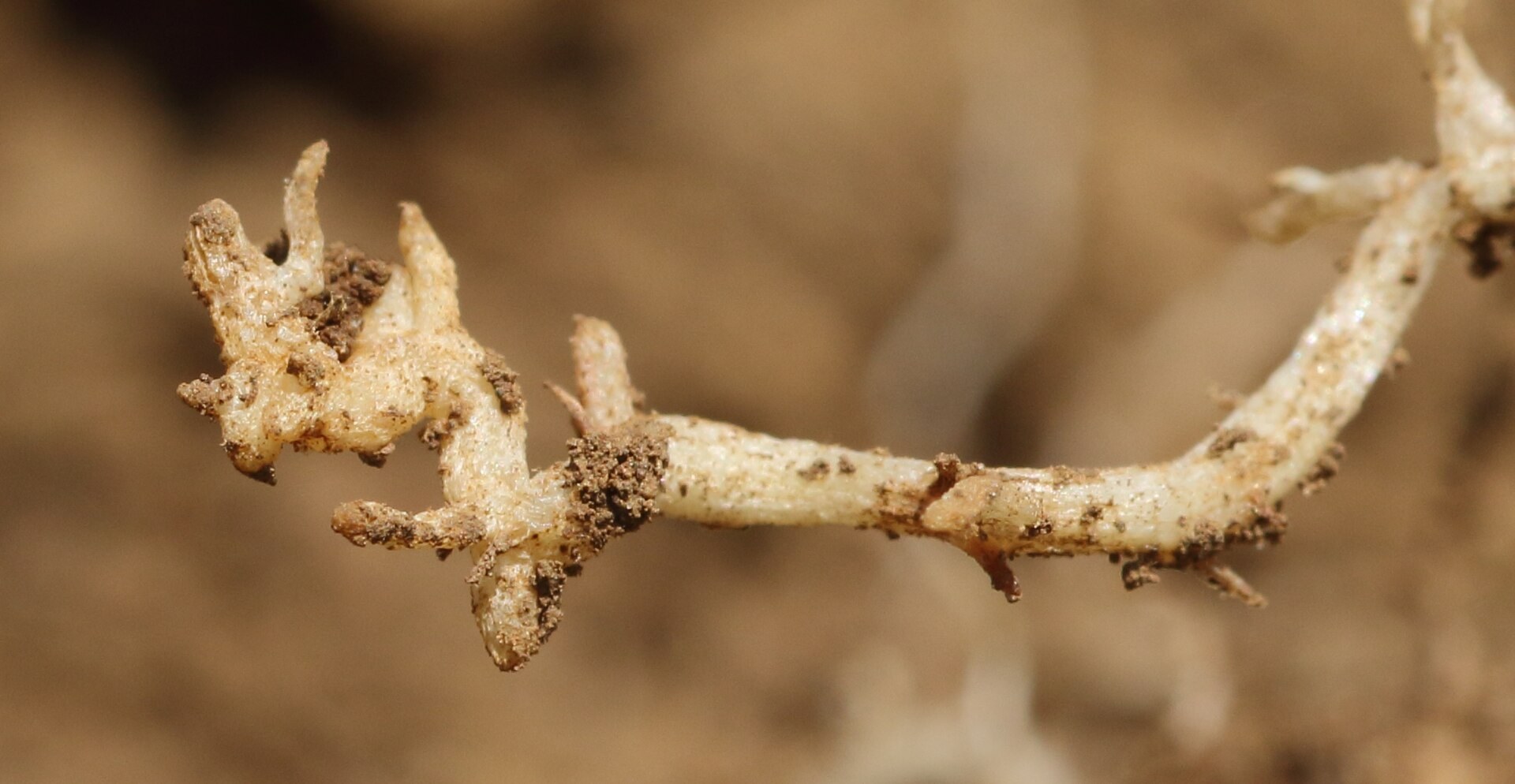 Nutrients fighting each other: phosphorus vs zinc, potassium vs magnesiumA high-P dressing hides zinc. Heavy K hides magnesium. Read the sheet, don’t stack the same salt.Nutrient shortage
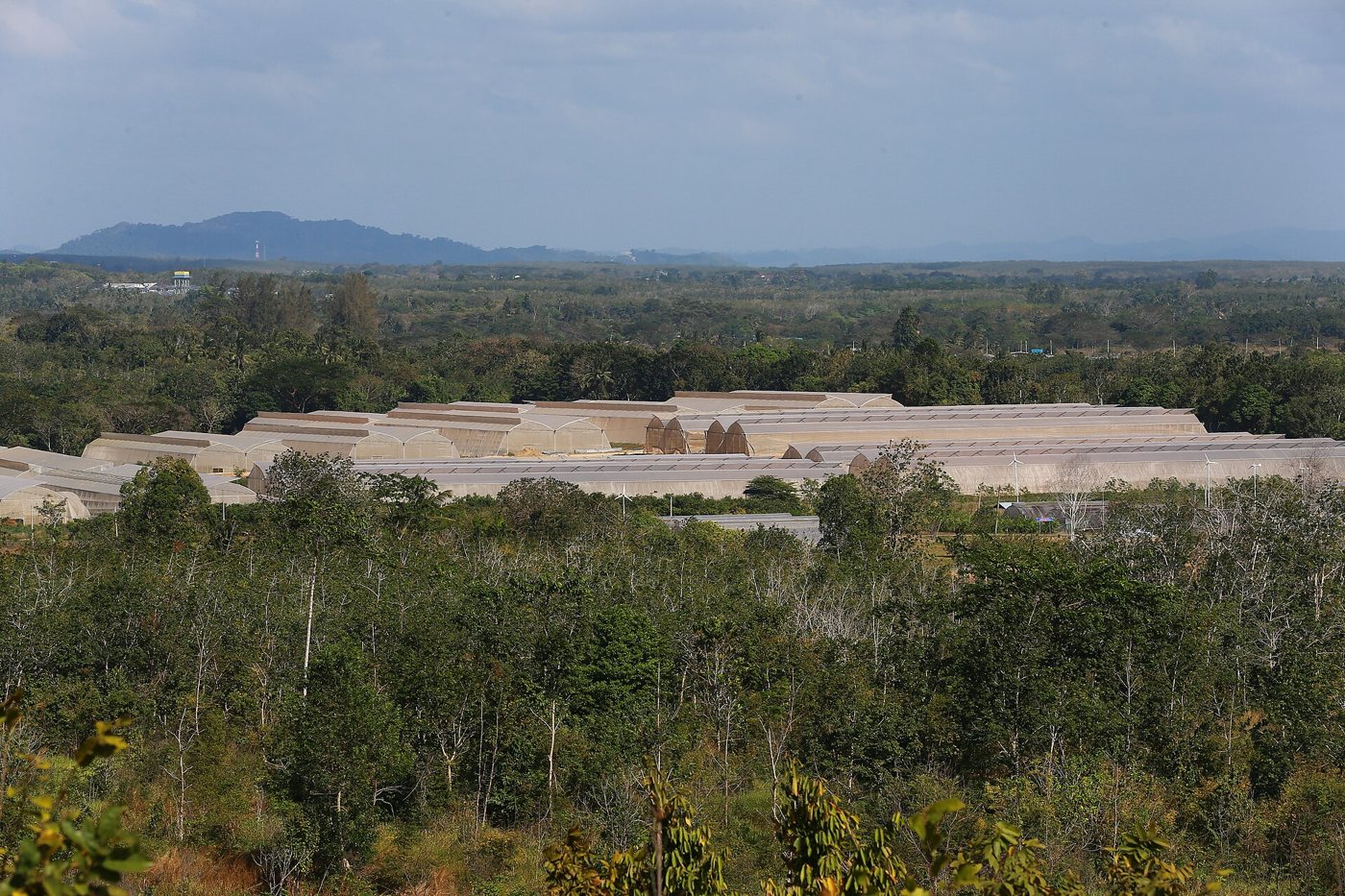 Greenhouse salt: white frost under the film, the bed gets saltierWhite crust at the drip line, leaf edges burn, yield drops. Flush only if you have a way out; don’t just change the soil.Salty-alkali land
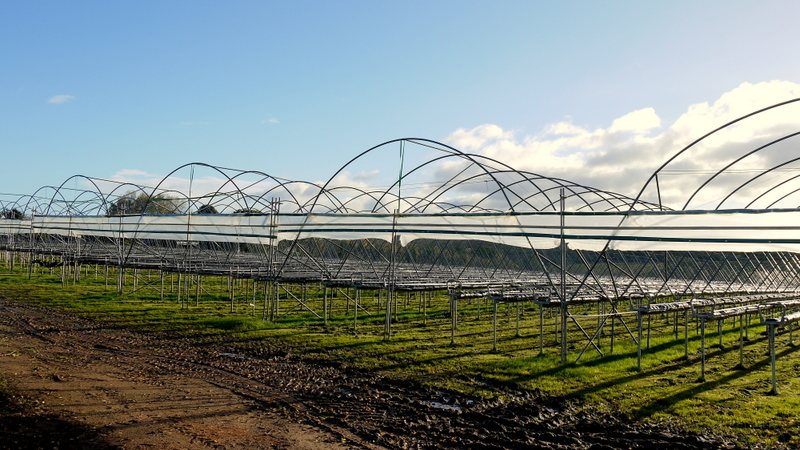 Greenhouse decline: salt, disease and burn arriving togetherWhite crust, wilt, burn after a rich year. Flush, rotate, rest the bed. Don’t only change the soil.Same crop again
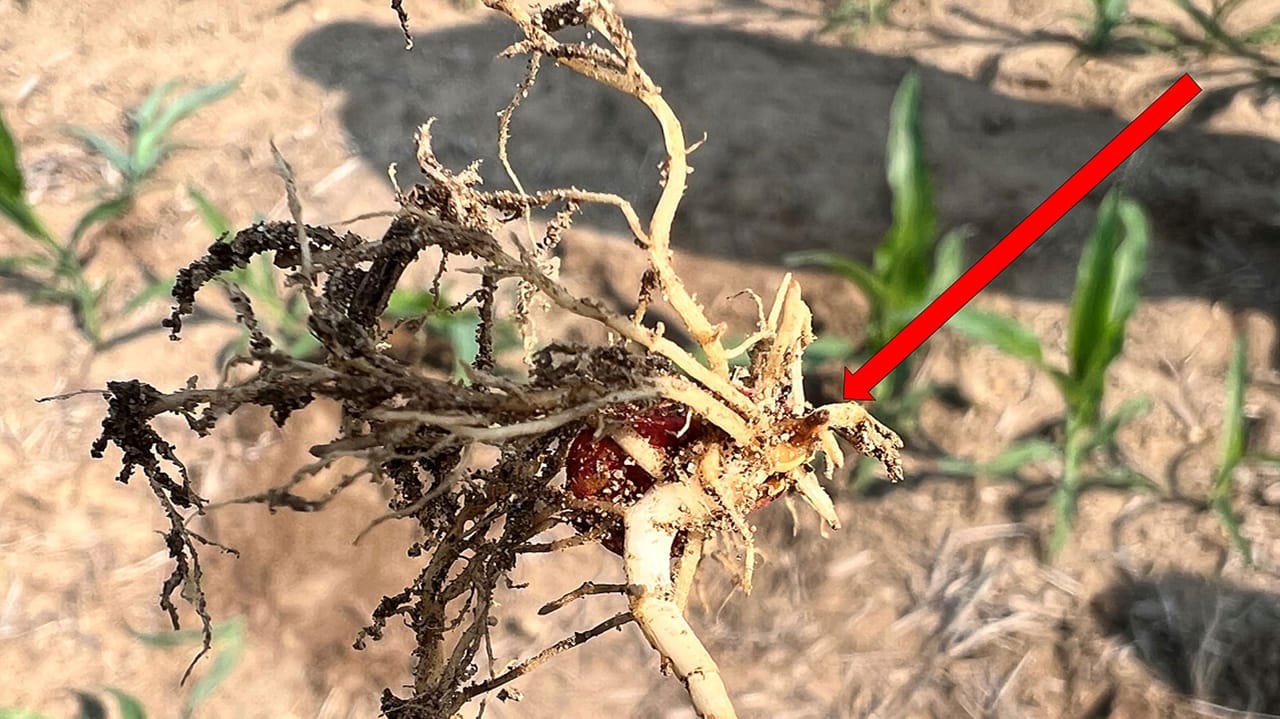 Fertiliser burn: a row of scorched seedlings along the bandMove the granules, dilute, wait for new roots. Do not add another bag.Fertiliser burn
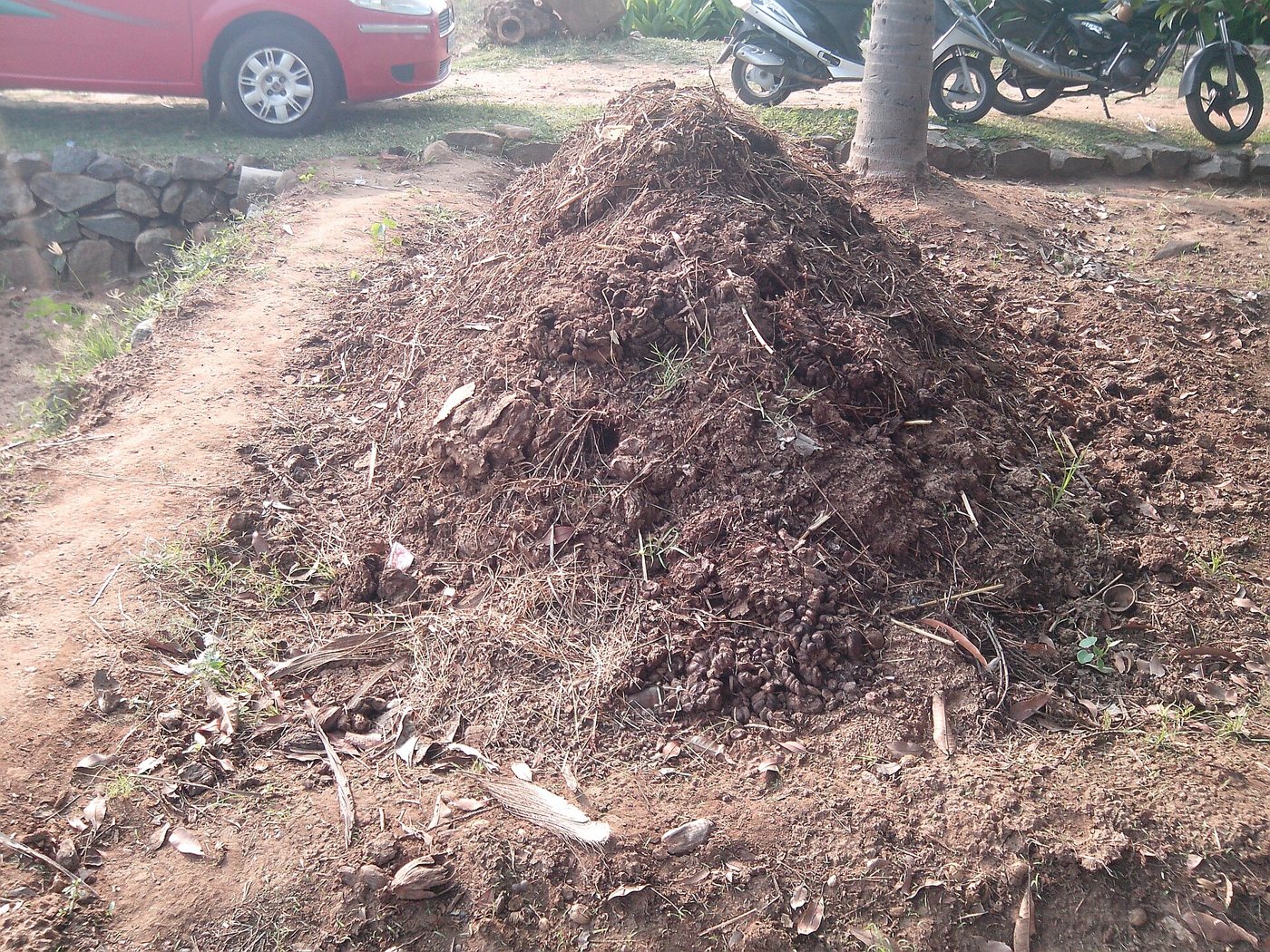 Choosing organic fertiliser: look at composting, salt and the C:N ratioSmell, heat, EC and a C:N you can live with. Raw, salty, high-N waste burns.Thin organic matter
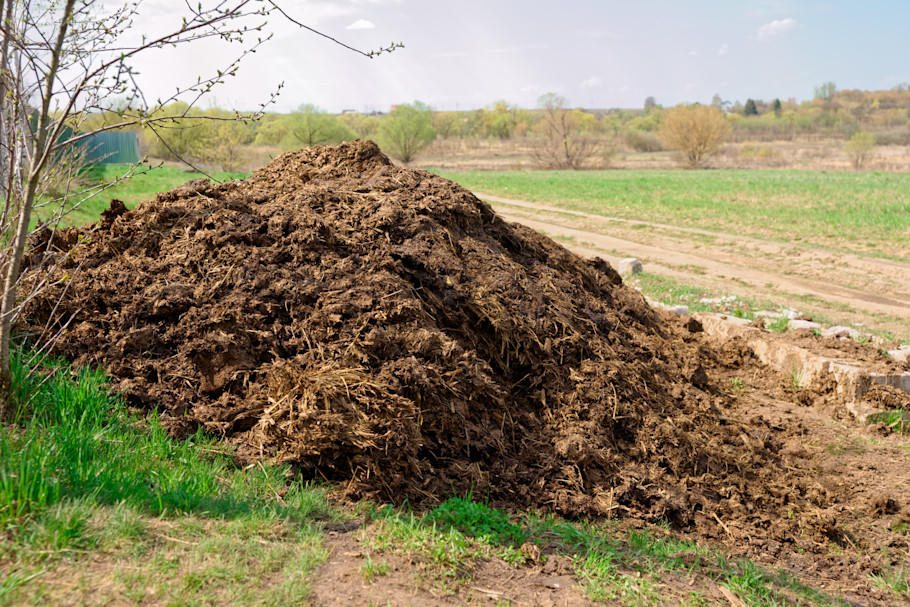 Raw manure: you thought it was treasure, it burned the seedlingsHot piles, white fungus, burned roots after a ‘organic’ dressing. Only fully rotted stuff goes next to a seedling.Fertiliser burn
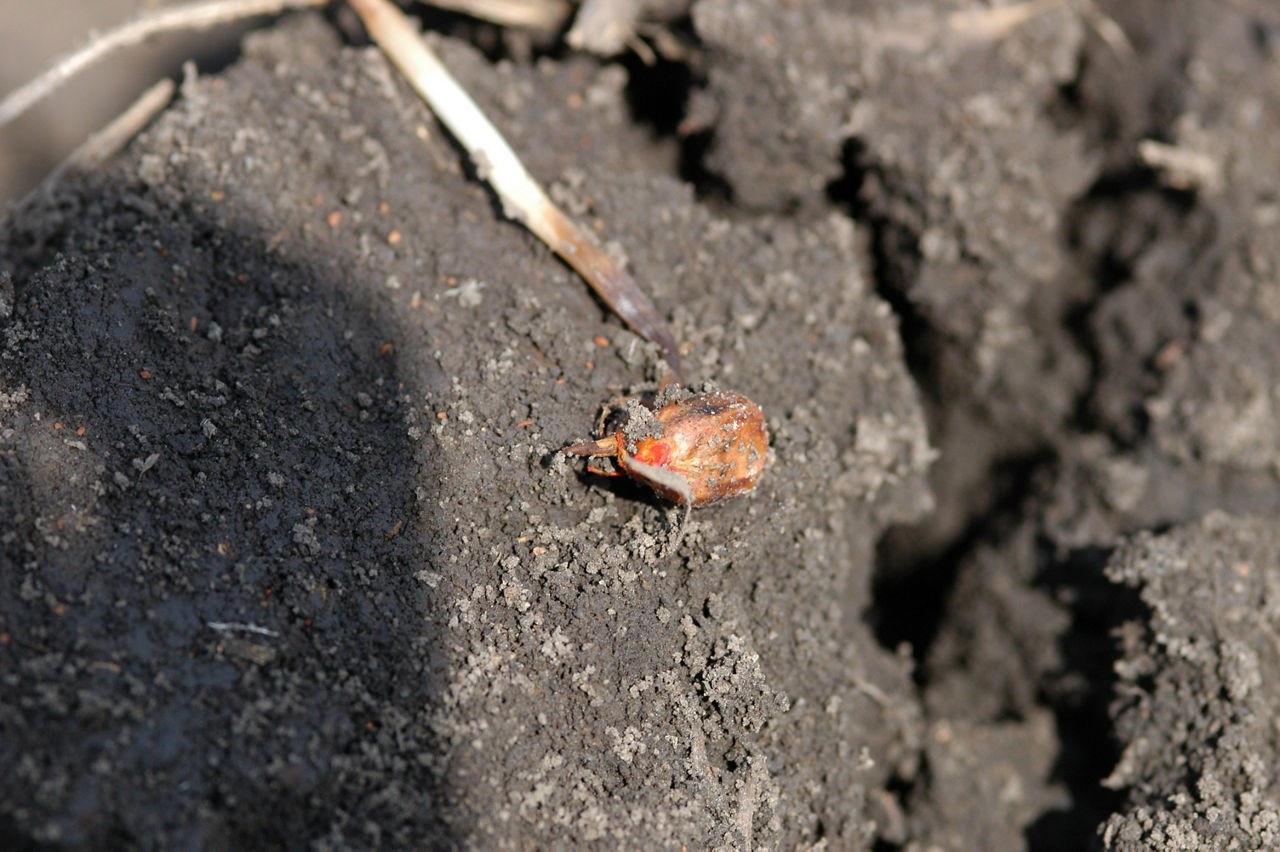 Ammonia burn: the dressing fumes the leaves the same dayLeaf tips bleach and smell of ammonia after a surface dressing. Water in, don’t cover with more N.Fertiliser burn
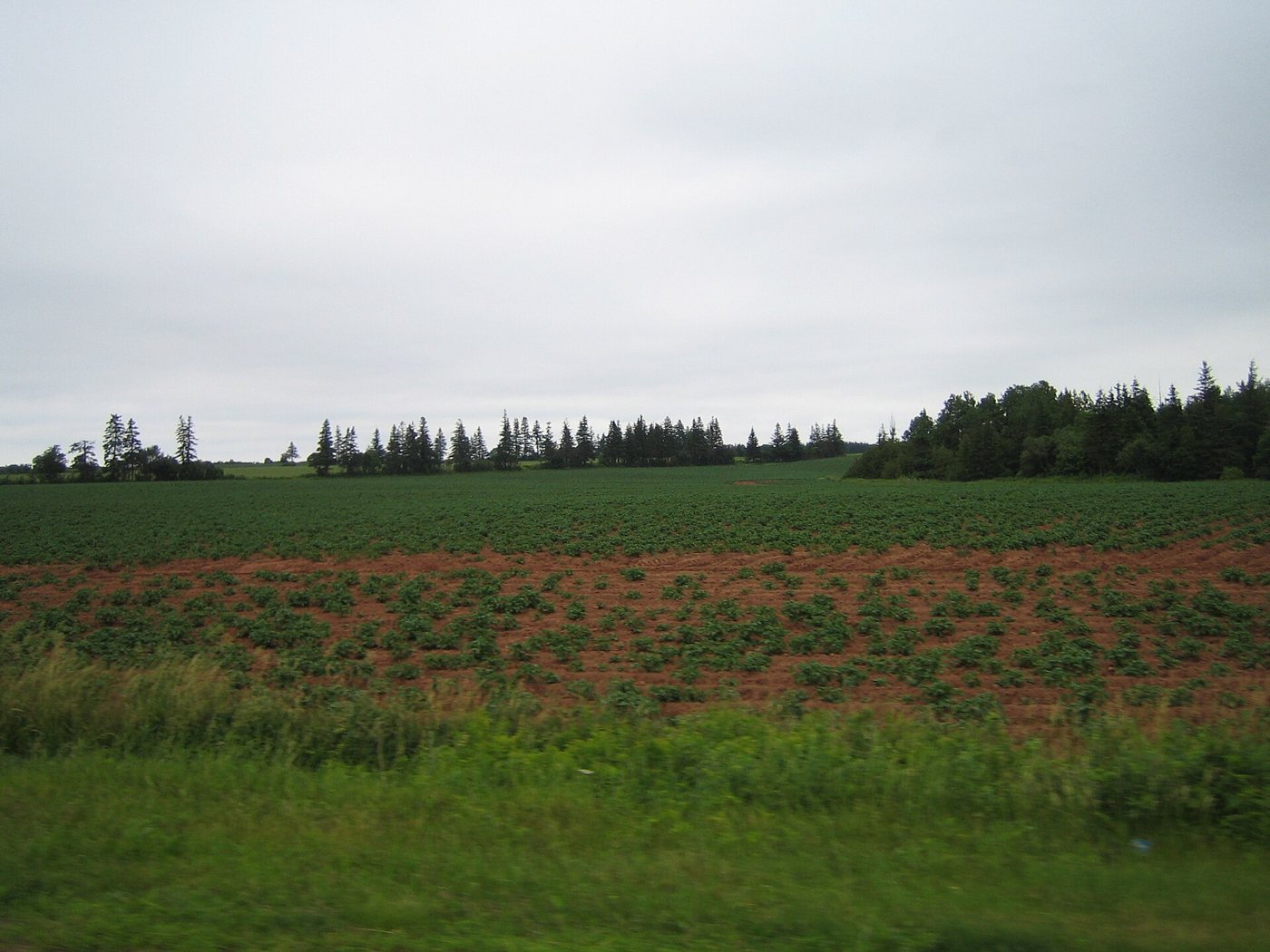 Chloride injury: a chloride-shy crop meets a chloride fertiliserLeaf margins burn on chloride-sensitive crops after KCl. Switch the potassium source, don’t just cut the rate blindly.Fertiliser burn
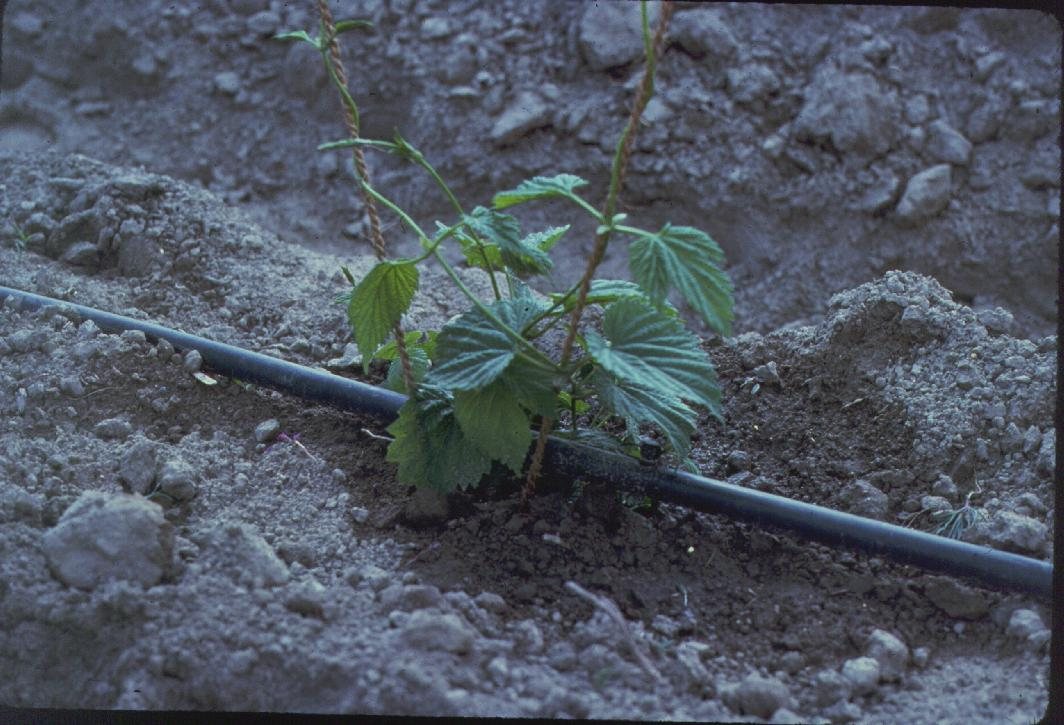 Fertigation: when EC is over the line you are pickling the rootRead EC, dilute, flush if you can drain. Don’t turn the tap stronger because the leaf is pale.Other
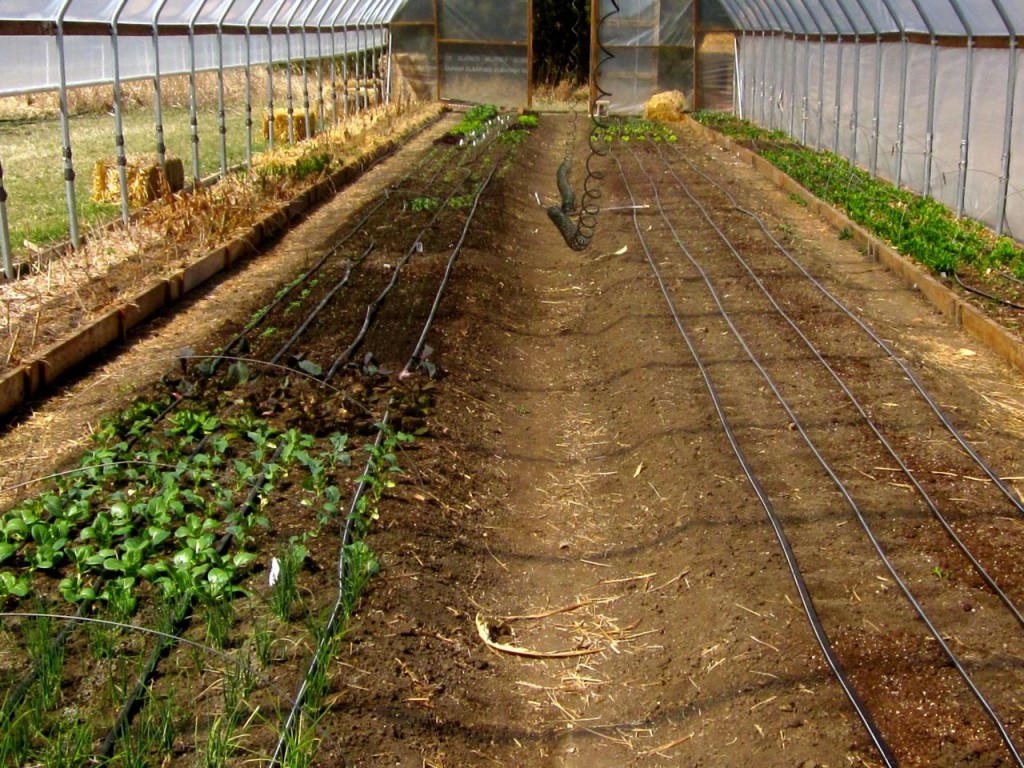 Drip too strong: every watering can salt the root zoneTips burn, white at the emitter, growth stalls. Dilute, flush if you can drain, then restart weaker.Fertiliser burn
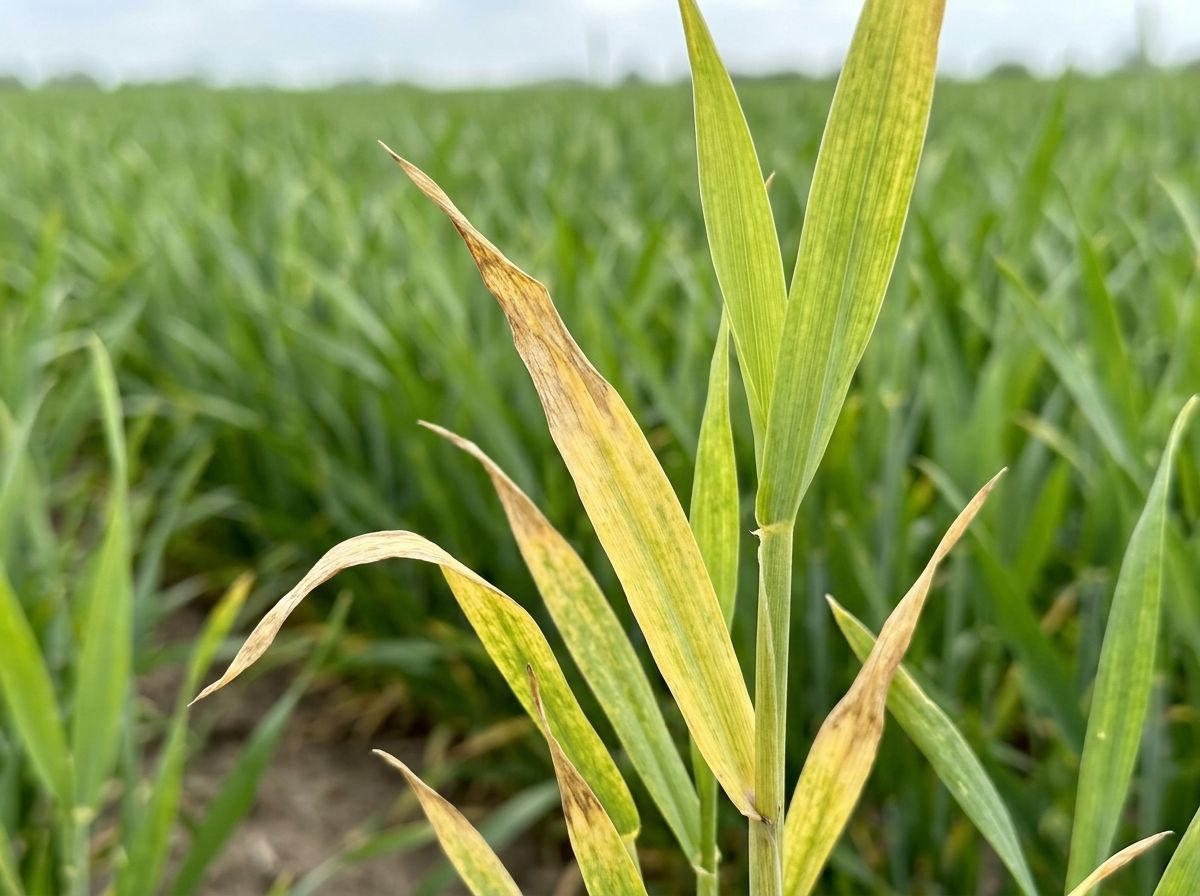 Yellow maize seedlings: nitrogen, zinc, herbicide, waterlog — pick oneDon’t open the nitrogen bag until you know which yellow you have.Nutrient shortage
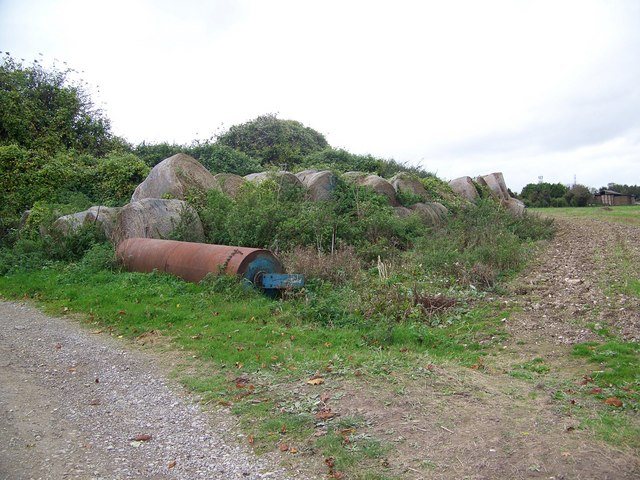 Straw return: it can feed the soil and also burn or steal nitrogenYellow seedlings after a heavy straw layer. Chop, mix, add a little N, don’t bury a wet mat.Thin organic matter
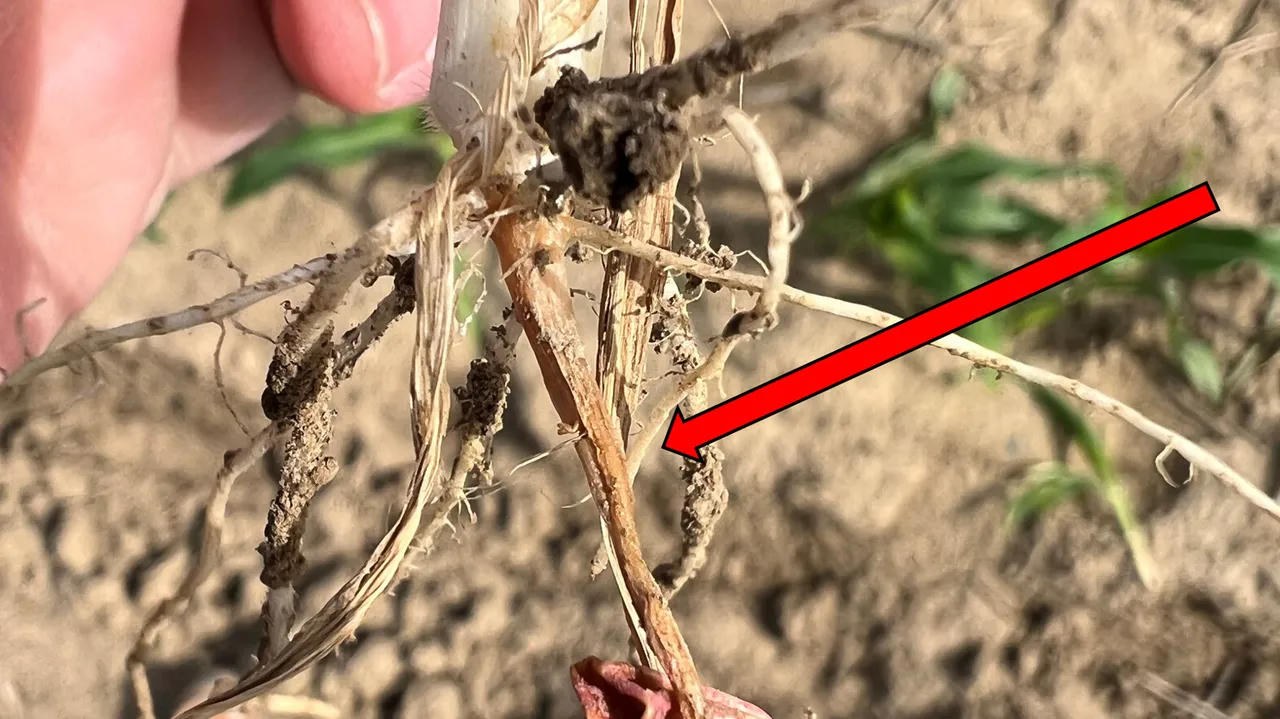 Seedling fertiliser burn: they come up already scorchingEmergence is patchy, tips black, stems watery. Water and wait. Don’t add another dressing.Fertiliser burn
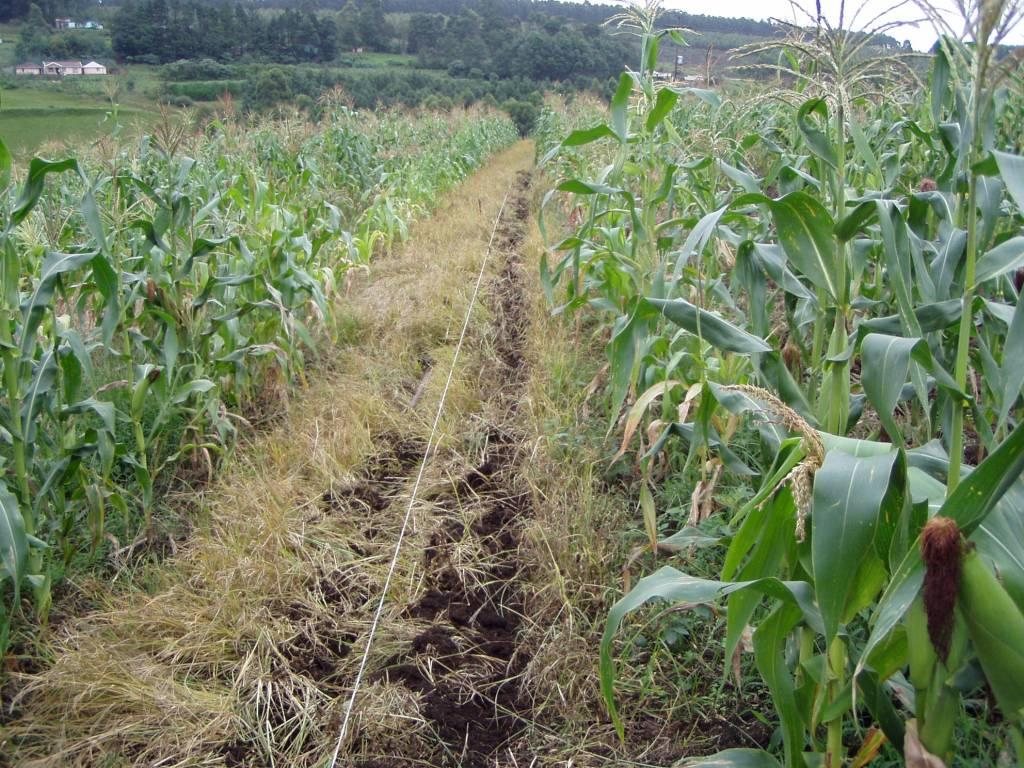 Spray injury: spots and twists after the tank, not a slow shortageSpeckles, puckered leaves, dead spots after a spray. Pattern follows the boom. Don’t treat it as a nutrient gap.Fertiliser burn
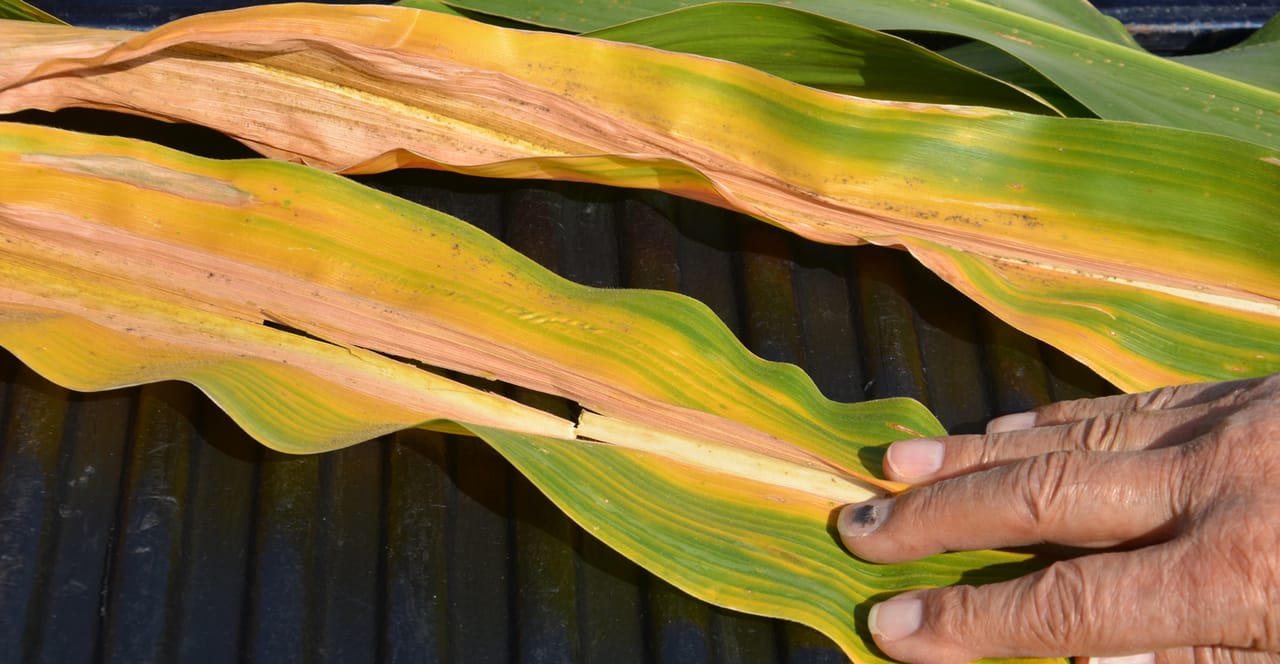 Yellow leaves: shortage, waterlog, spray injury or diseaseOld leaf vs new leaf, veins vs blade, a spray pattern vs a slow fade. Separate them before you open a bag.Nutrient shortage