
Field guide
Something looks wrong in the field? Match it here — acid soil, salt, iron lock, waterlog. Lab-sheet words live under Reading the soil test.
Can’t read the lab sheet? Open Reading the soil testProblem
26 guides
One guide can sit in more than one group, so the chip counts add up to more than 100.
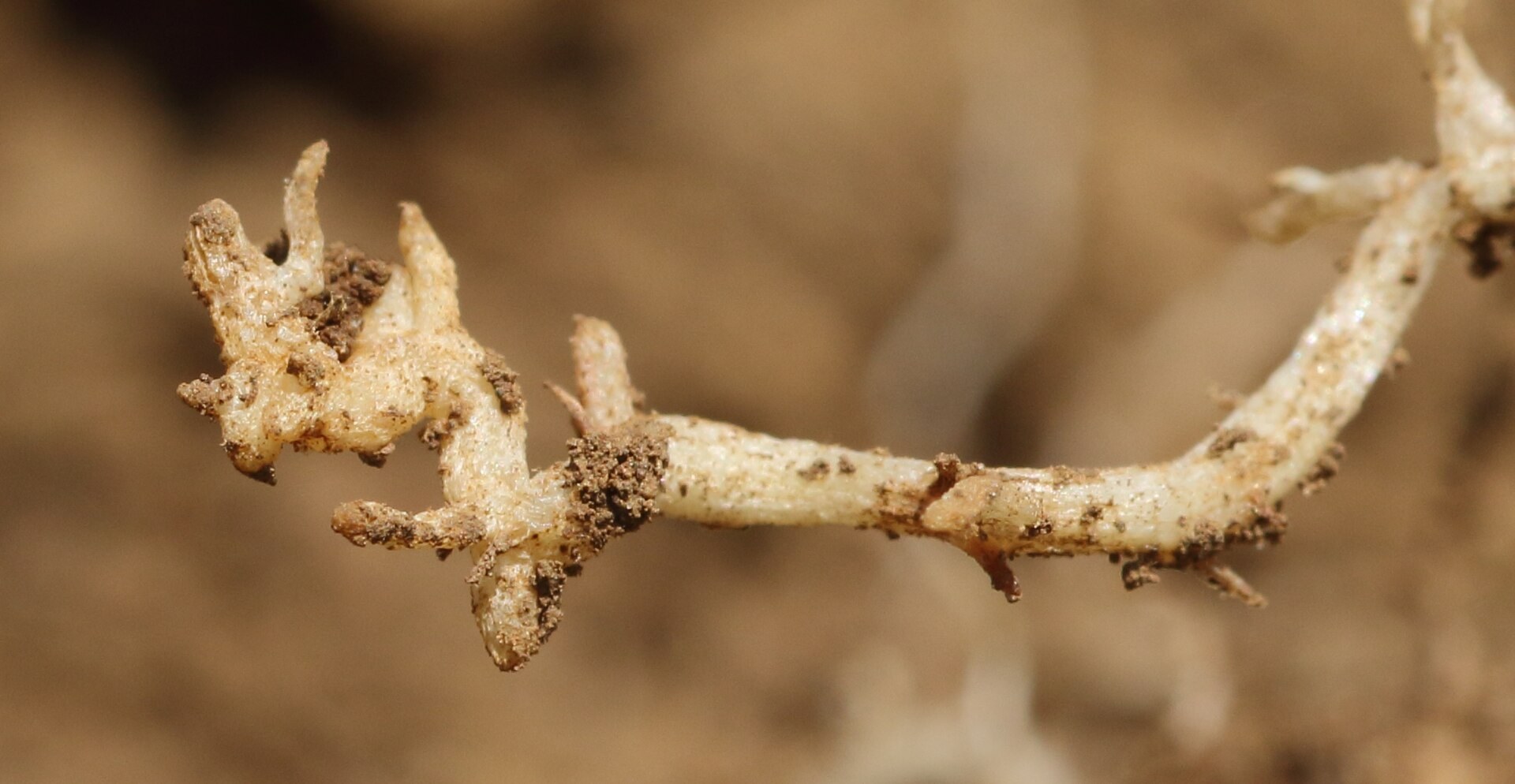 Nutrients fighting each other: phosphorus vs zinc, potassium vs magnesiumA high-P dressing hides zinc. Heavy K hides magnesium. Read the sheet, don’t stack the same salt.Nutrient shortage
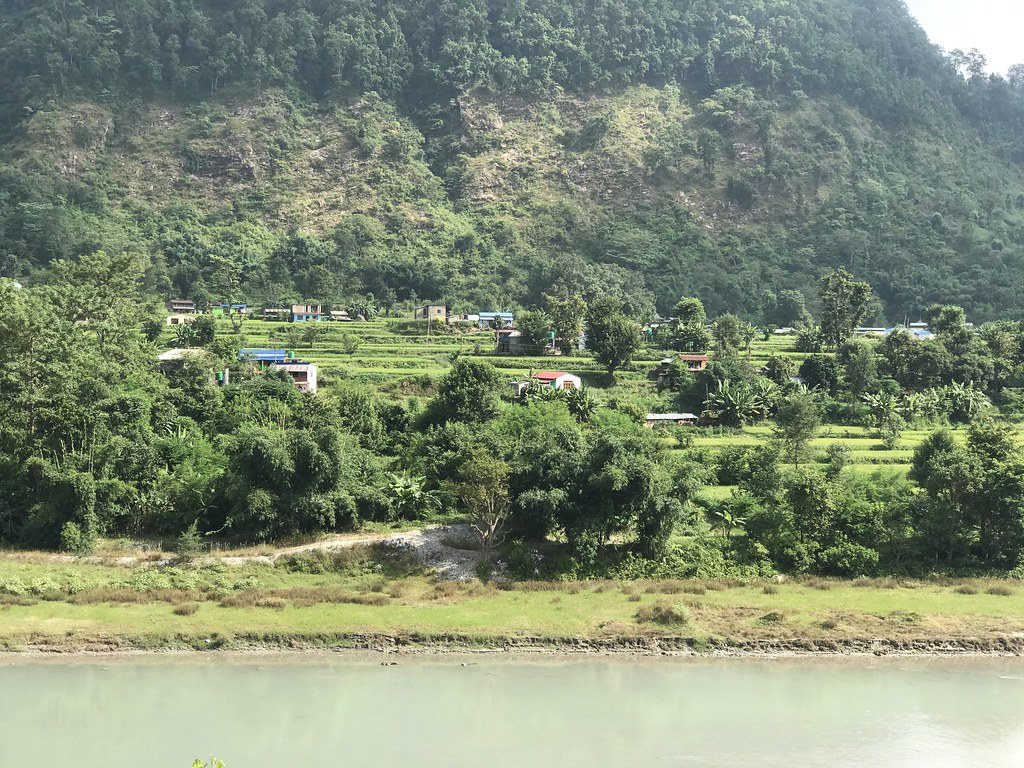 Leafy-veg micronutrients: a foliar spray is not a substitute for fixing the soilSpray can buy days. pH, water and organic matter decide whether it comes back.Nutrient shortage
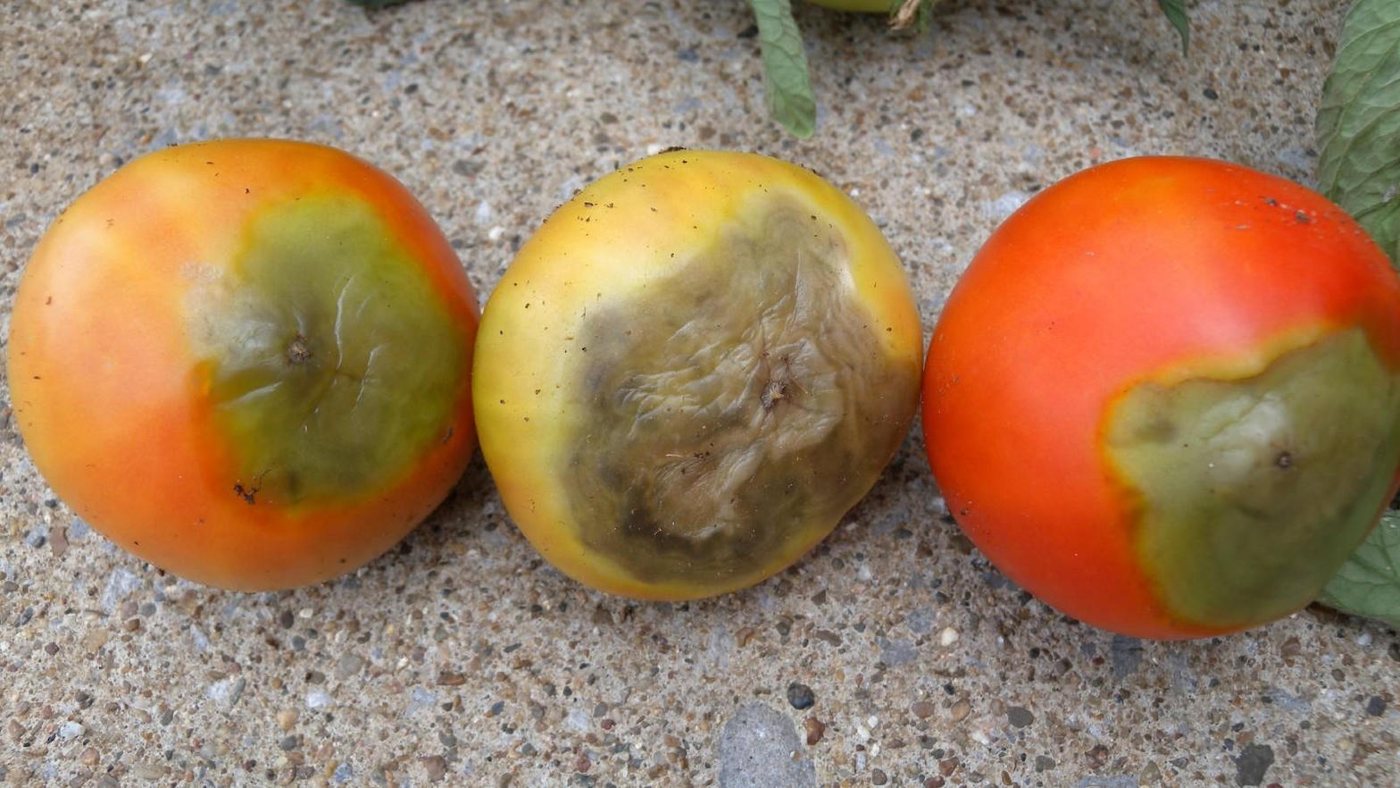 Acid soil and calcium shortage together: blossom-end rot is not only a foliar calcium jobAcid locks calcium and aluminium bites the tip. Test pH, then talk calcium.Acid soil
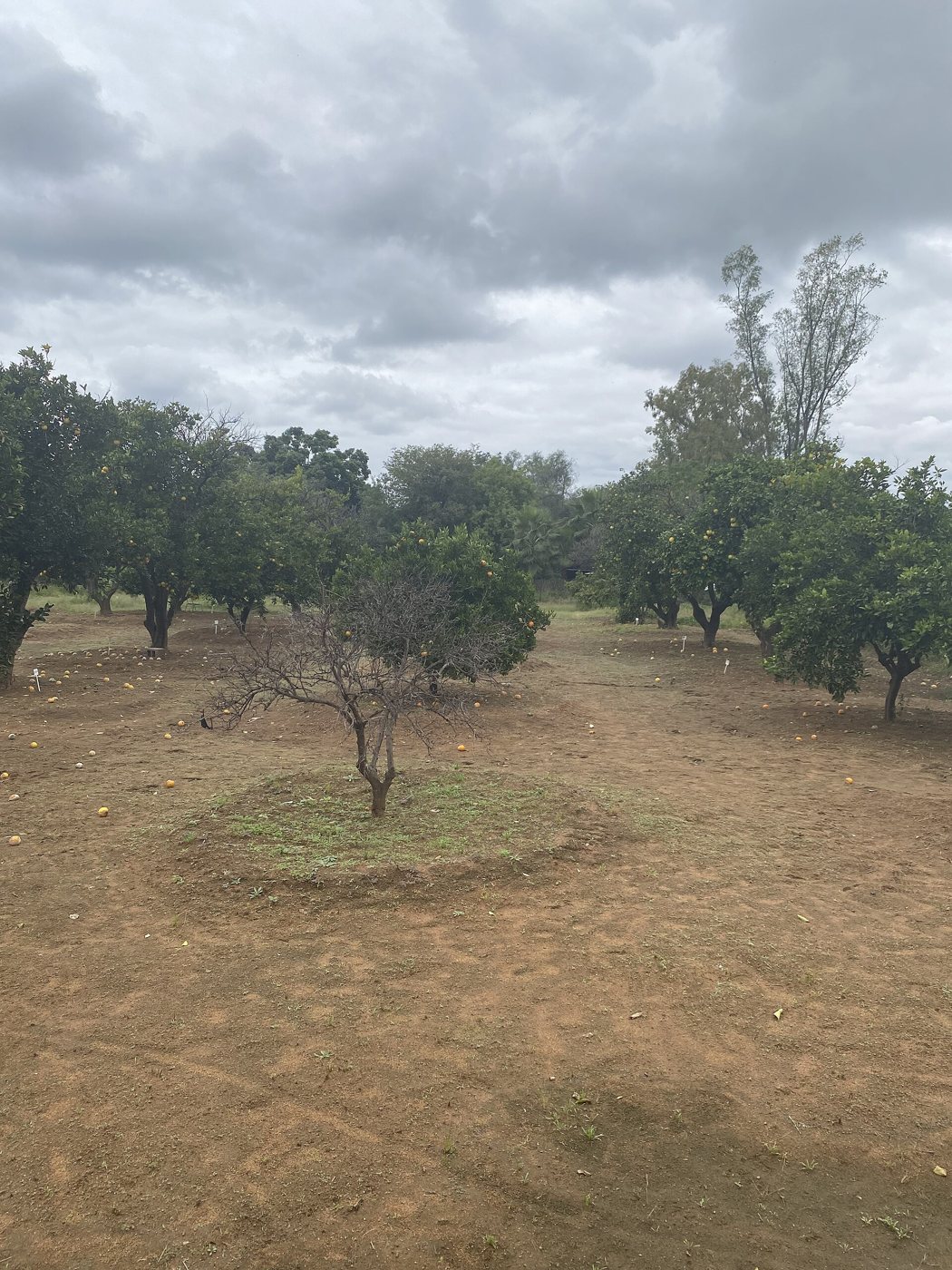 Citrus yellowing: separate iron lock, root rot and huanglongbingLook at the root, the pattern, and whether a neighbour tree matches. Don’t only spray iron.Nutrient shortage
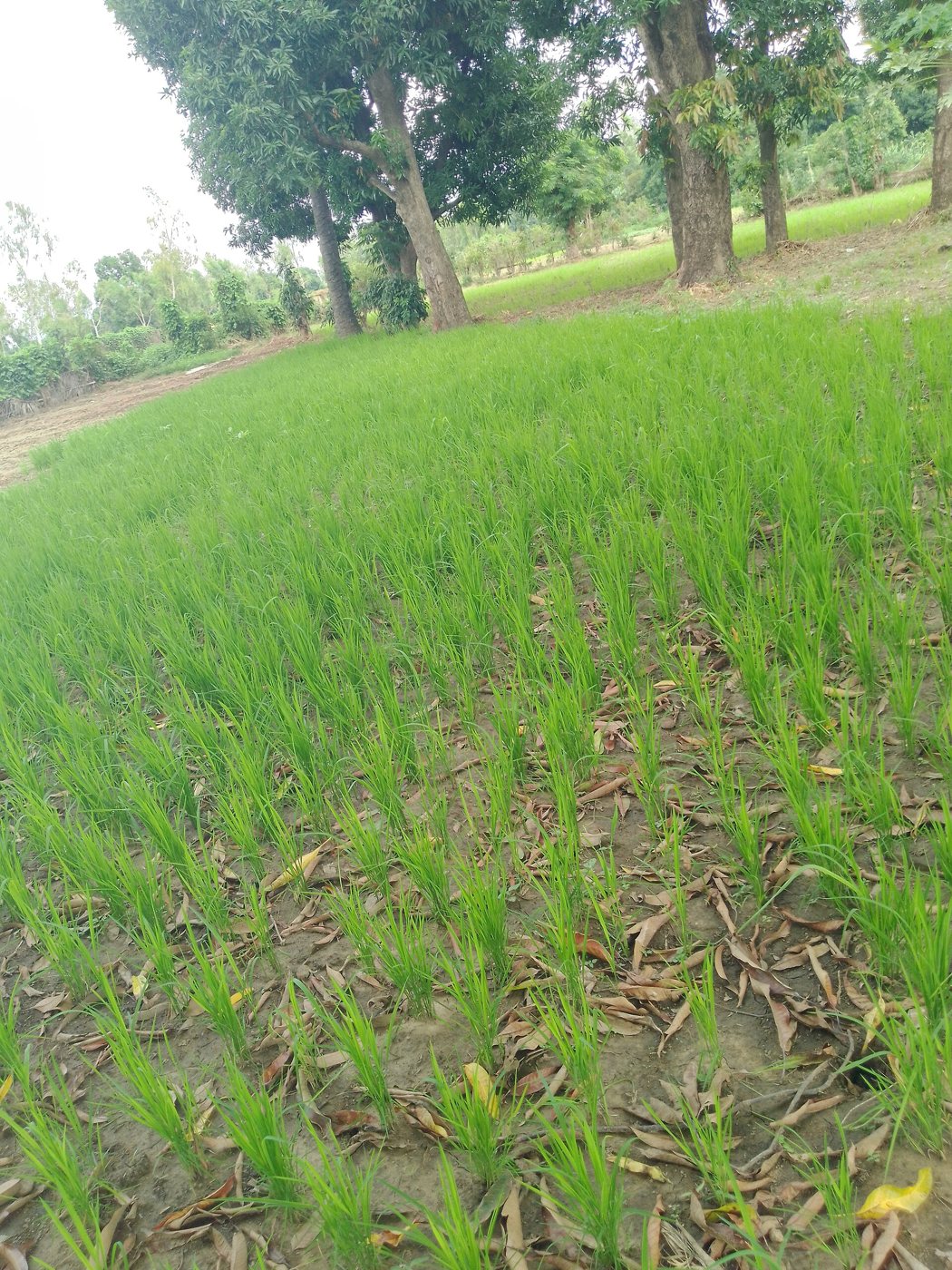 Rice seedlings stall: acid, cold, toxins, burn — separate themWash the root, smell the mud, read pH. Rusty water, black roots, burned tips and cold mud are different jobs.Nutrient shortage
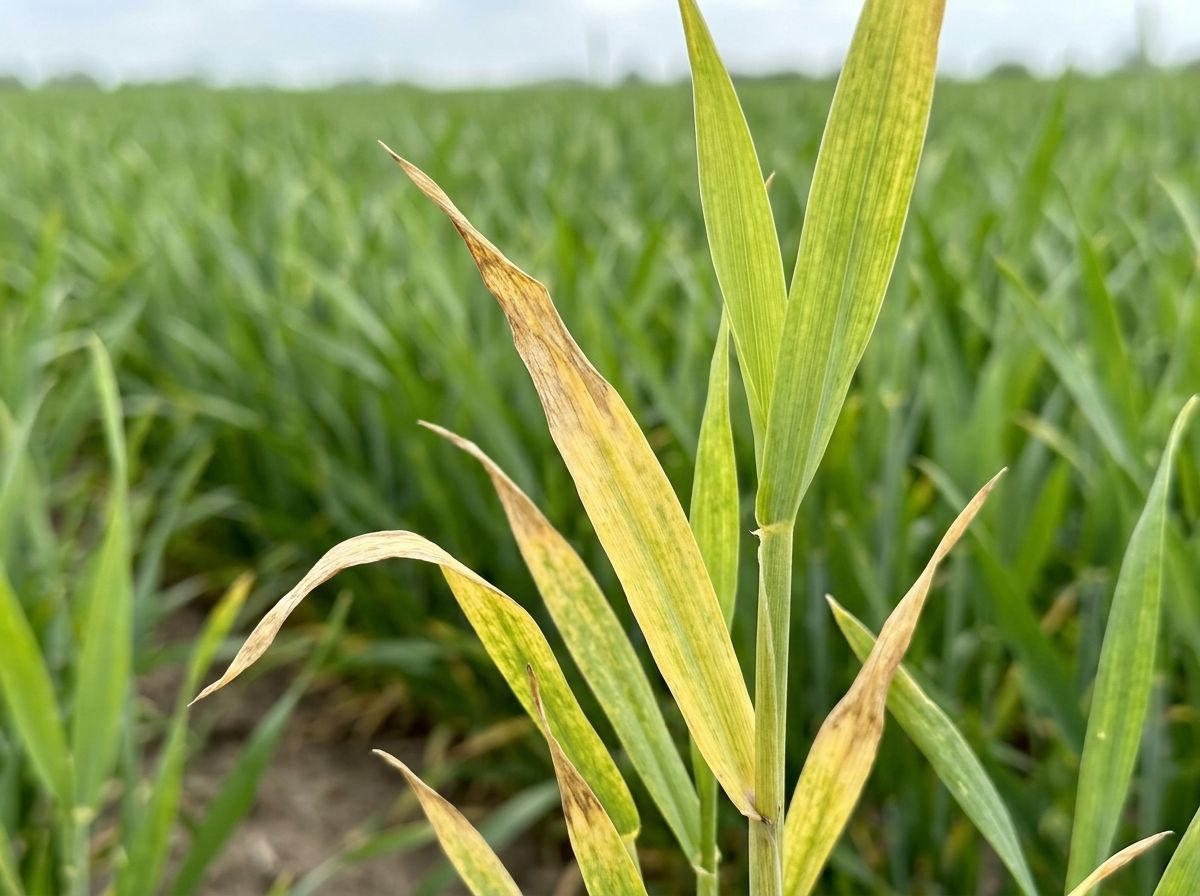 Yellow maize seedlings: nitrogen, zinc, herbicide, waterlog — pick oneDon’t open the nitrogen bag until you know which yellow you have.Nutrient shortage
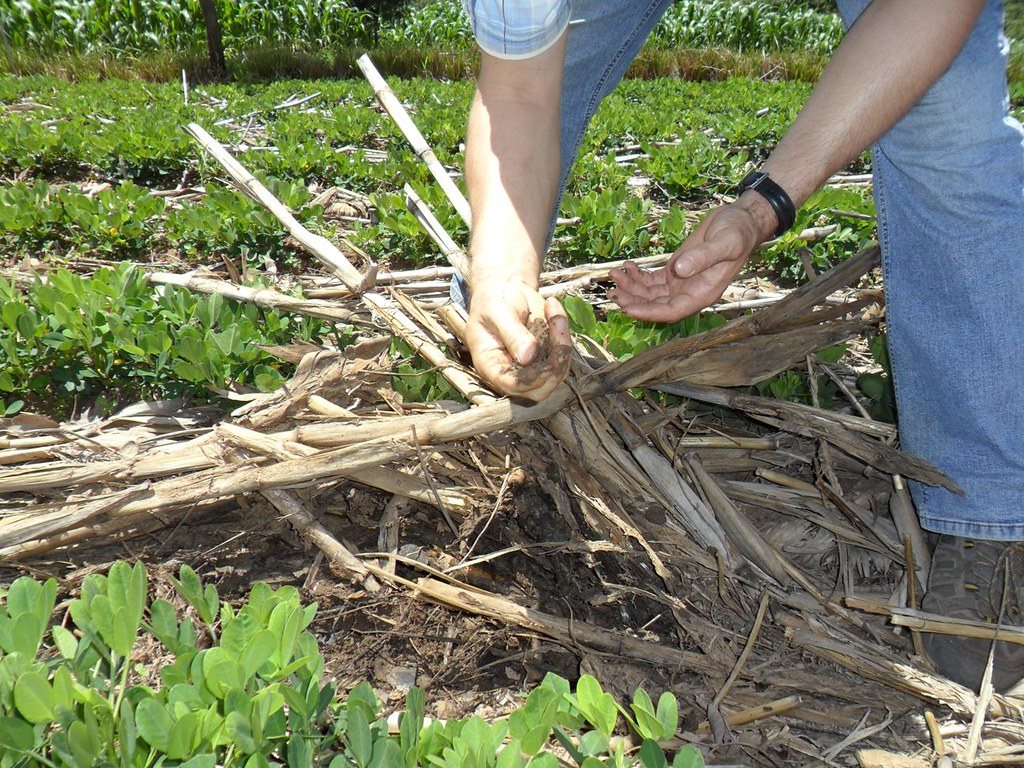 Leaves can hint at a fertiliser, they cannot replace a soil testUse the leaf as a clue, then test. Don’t write a season’s recipe from one colour.Other
 Calcareous soil: the fertiliser is in the ground, the root can’t eat itNew leaves yellow with green veins, P stays purple. Don’t keep pouring the same bag. Work the root zone.Salty-alkali land
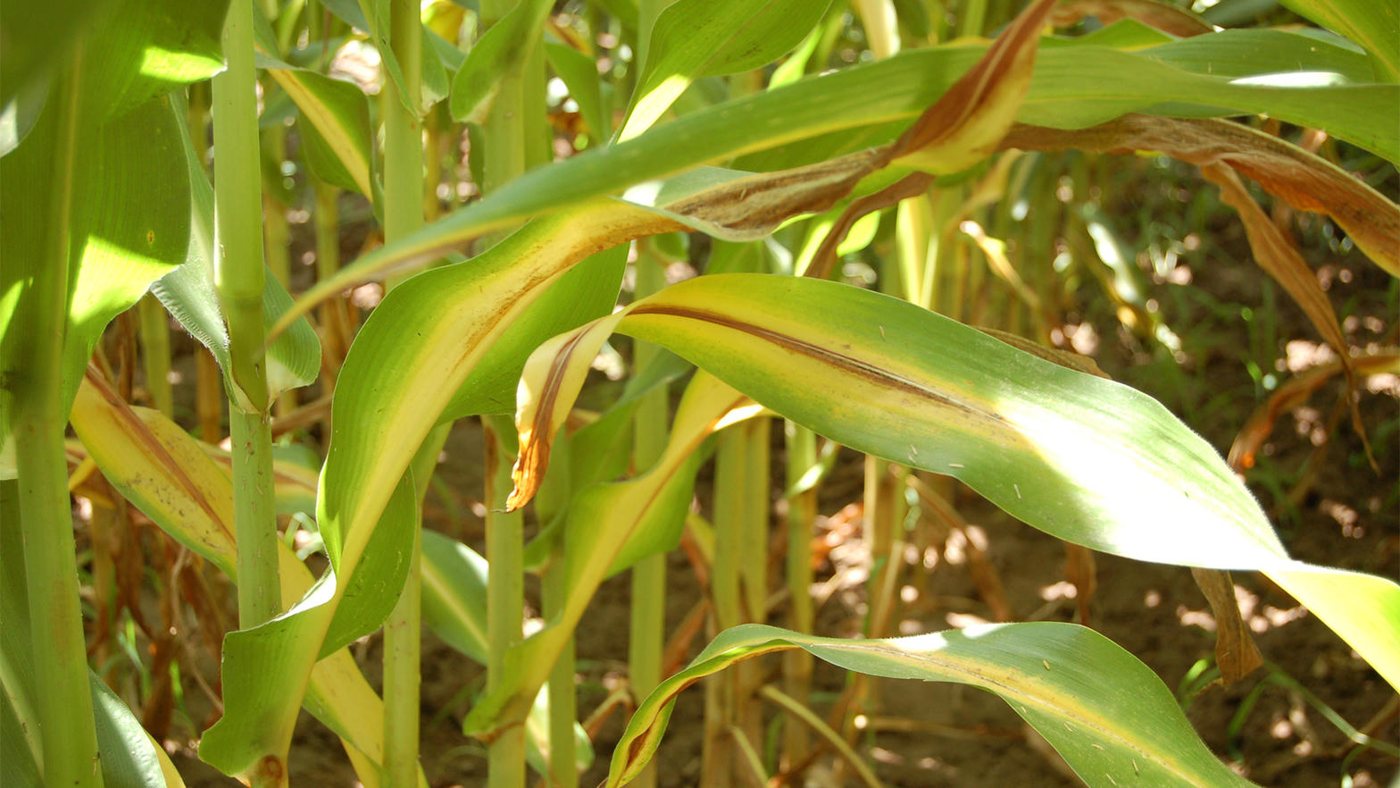 Nitrogen: old leaves yellow, new leaves still greenYellow old leaves, white roots. If new leaves yellow too, think sulphur or iron.Nutrient shortage
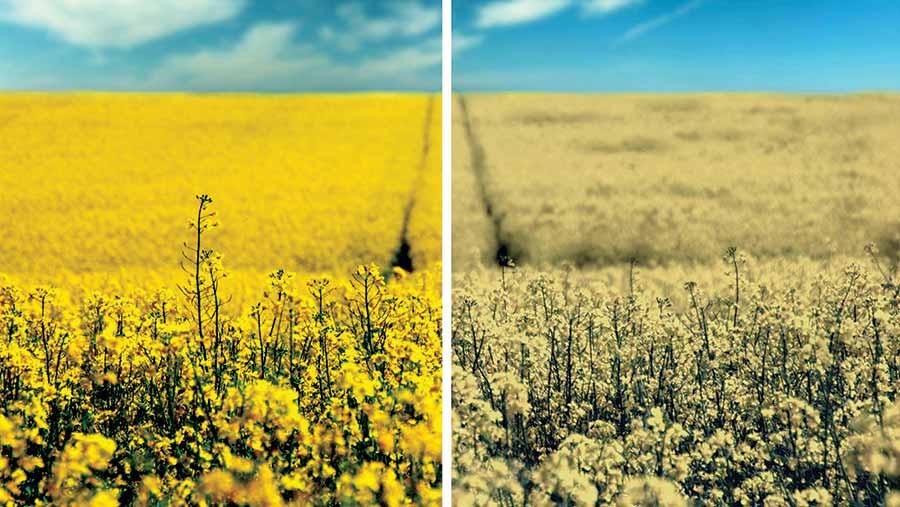 Sulfur shortage: the whole plant yellows, including new leavesEven yellow on new and old leaves. Sandy, low-organic soils after heavy rain show it first.Nutrient shortage
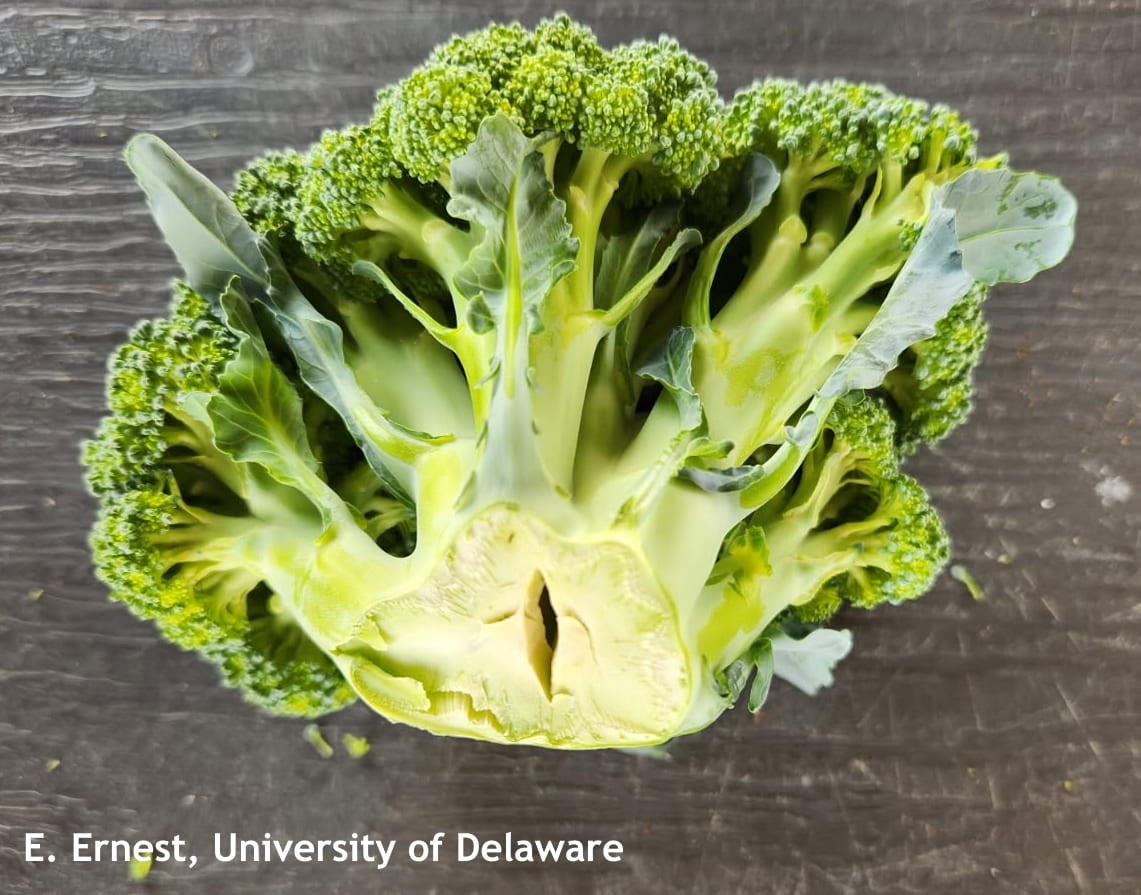 Boron shortage: flowers without fruit, cracked stems, hollow heartsFlowers drop, hearts go hollow, growing points die. Drought and salt can look the same. Don’t double the dose.Nutrient shortage
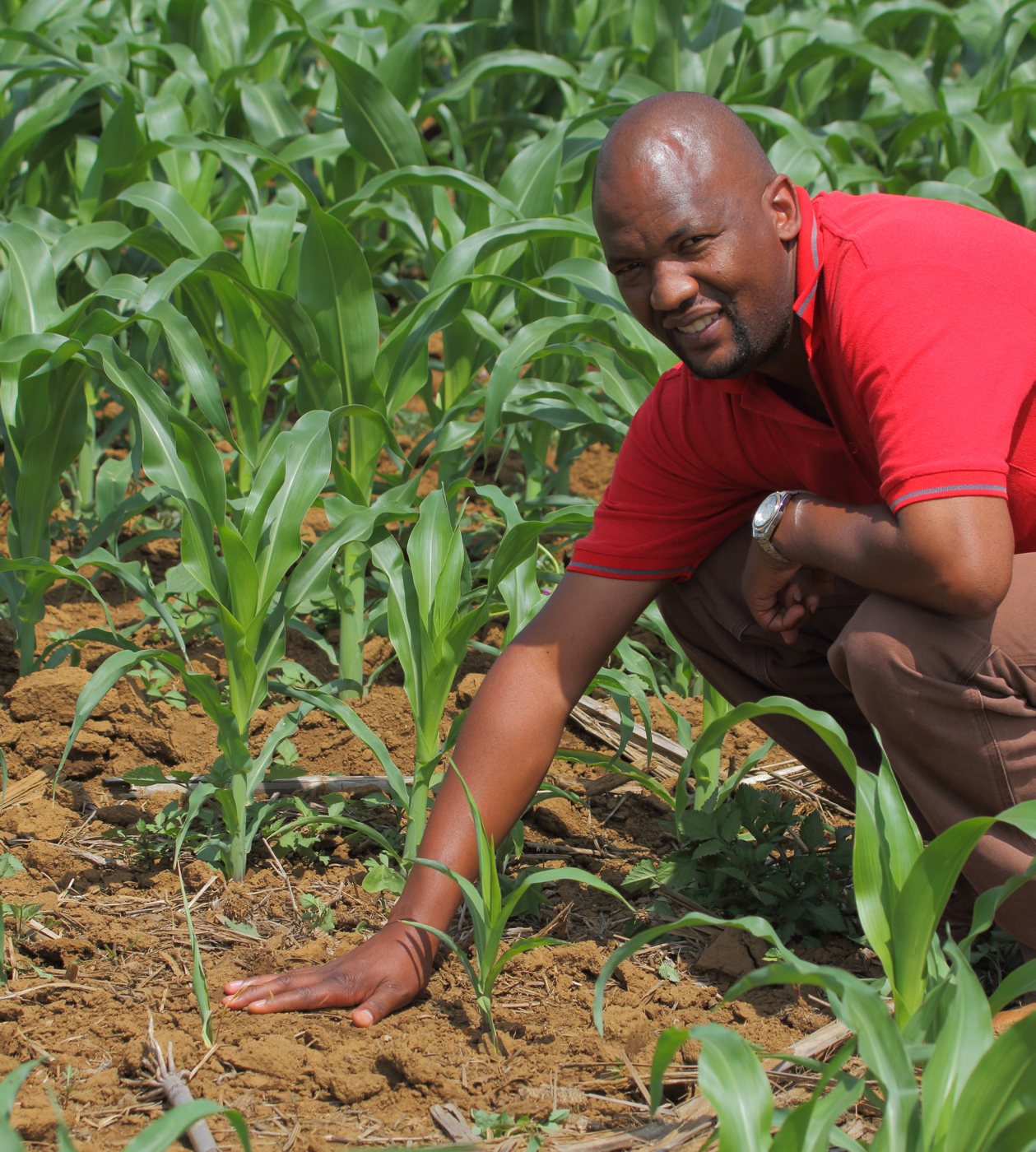 Phosphorus shortage: seedlings purple, stiff, short of rootsDark green with purple on the underside; roots short. Not the even yellow of nitrogen shortage.Nutrient shortage
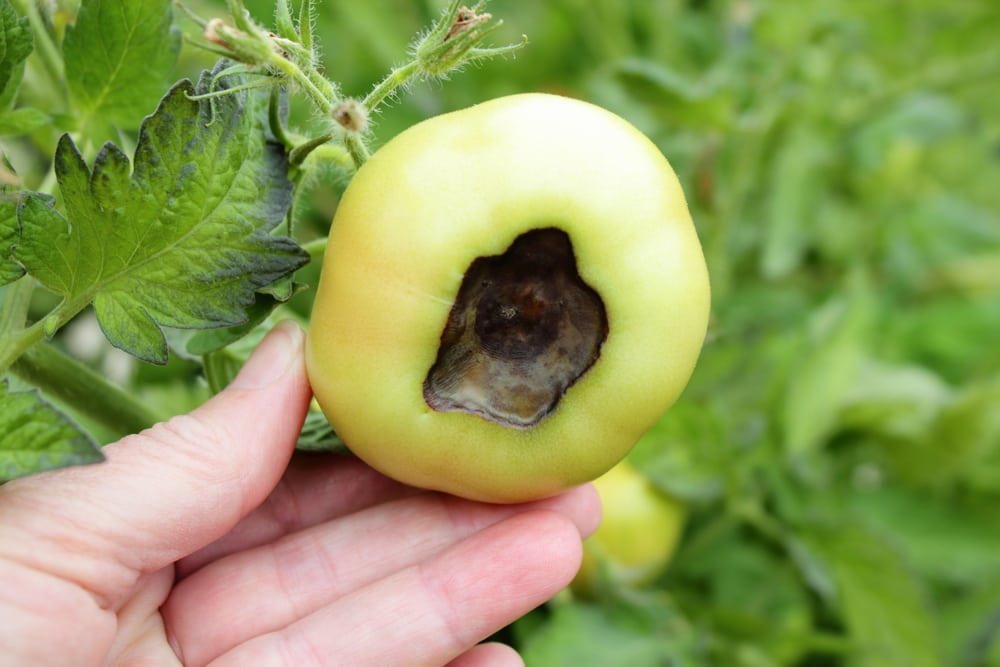 Calcium shortage: dead tips, blossom-end rot, split fruitGrowing tips die, fruit pits rot at the blossom end, shells split. Don’t only spray the leaf; check water and pH.Nutrient shortage
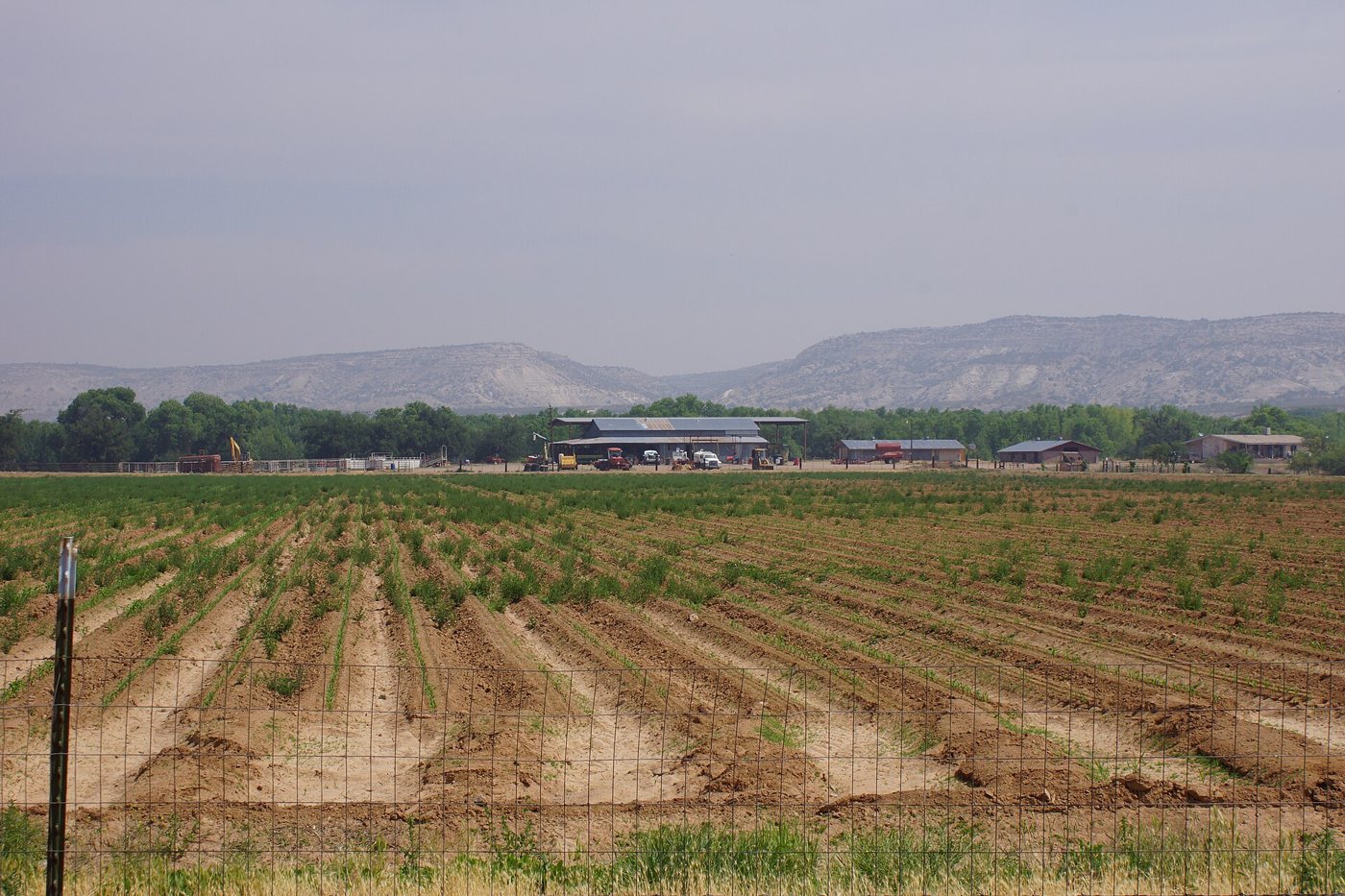 Molybdenum shortage: legumes fail to fix nitrogen, leaves twistPale, twisted leaves on beans; nodules fail. Don’t pour nitrogen before you check pH.Nutrient shortage
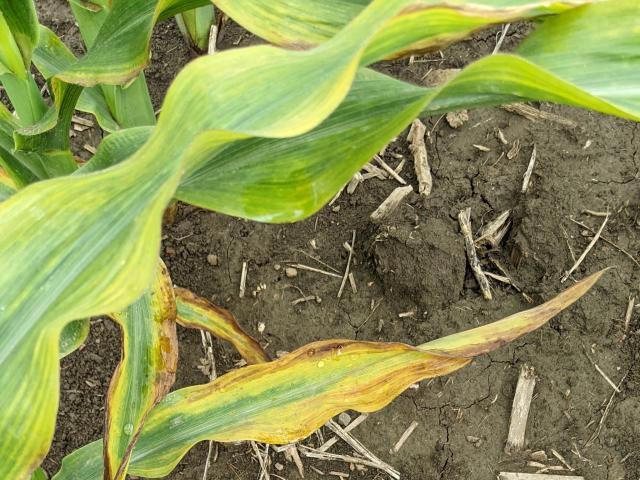 Potassium: scorch from the old-leaf marginScorched margins plus a white crust: split salt from potassium first.Nutrient shortage
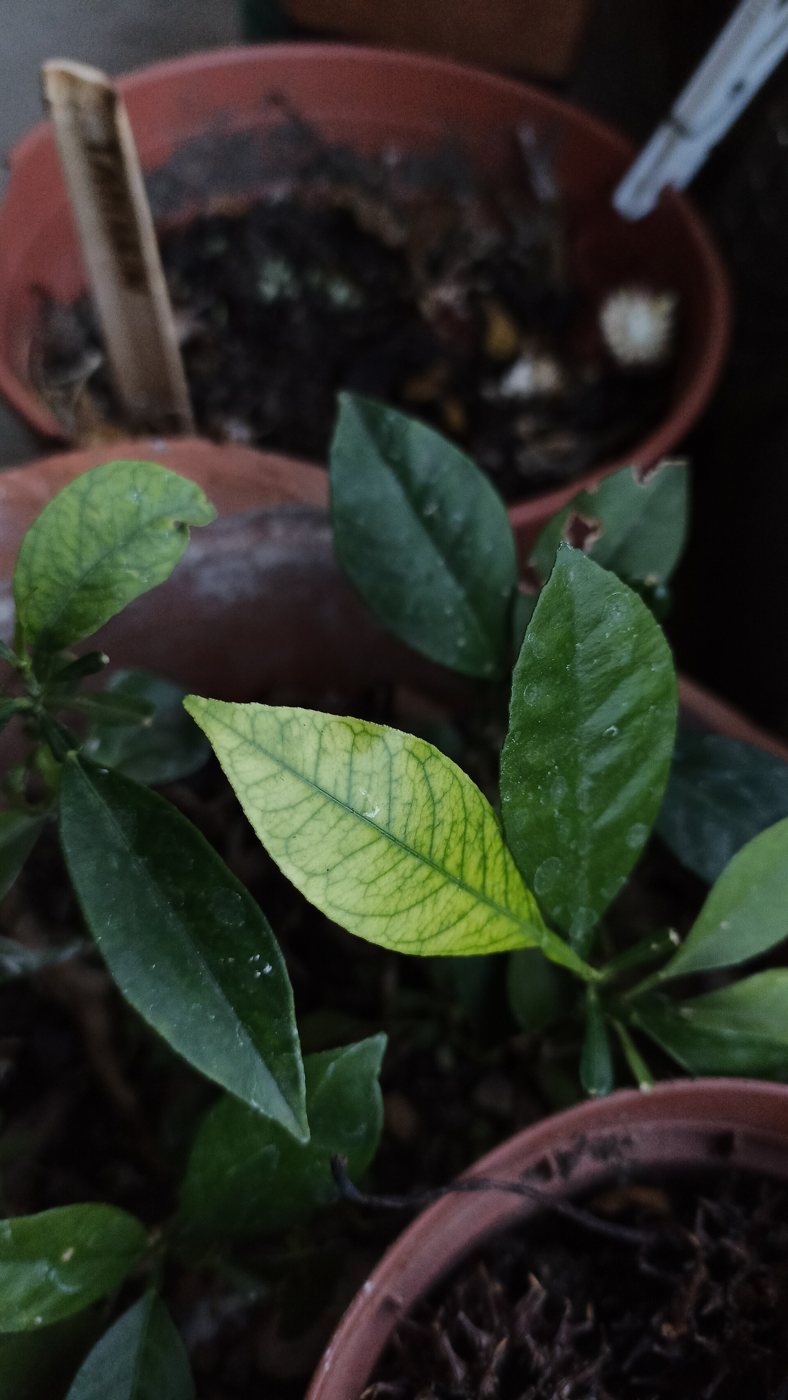 Iron: new leaves yellow, veins still greenOften a pH lock, not a missing bag of iron.Nutrient shortage
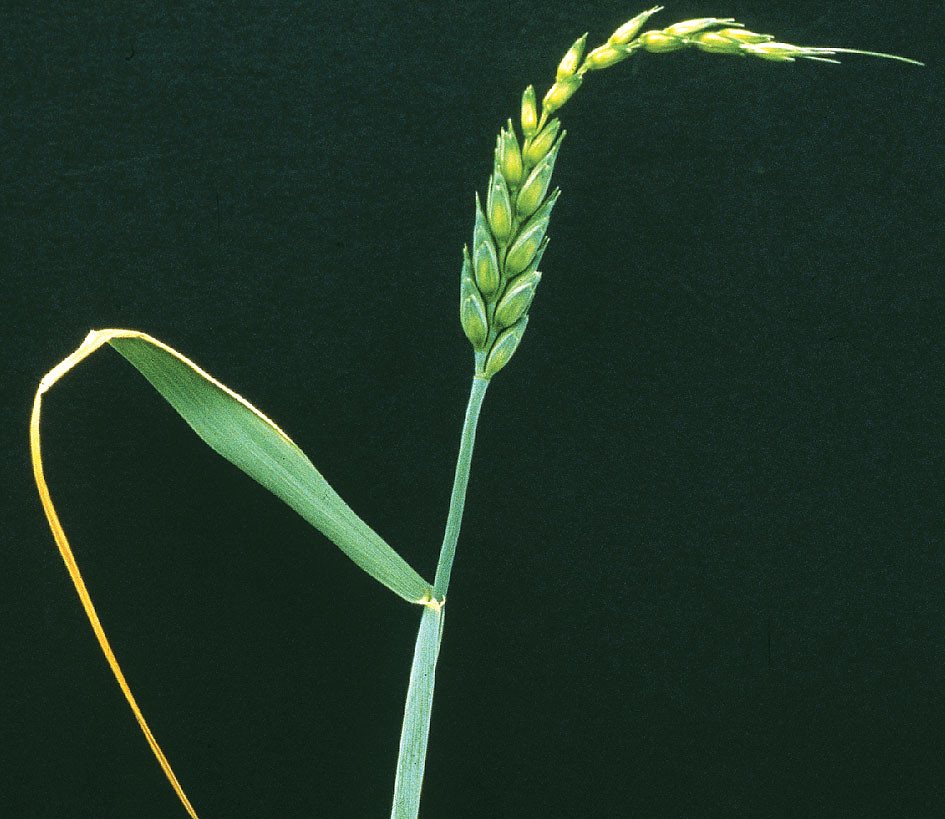 Copper shortage: empty heads, bleached leaf tipsGrain doesn’t fill, tips bleach. Organic soils and high pH make it worse.Nutrient shortage
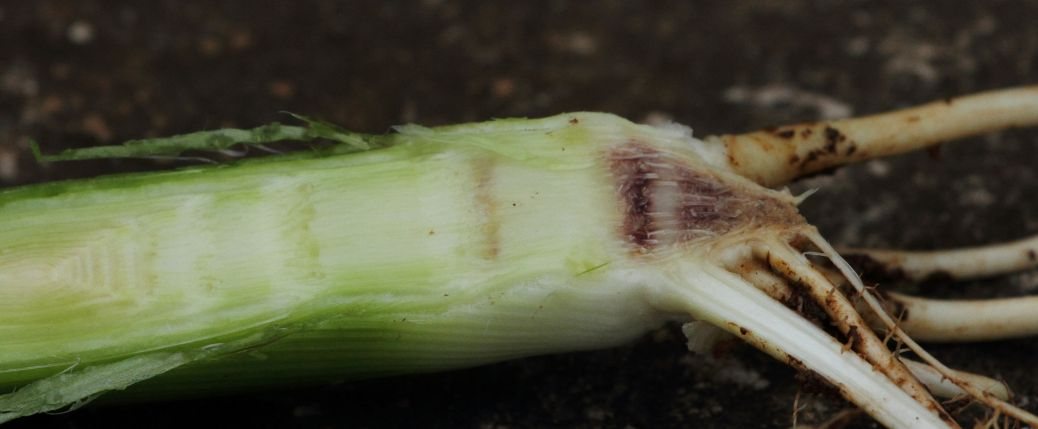 Zinc shortage: new leaves stripe, internodes shrinkInterveinal striping on new leaves, shortened internodes, a rosette look. Don’t keep pouring phosphate.Nutrient shortage
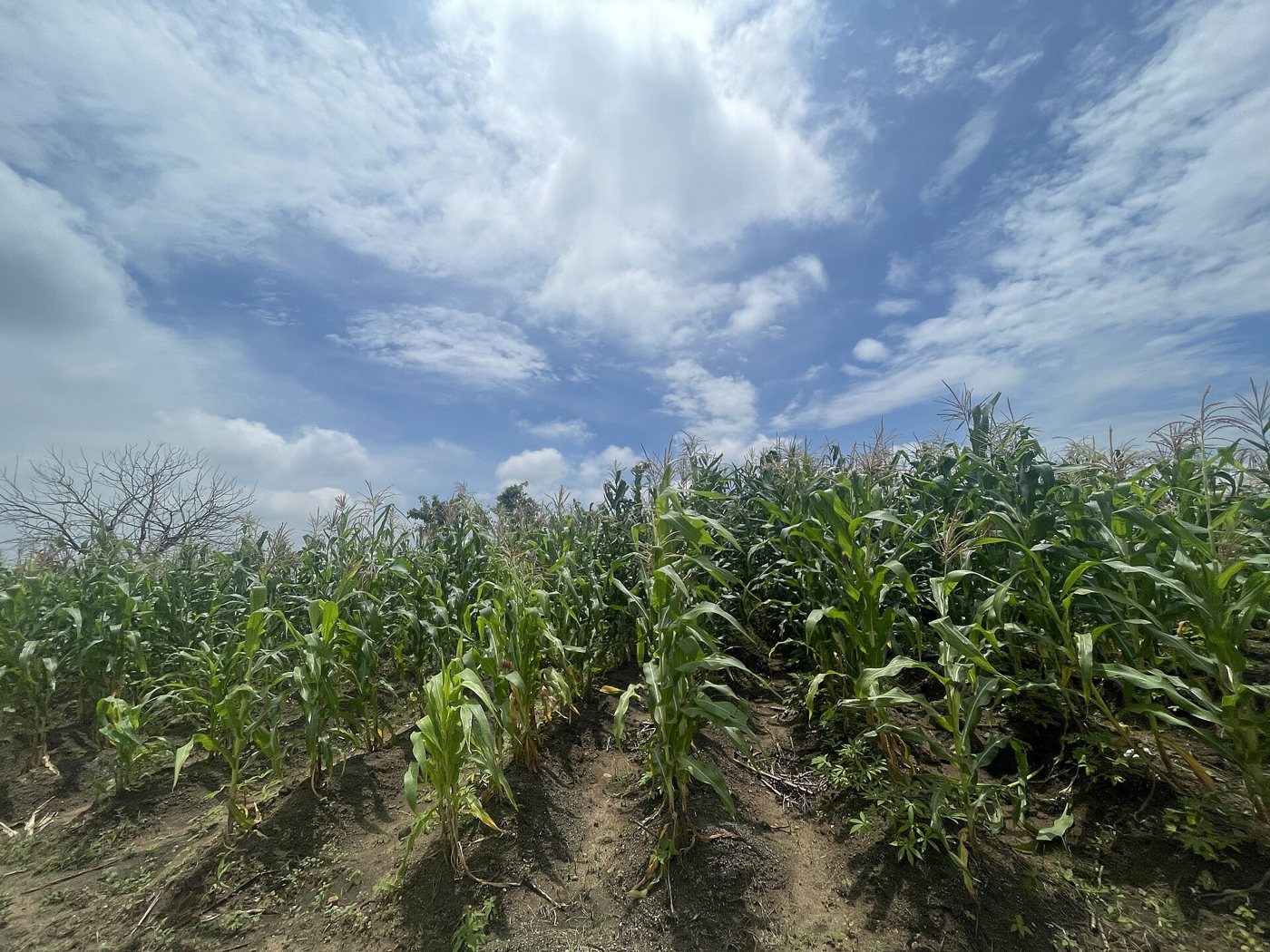 Zinc shortage often hides behind high phosphorusStriped new leaves after heavy phosphate. Stop stacking P, check zinc.Nutrient shortage
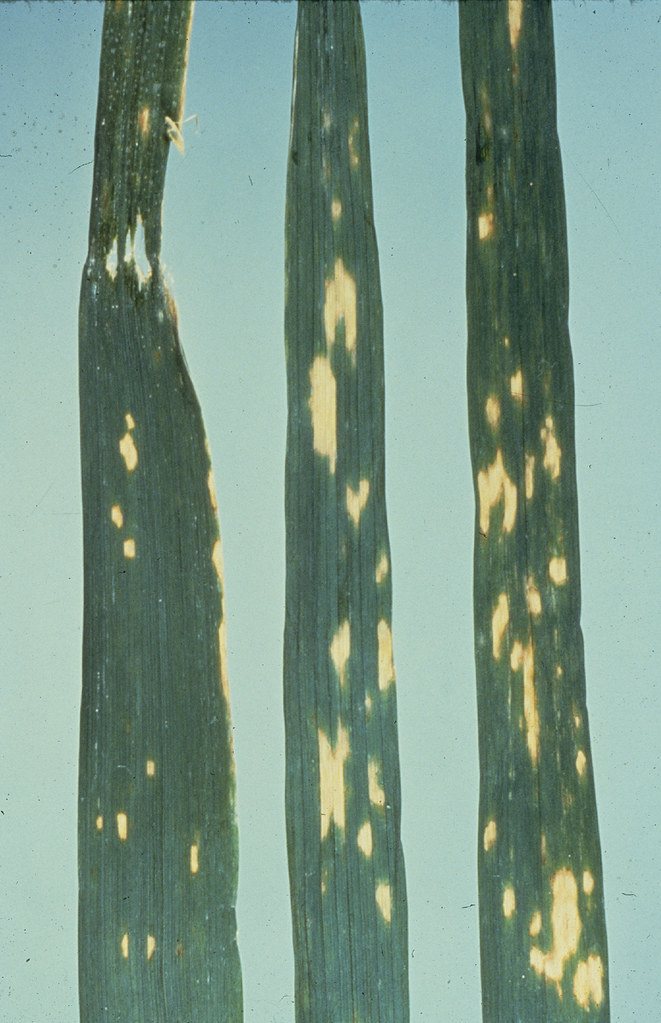 Manganese shortage: new leaves speckle between the veinsNew leaves pale with brown specks between veins. Not the even yellow of nitrogen.Nutrient shortage