
Field guide
Something looks wrong in the field? Match it here — acid soil, salt, iron lock, waterlog. Lab-sheet words live under Reading the soil test.
Can’t read the lab sheet? Open Reading the soil testProblem
16 guides
One guide can sit in more than one group, so the chip counts add up to more than 100.
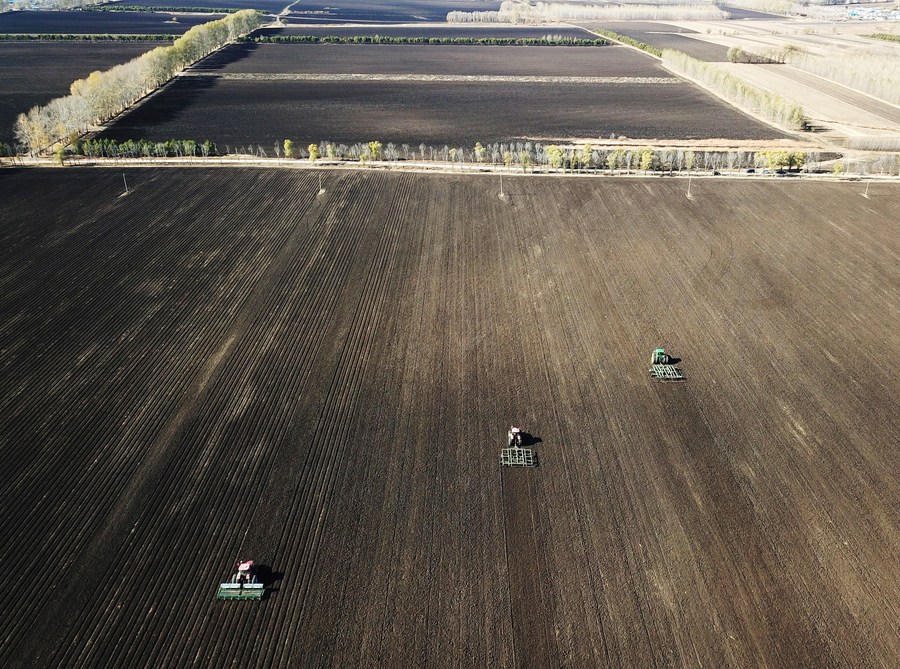 Thin organic matterBlack soil getting thin and hardColour fades, clods increase, organic matter drops. Return straw, cut the years of only taking.
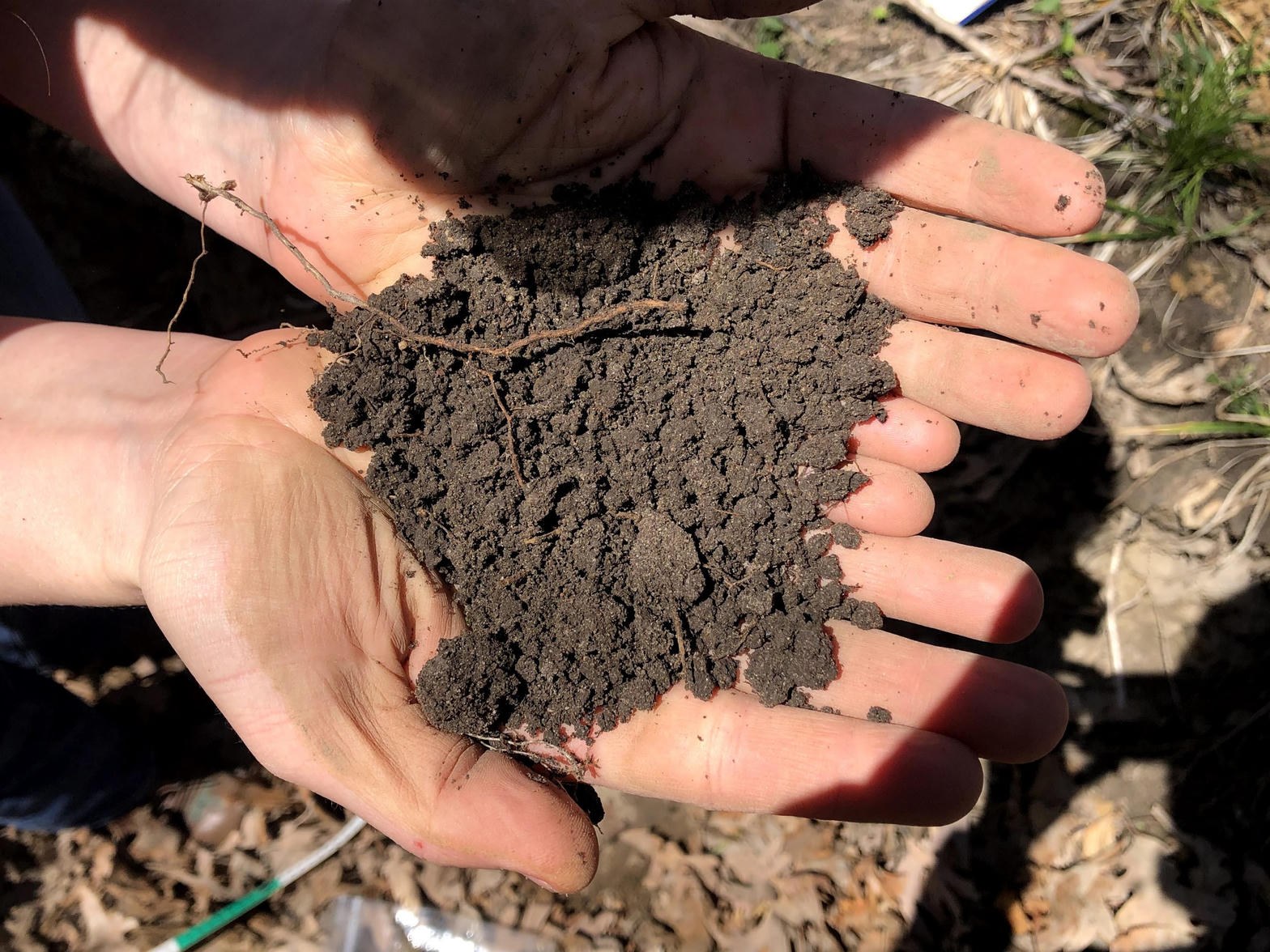 Hard-packed soilAggregates smashed: the surface powders, then turns to slurry in rainDust when dry, soup when wet. Organic matter, roots and fewer passes.
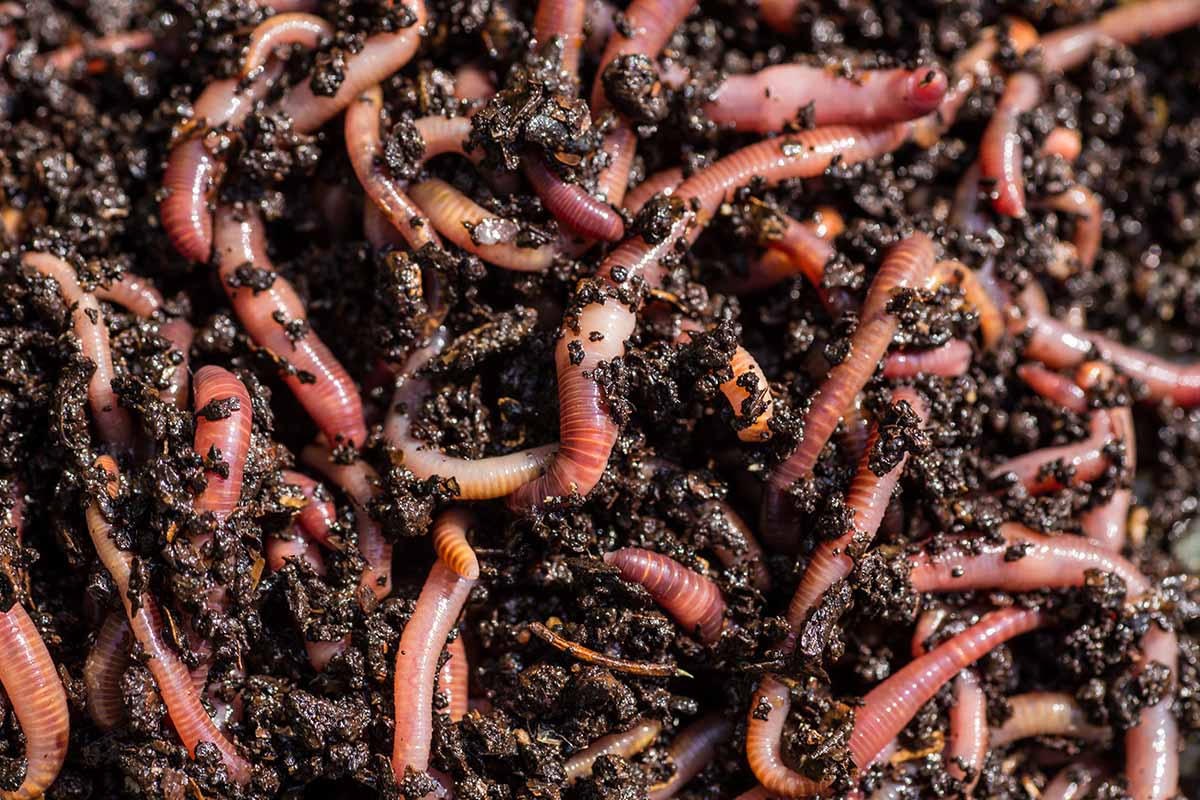 Same crop againThe soil isn’t ‘alive’: microbes out of balanceSoil smells sour or dead, residues don’t rot, plants stall. Feed carbon and air before you buy a miracle bottle.
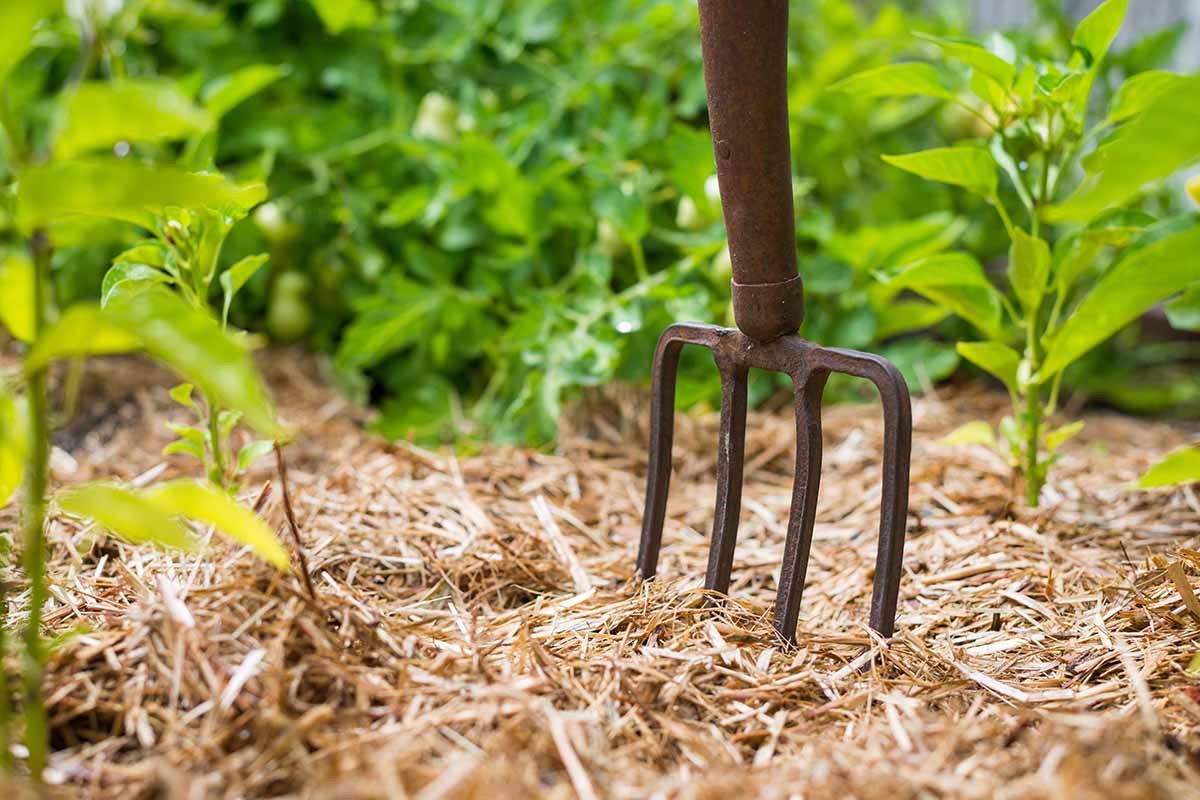 Hard-packed soilCan film or straw mulch loosen hard soilIt stops the cap forming. It does not replace a cracked pan underneath.
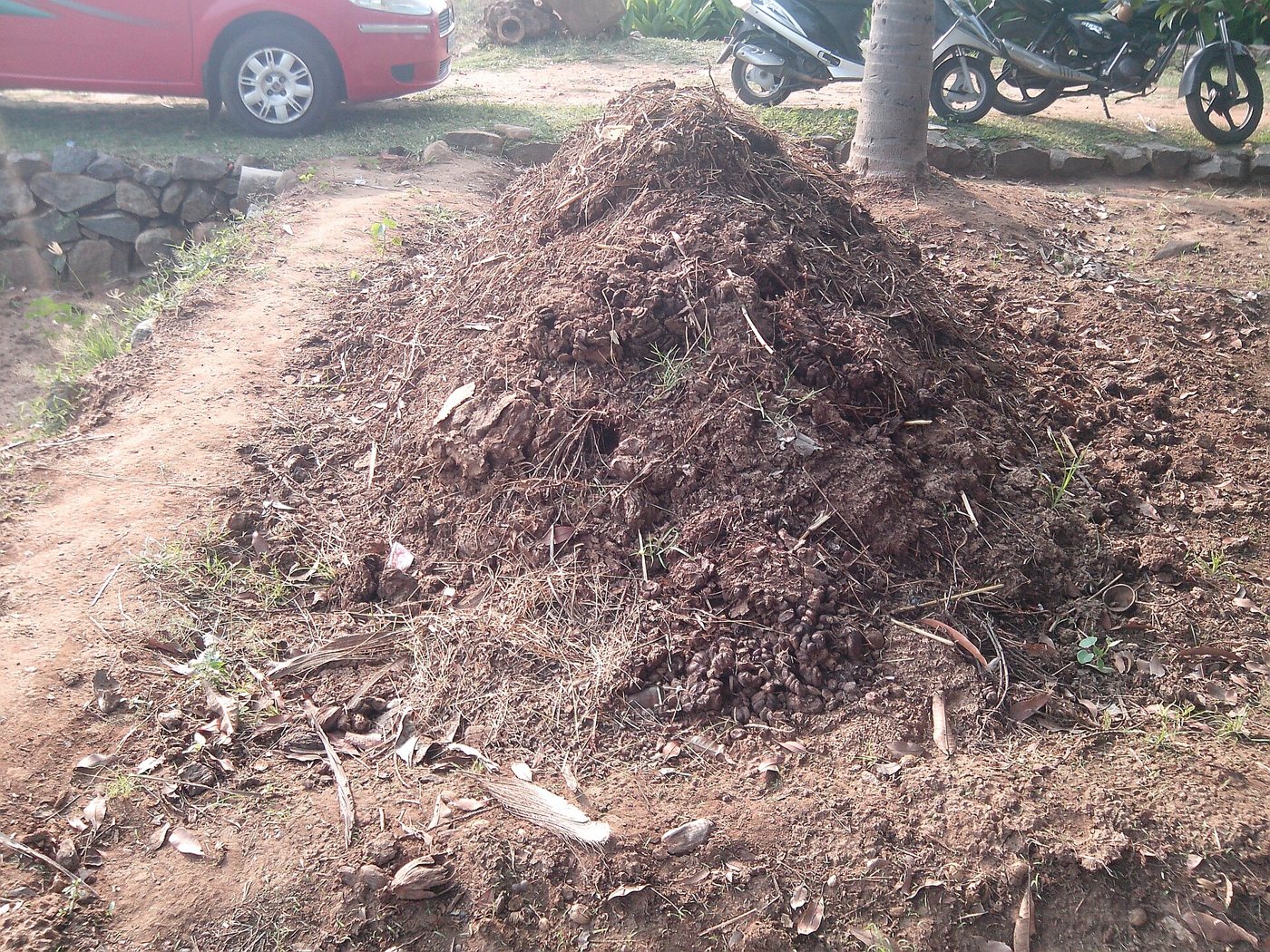 Thin organic matterChoosing organic fertiliser: look at composting, salt and the C:N ratioSmell, heat, EC and a C:N you can live with. Raw, salty, high-N waste burns.
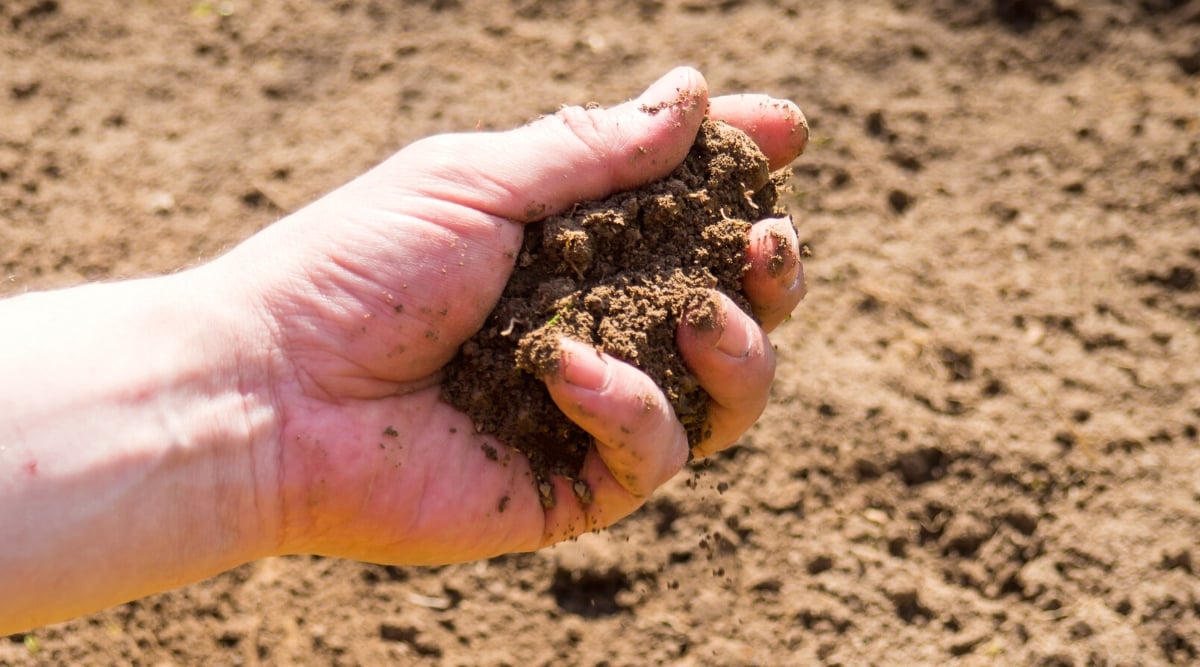 Thin organic matterThin organic matter: pale soil that will not hold a ballOrganic matter is a reserve, not a packet of microbes. Build it over years.
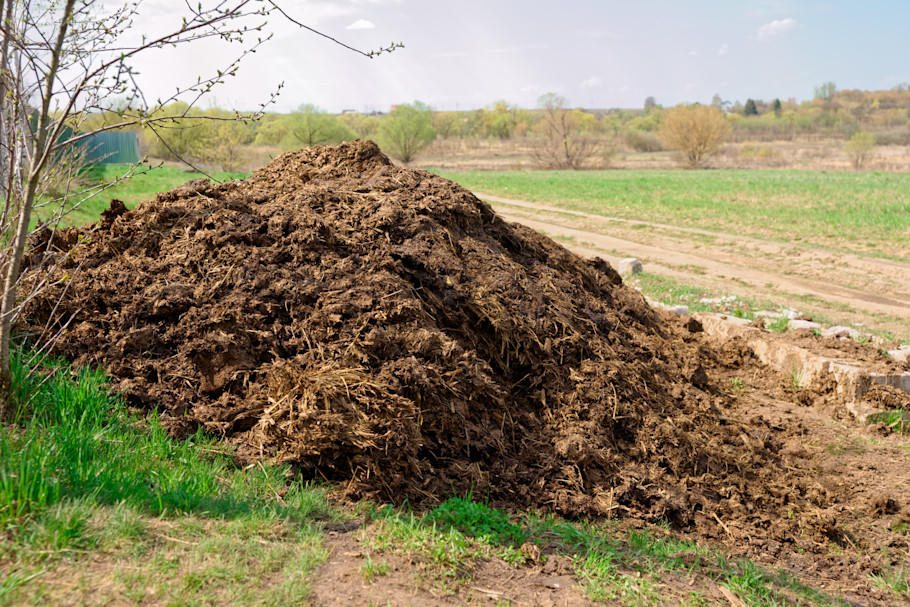 Fertiliser burnRaw manure: you thought it was treasure, it burned the seedlingsHot piles, white fungus, burned roots after a ‘organic’ dressing. Only fully rotted stuff goes next to a seedling.
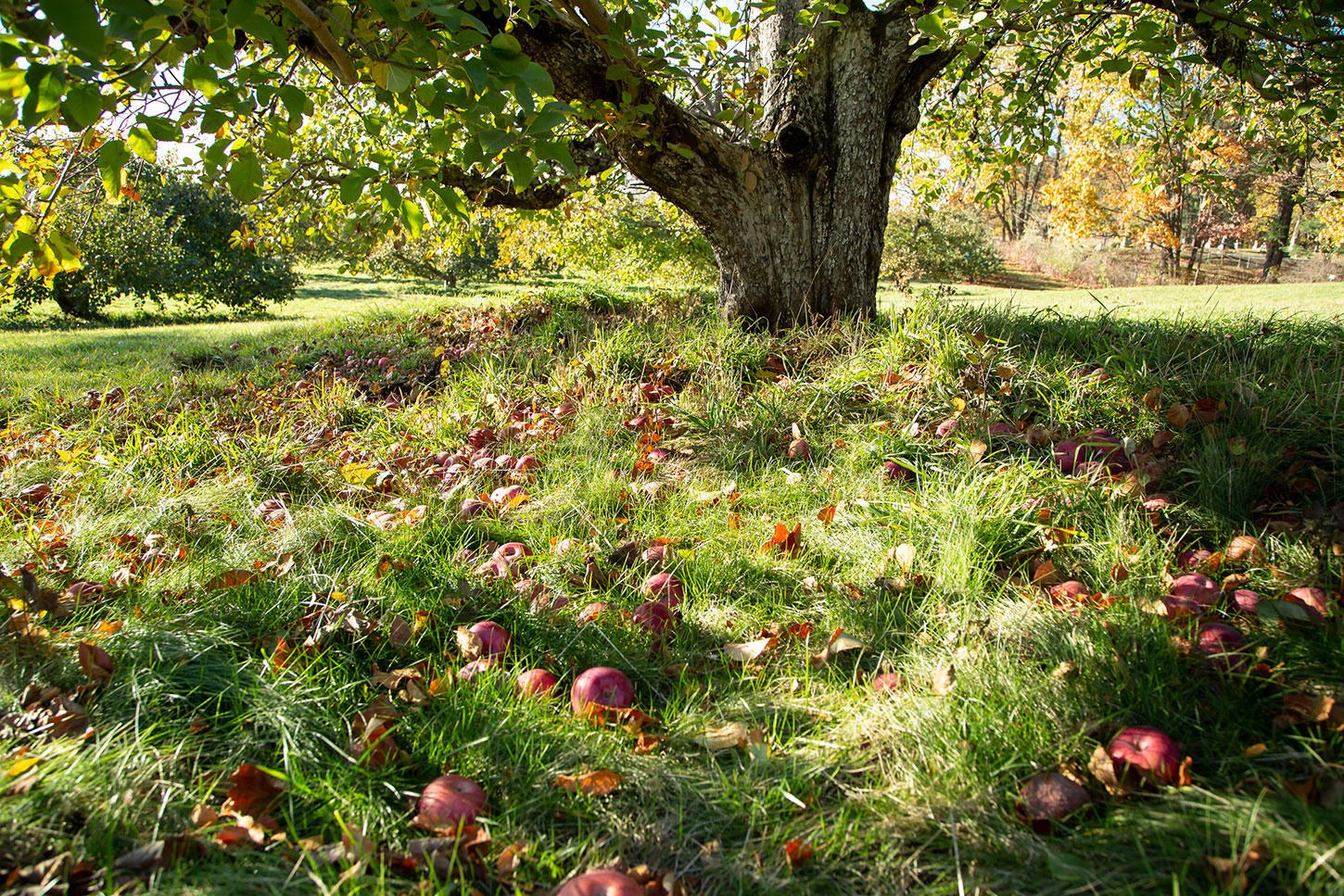 Thin organic matterOrchard soil: how to feed the layer under the treeDon’t dump everything at the trunk. Organic matter, a living cover, and a test beat a yearly dump.
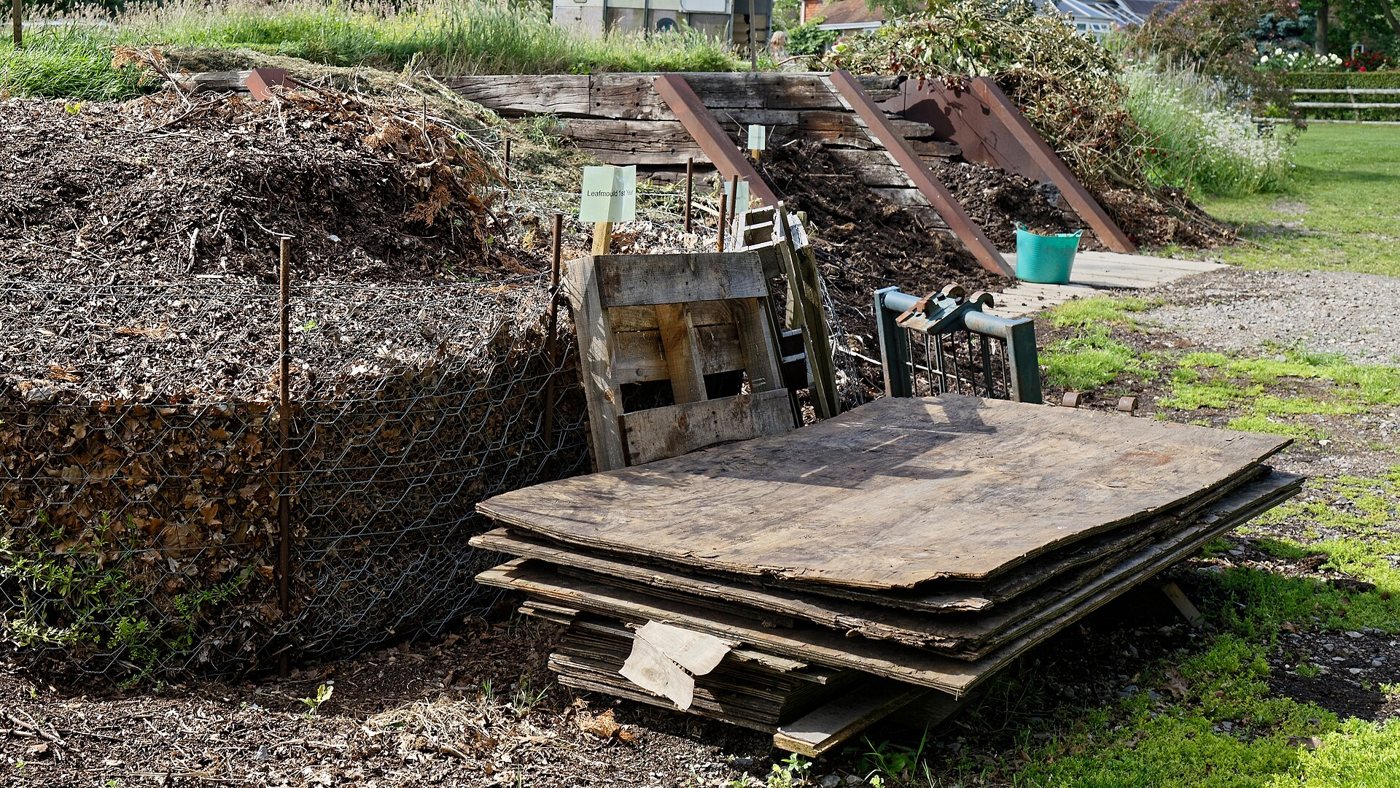 Thin organic matterBuilding organic matter on sand: little and often, not one mountainRepeated modest dressings, cover crops, don’t pile a year’s waste in August.
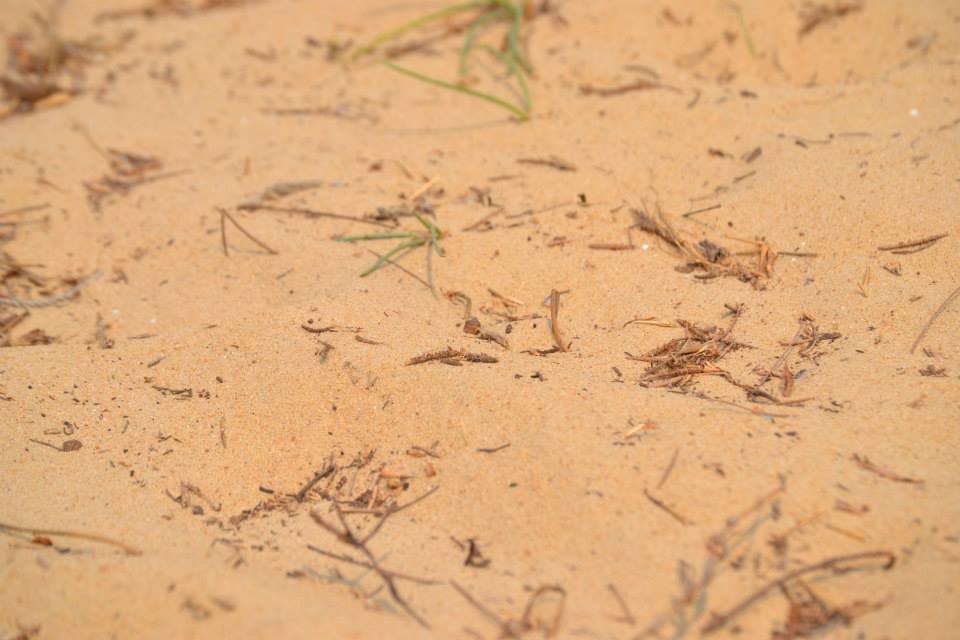 Thin organic matterSandy soil leaks water and fertiliserColour pales, fertiliser is gone after rain. Organic matter in small repeated doses, split nitrogen.
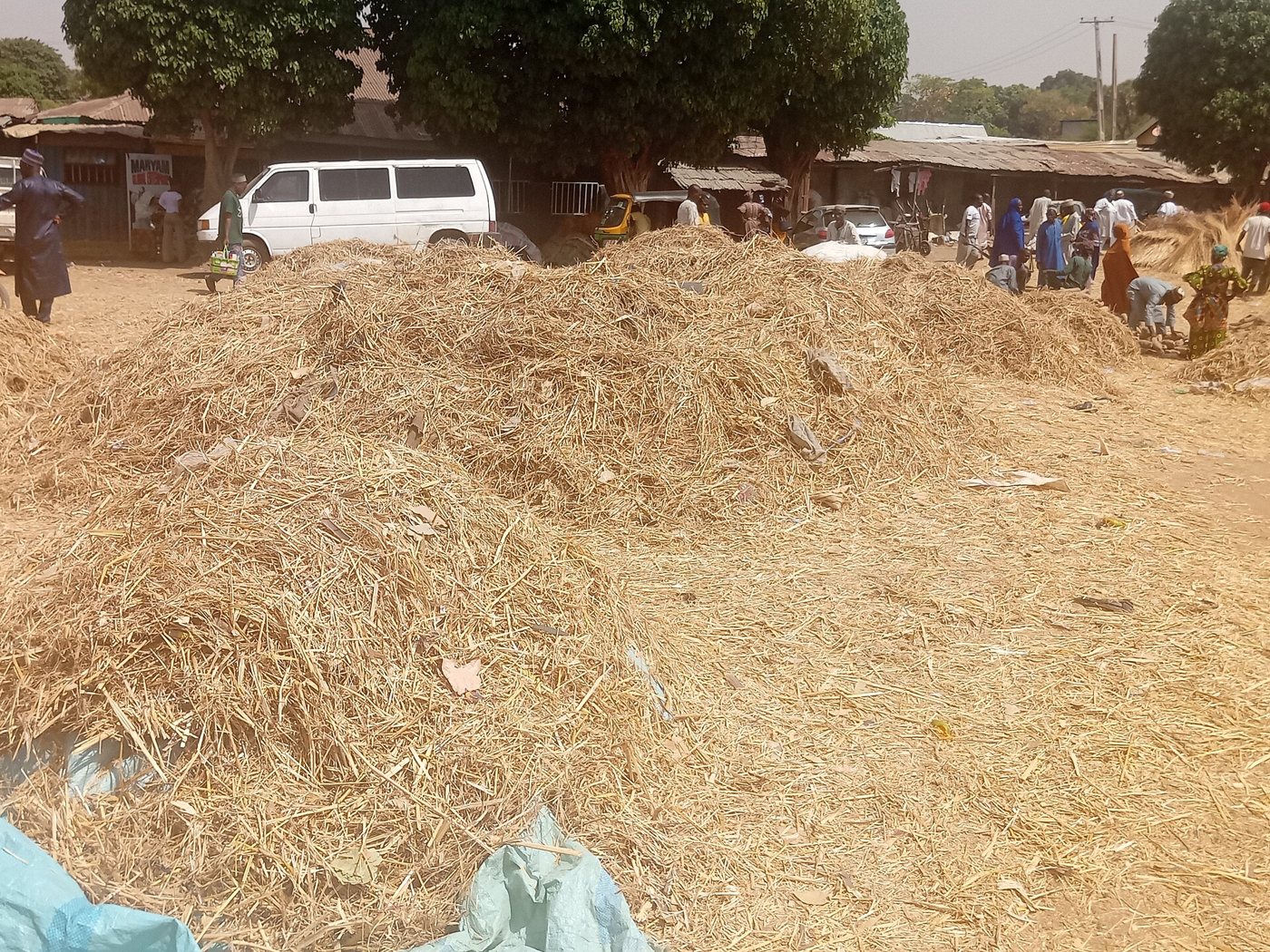 Thin organic matterBio-organic fertiliser: how to use it so it isn’t a placeboA live inoculant on dead, salty, raw compost does nothing. Buy rotted material first.
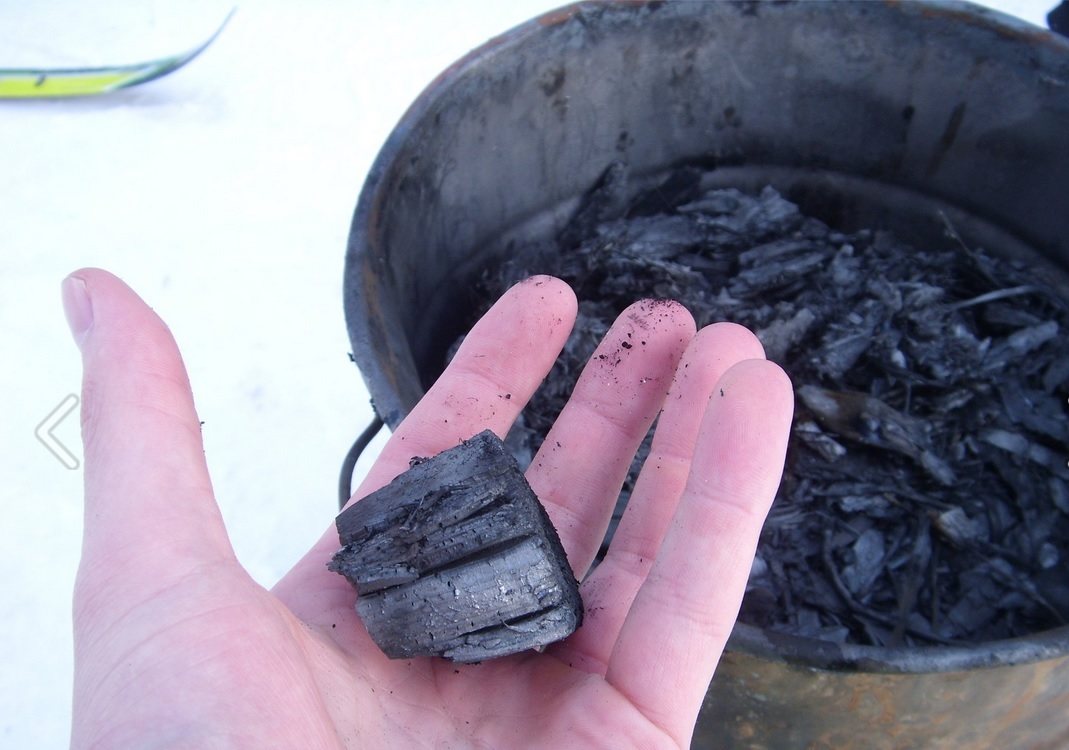 Thin organic matterBiochar: scattering a little per mu is not a turnaroundRaw char can lock nitrogen. It is not a pH recipe and not a yield button.
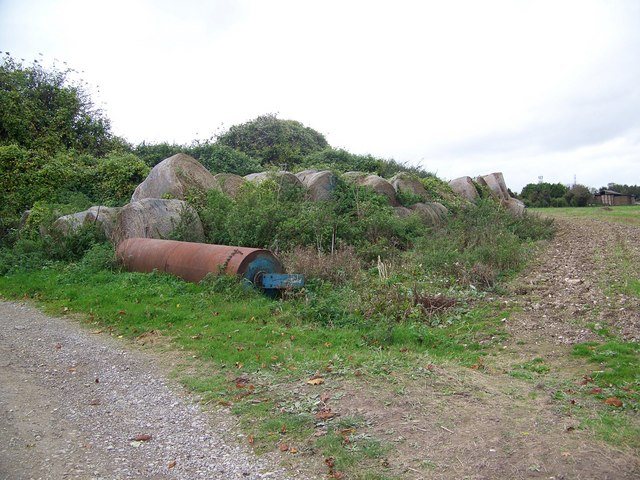 Thin organic matterStraw return: it can feed the soil and also burn or steal nitrogenYellow seedlings after a heavy straw layer. Chop, mix, add a little N, don’t bury a wet mat.
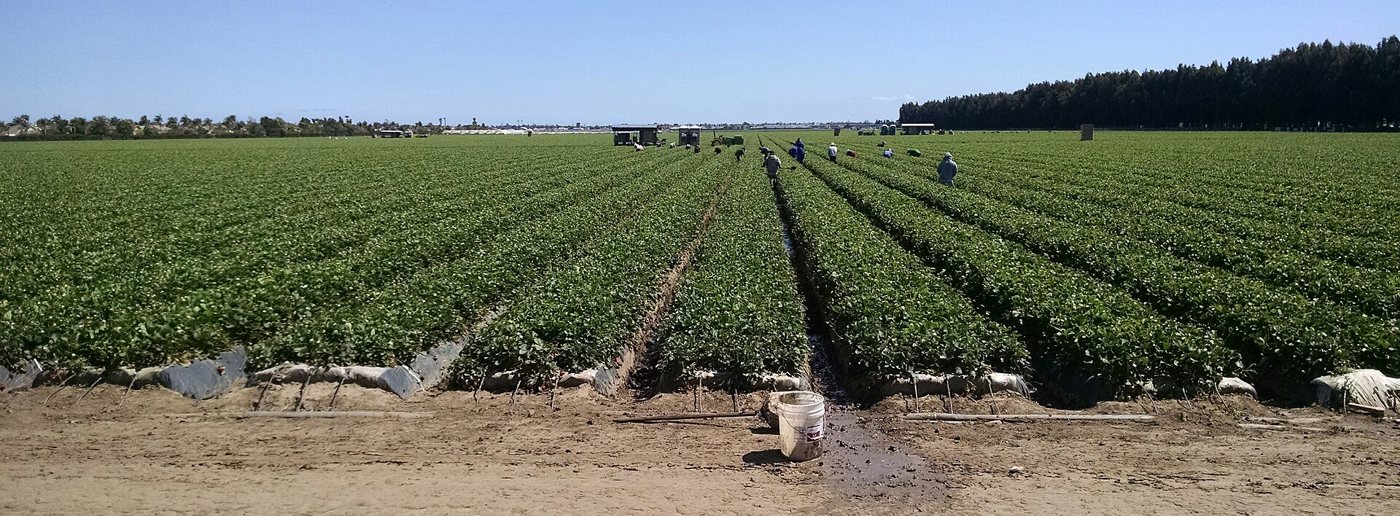 Thin organic matterThe nitrogen bill when you return strawA rough field rate is extra N with the straw, not a second full dressing later when the crop is already yellow.
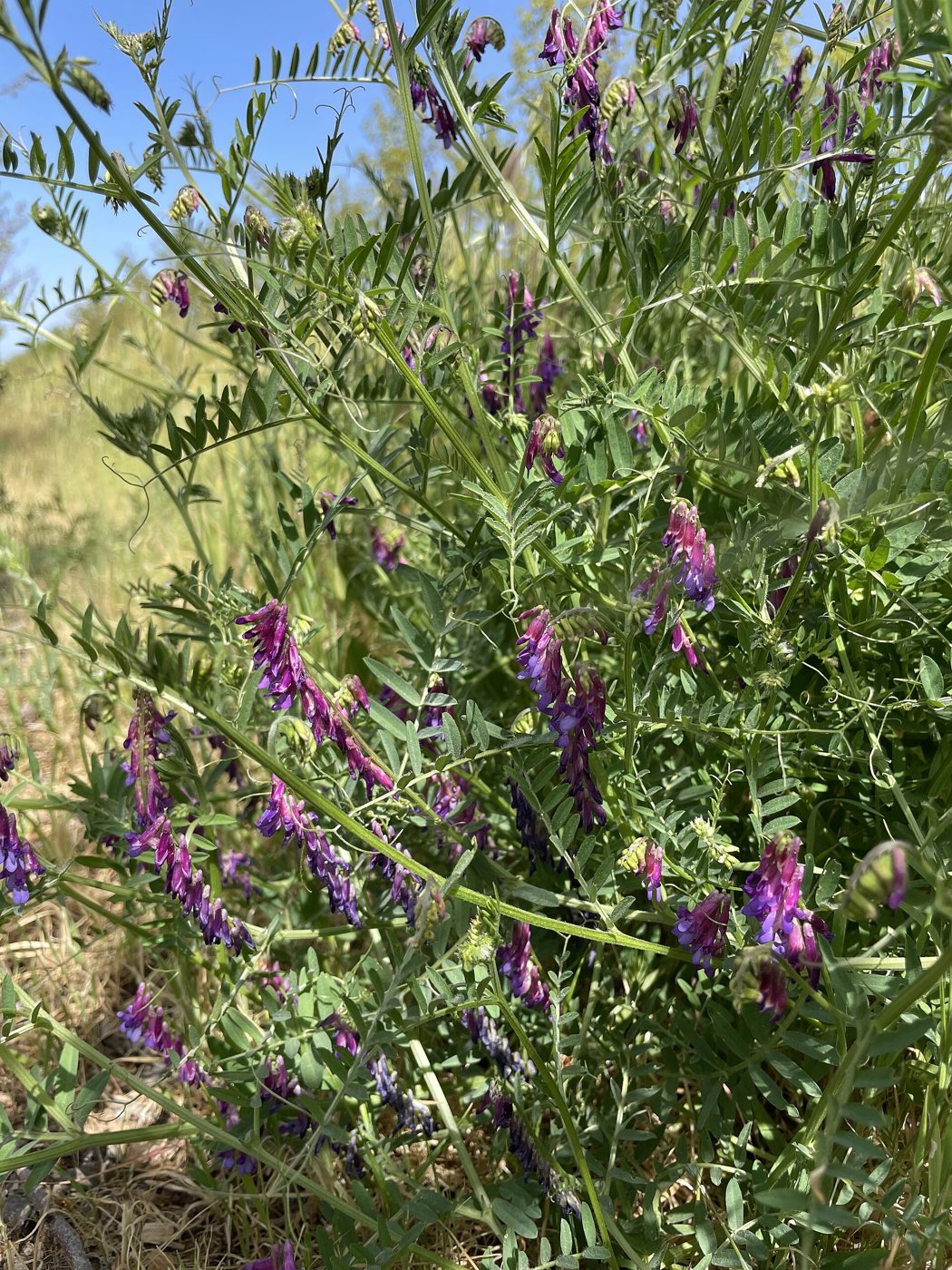 Thin organic matterGreen manure: it can feed the soil and also smother the next cropA wet mat steals nitrogen and air. Chop, wait for white mould, then plant.
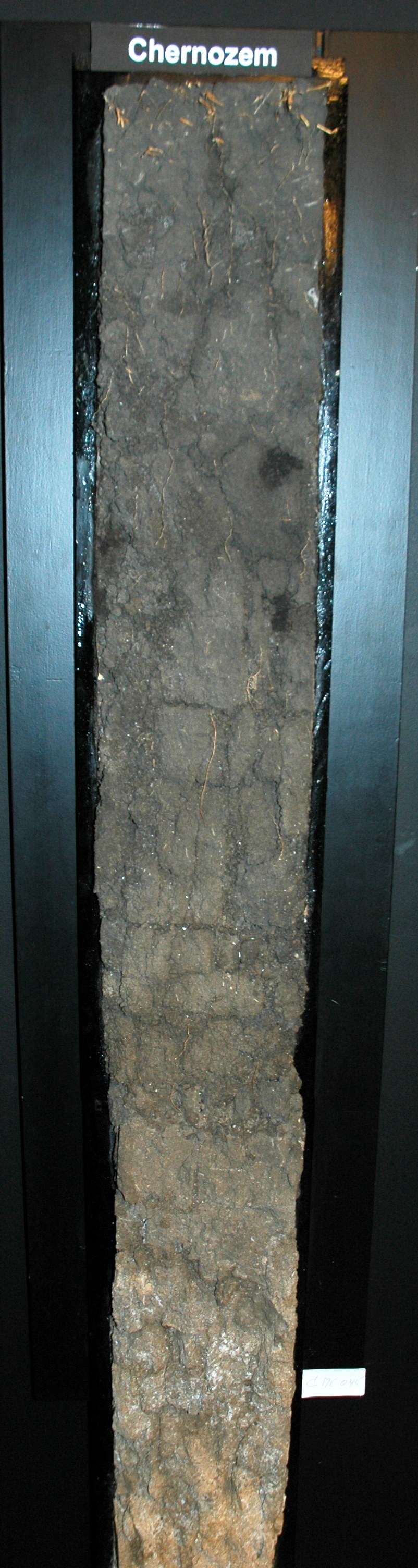 Thin organic matterBlack-soil organic matter drops fast — how to keep itReturn straw, cover, cut bare winter. A number on the sheet is a trend, not a one-year panic.