
Field guide
Something looks wrong in the field? Match it here — acid soil, salt, iron lock, waterlog. Lab-sheet words live under Reading the soil test.
Can’t read the lab sheet? Open Reading the soil testProblem
20 guides
One guide can sit in more than one group, so the chip counts add up to more than 100.
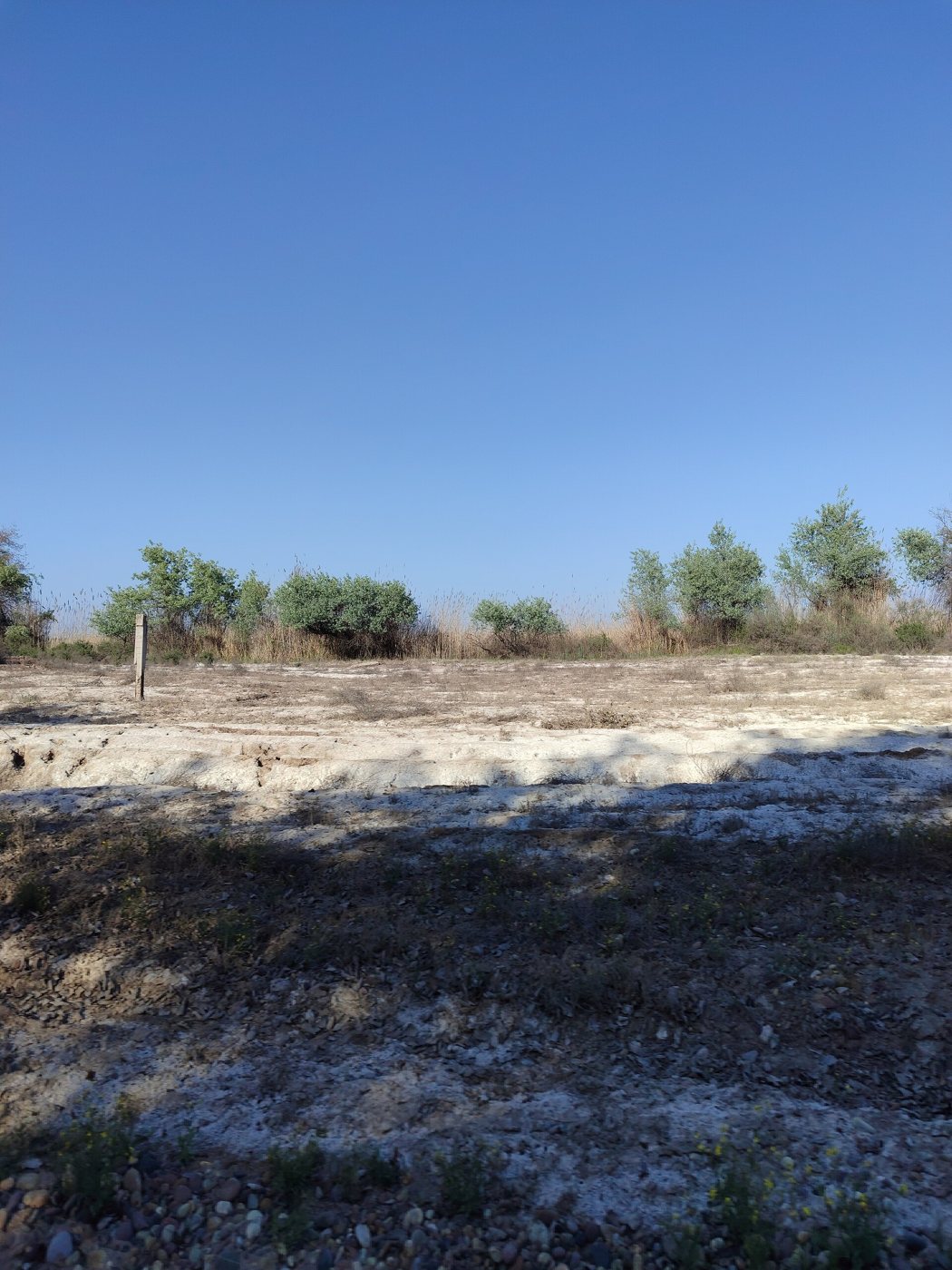 Saline soil: white crust and scorched marginsSplit salt from alkali. Salt is EC; alkali is pH and sodium.Salty-alkali land
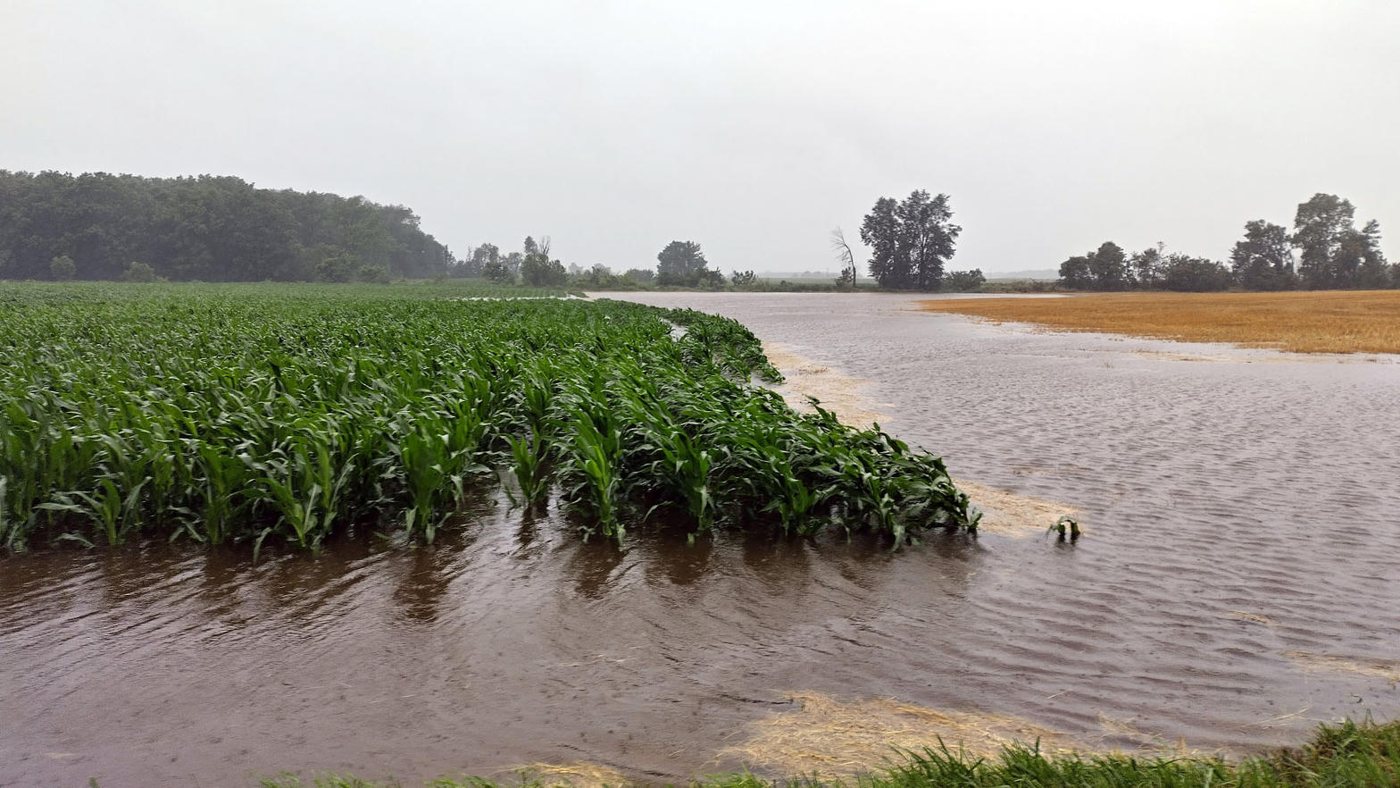 A high water table: the soil never dries, the root never goes deepRaise the bed, cut a drain that actually empties.Waterlogging
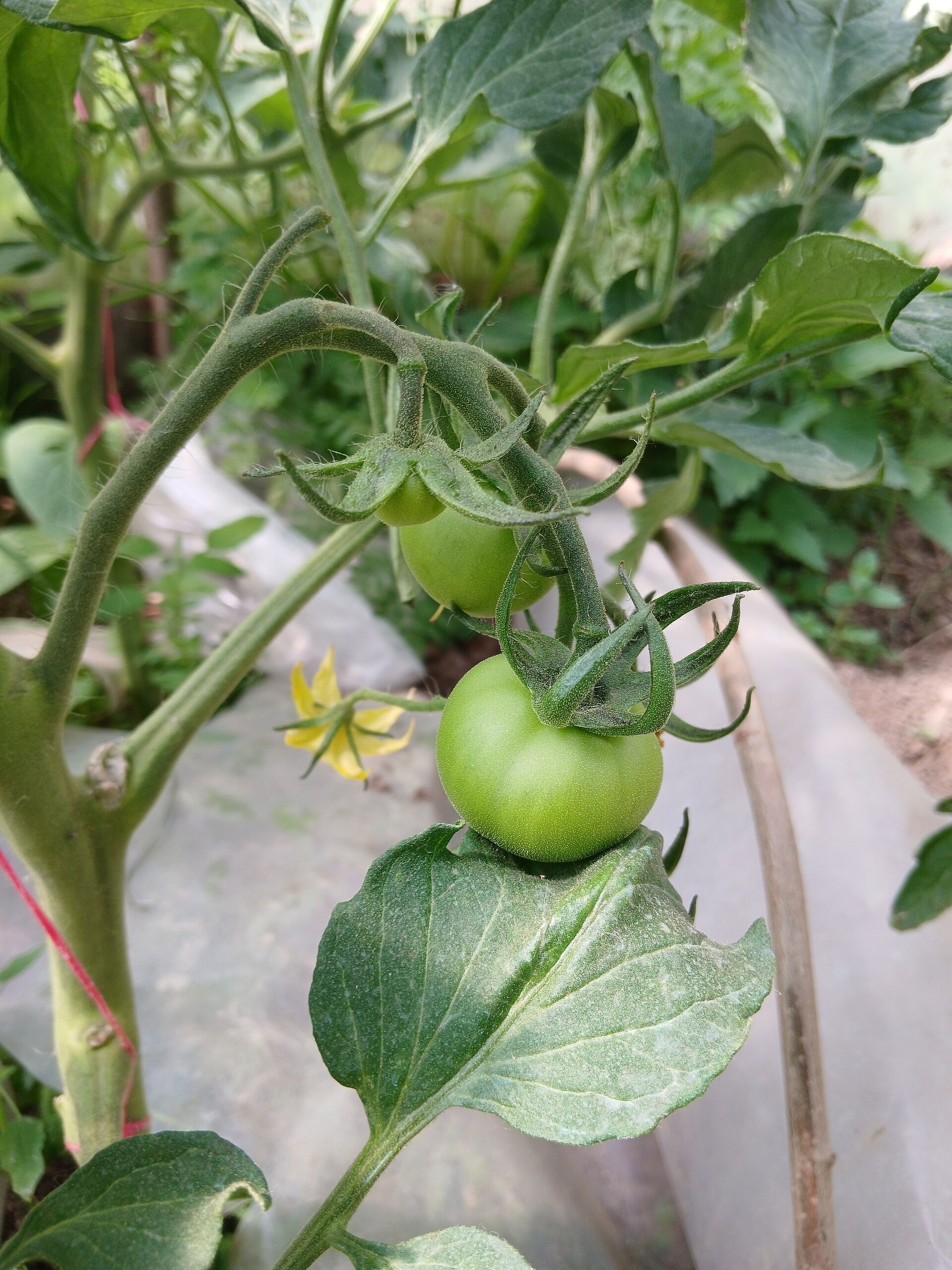 Salt rising at the mulch edge: white frost along the filmWhite at the hole and the edge. Don’t just punch more holes. Manage water under the sheet.Salty-alkali land
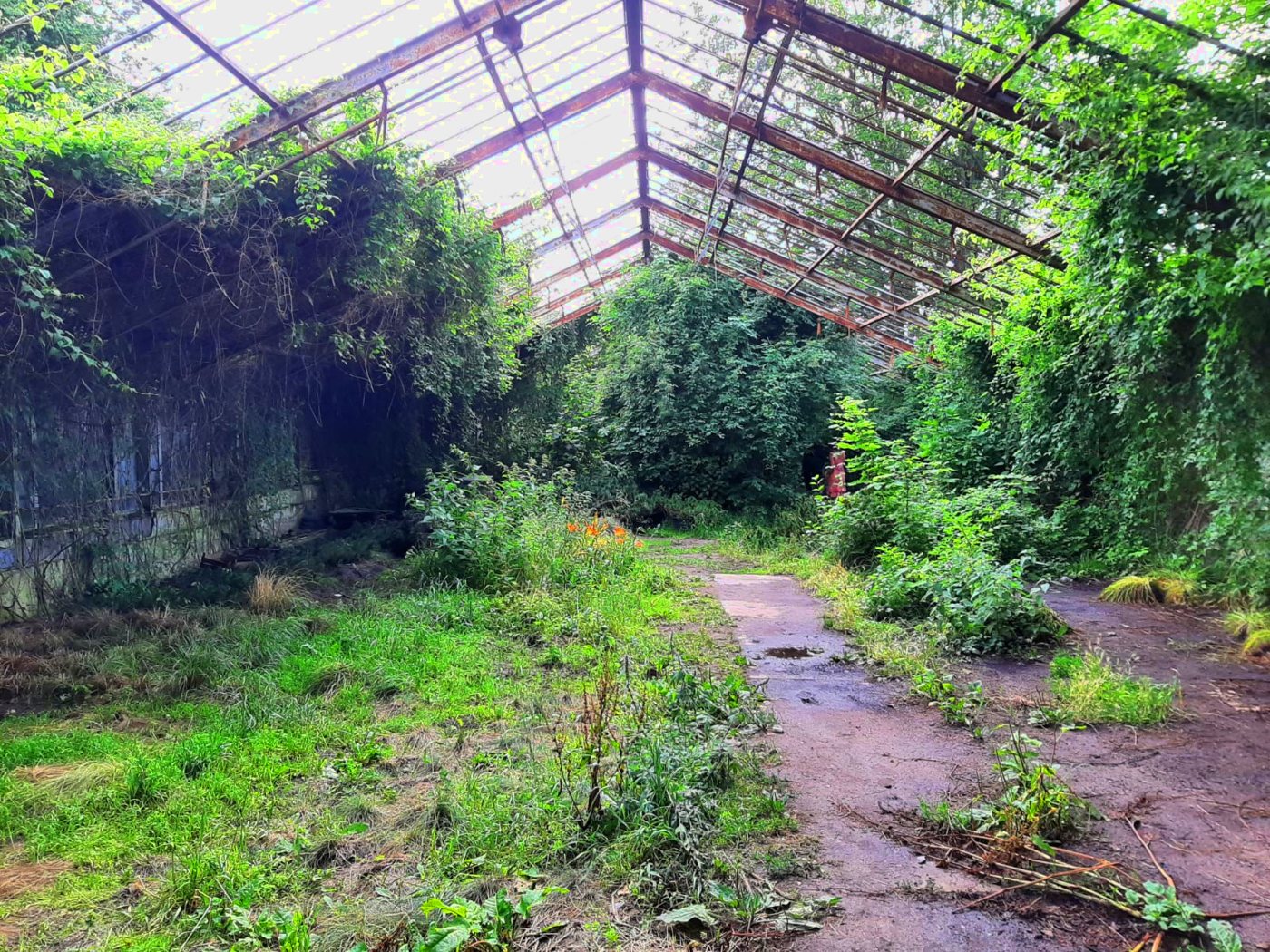 Replace the greenhouse soil or wash it: don’t strip the shed at the first white crustTest EC. If you can drain, wash. If the film has trapped years of drip salt, then talk replacement.Salty-alkali land
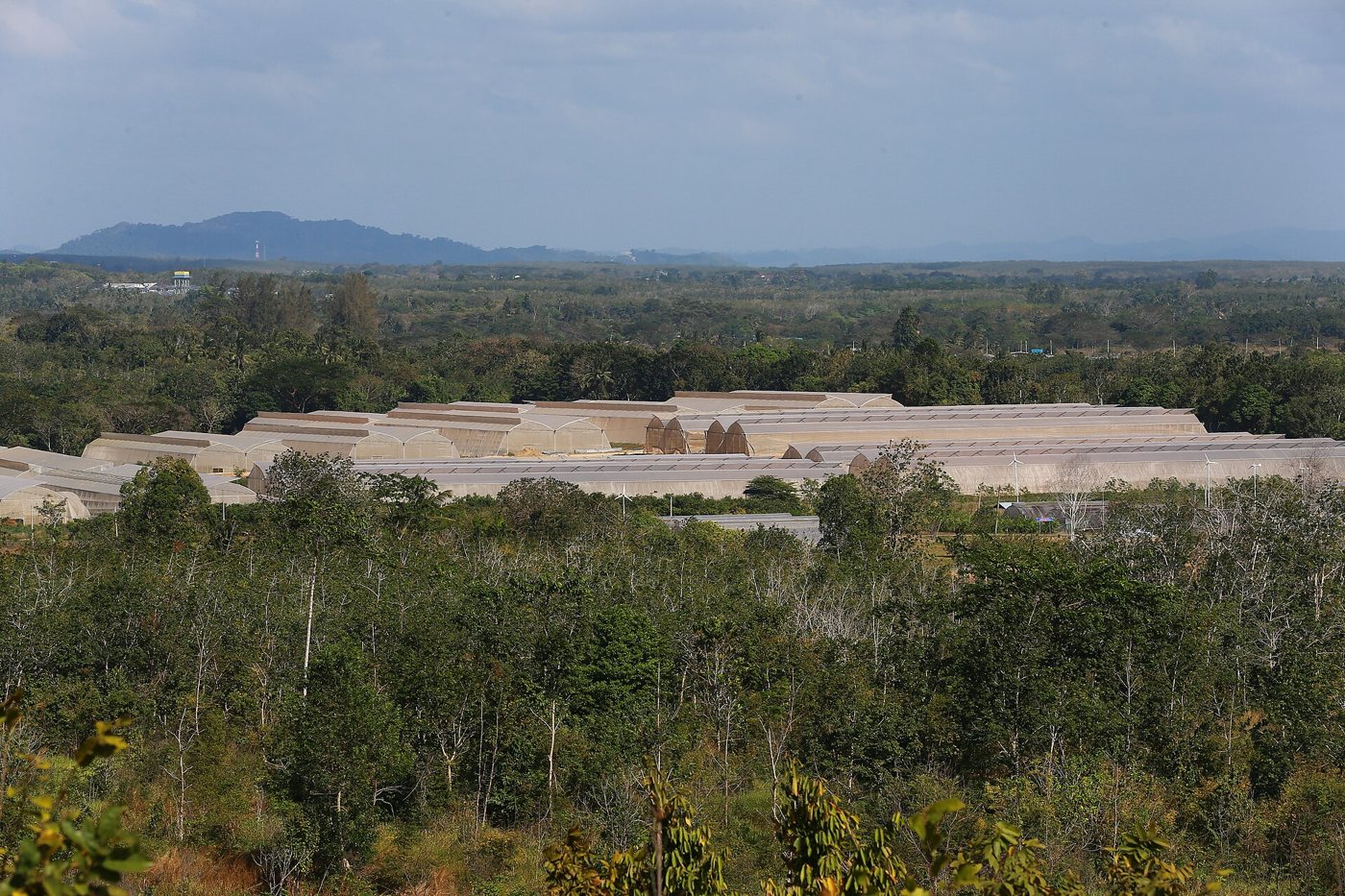 Greenhouse salt: white frost under the film, the bed gets saltierWhite crust at the drip line, leaf edges burn, yield drops. Flush only if you have a way out; don’t just change the soil.Salty-alkali land
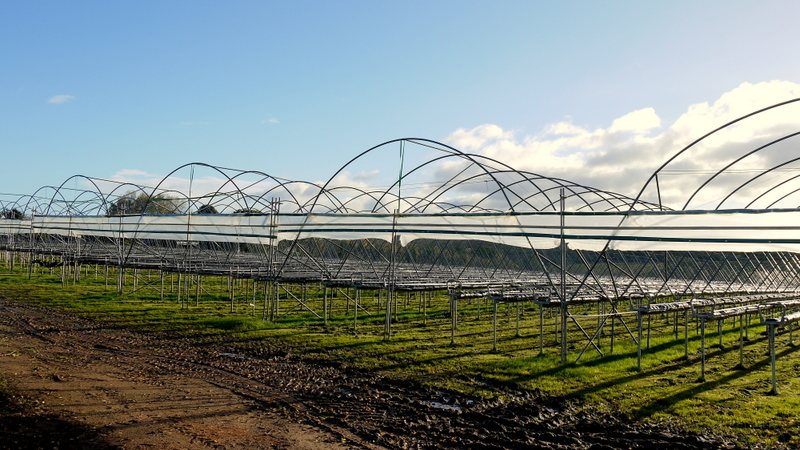 Greenhouse decline: salt, disease and burn arriving togetherWhite crust, wilt, burn after a rich year. Flush, rotate, rest the bed. Don’t only change the soil.Same crop again
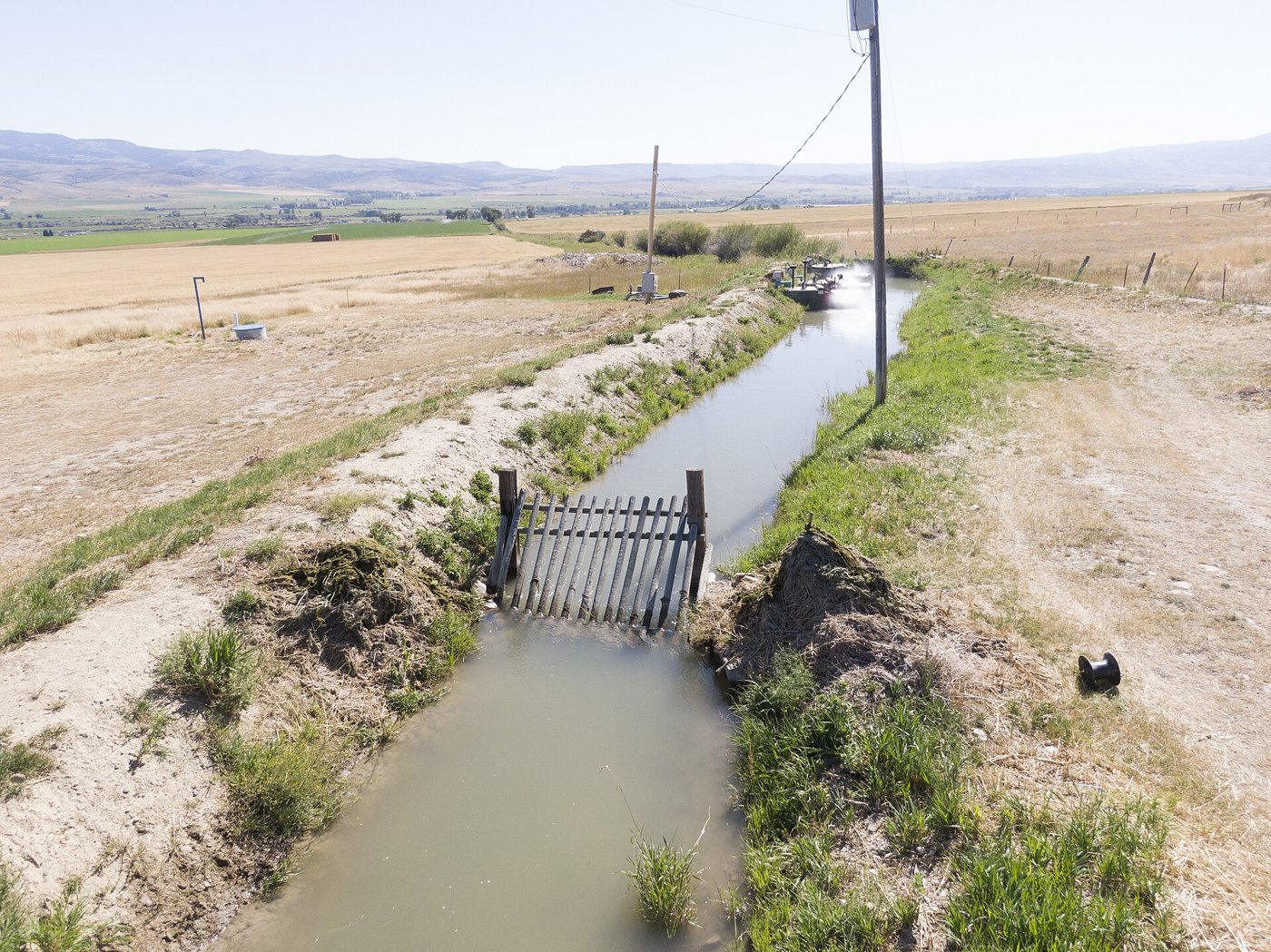 Slightly saline irrigation: you can water, you cannot water the same way every timeAlternate with fresher water if you have it, leach when you can drain, watch EC.Salty-alkali land
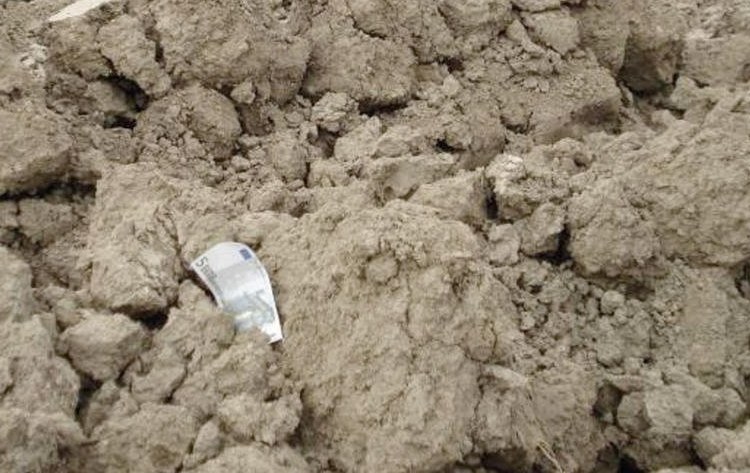 Drought or salt: how to tell a wilt from a scorched edgeDry soil plus recovery at night leans drought. White crust plus worse after watering leans salt.Salty-alkali land
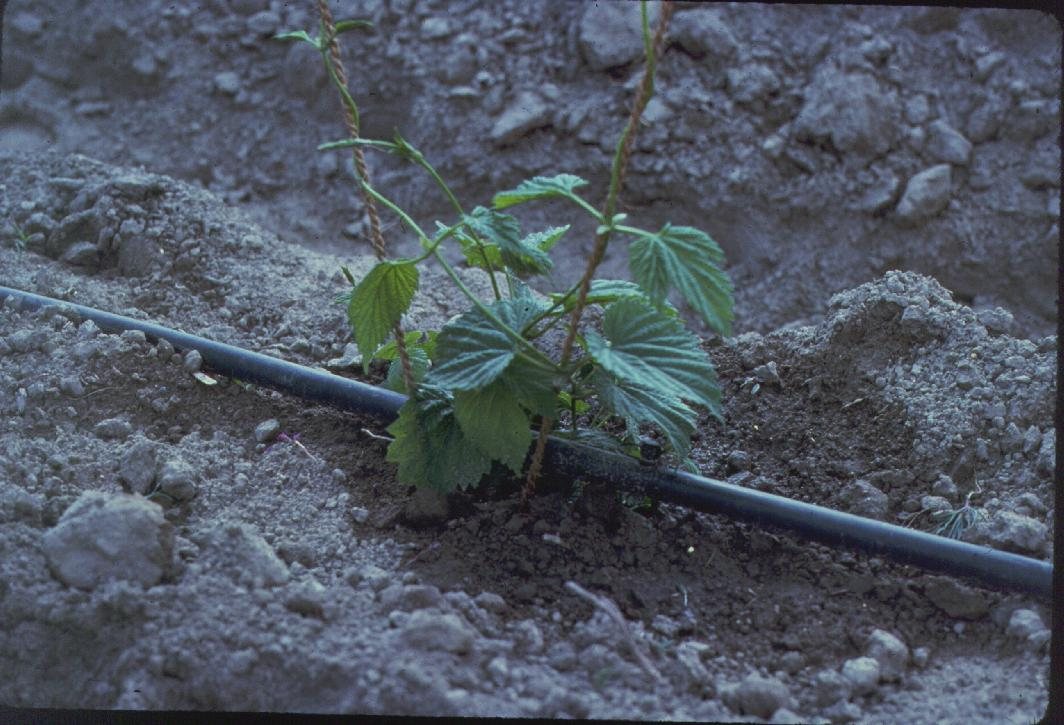 Fertigation: when EC is over the line you are pickling the rootRead EC, dilute, flush if you can drain. Don’t turn the tap stronger because the leaf is pale.Other
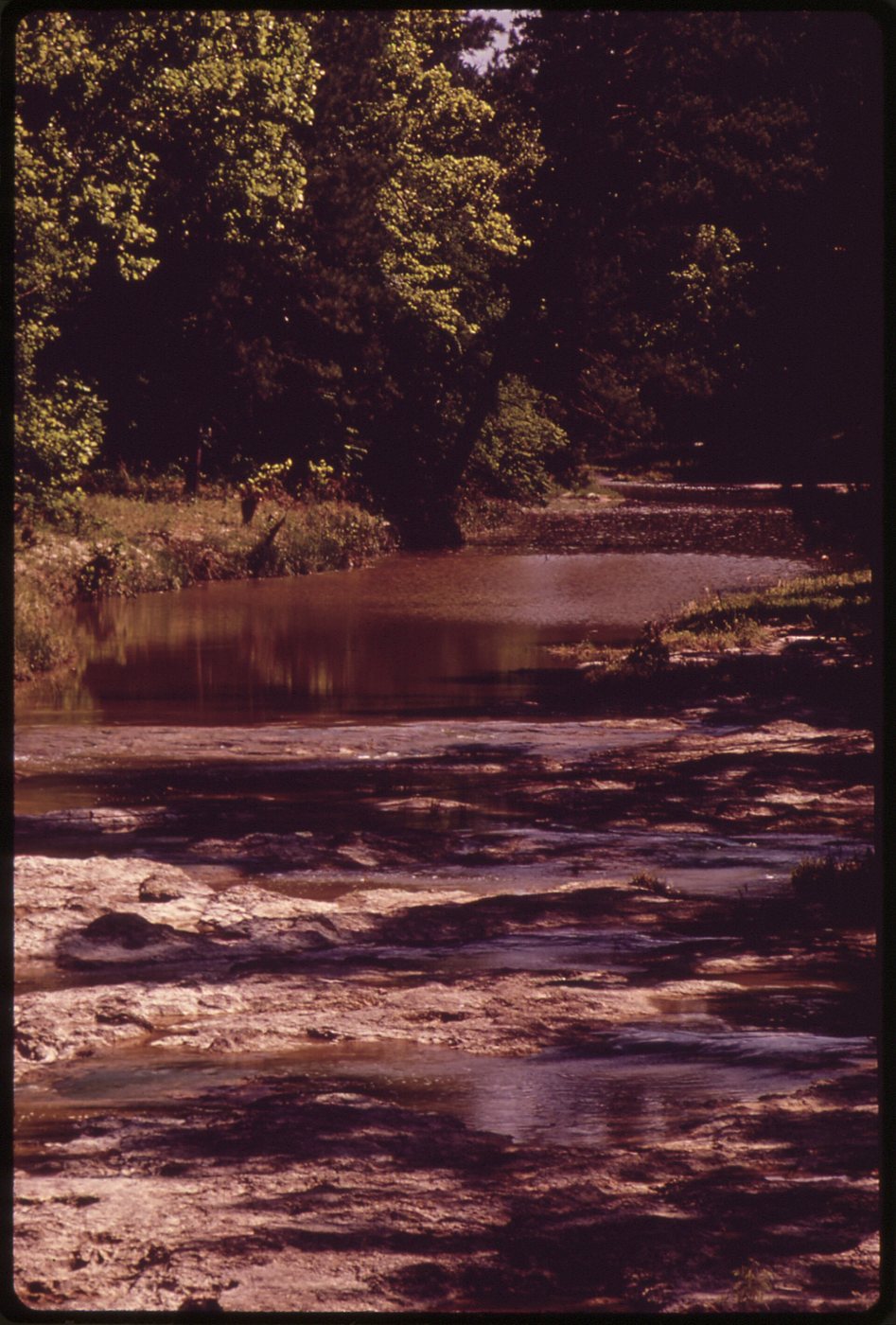 Leaching salt: irrigation without drainage just drives the salt upOpen the drain, then water. Cover to stop the return. Don’t flood a closed basin.Salty-alkali land
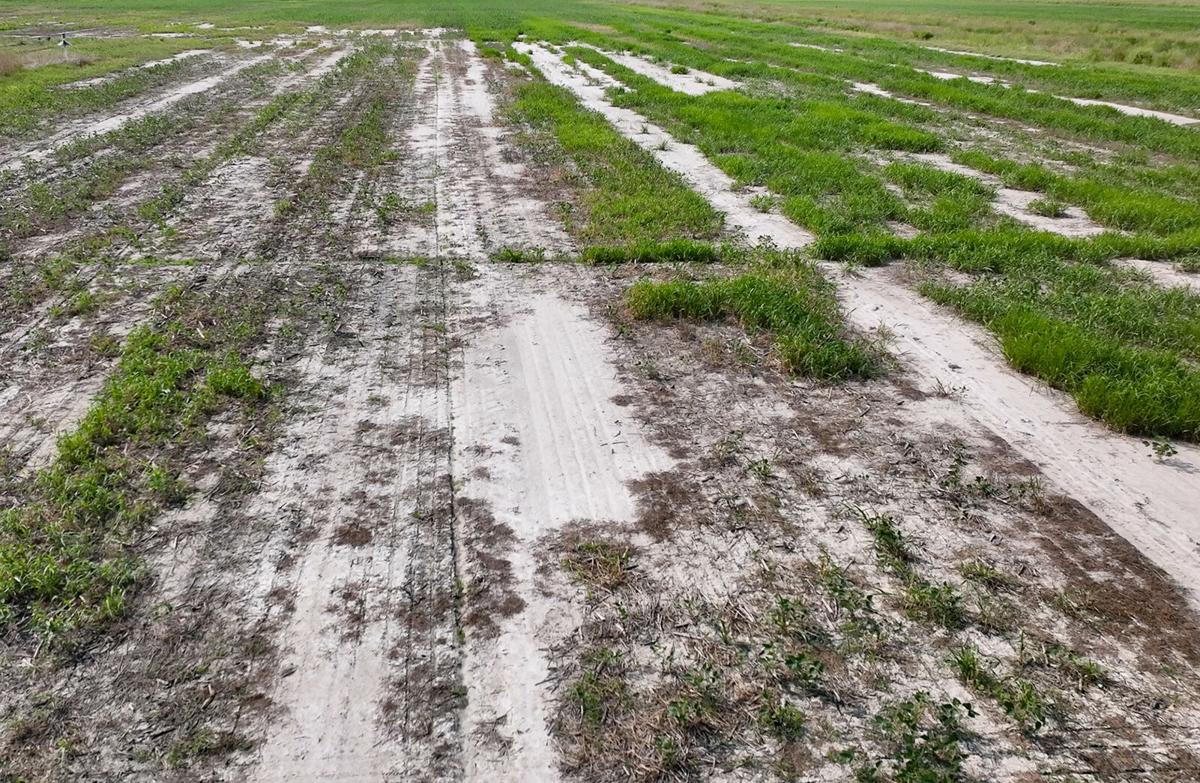 Coastal saline soil: drain and wash first, then talk fertilityWhite crust near the sea, poor emergence. Ditches that actually empty, then organic matter.Salty-alkali land
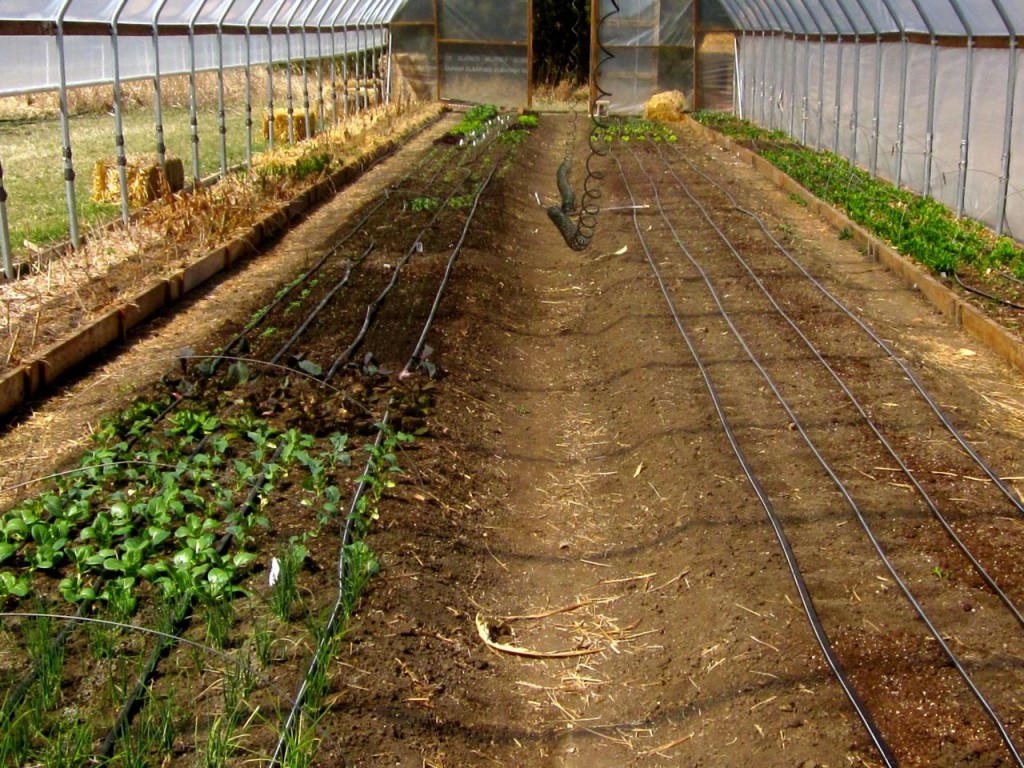 Drip too strong: every watering can salt the root zoneTips burn, white at the emitter, growth stalls. Dilute, flush if you can drain, then restart weaker.Fertiliser burn
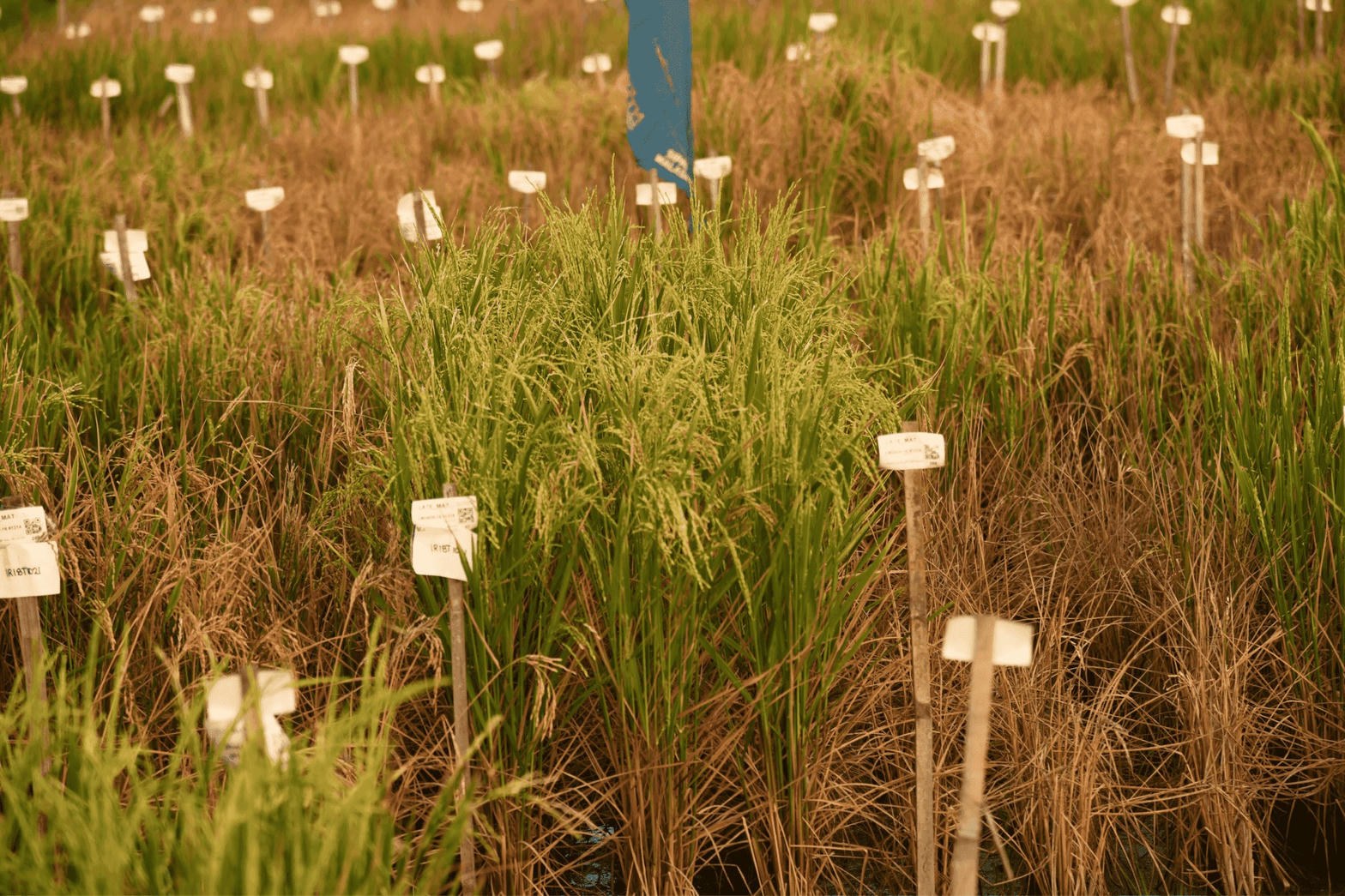 What to plant on saline-alkali land: keep the seedling alive before you chase yieldMatch salt tolerance, plant on ridges, don’t start with the thirstiest crop.Salty-alkali land
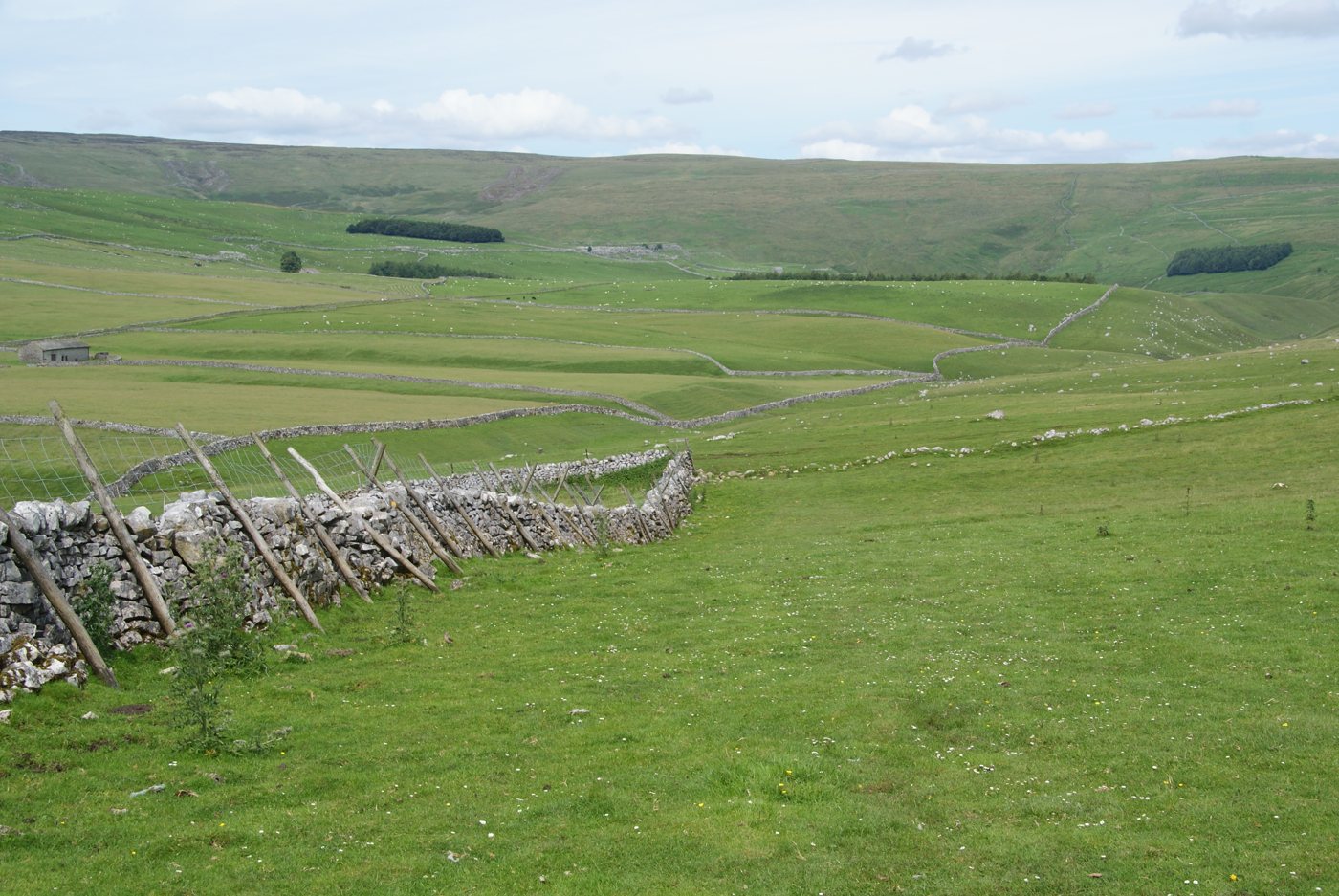 Calcareous soil: the fertiliser is in the ground, the root can’t eat itNew leaves yellow with green veins, P stays purple. Don’t keep pouring the same bag. Work the root zone.Salty-alkali land
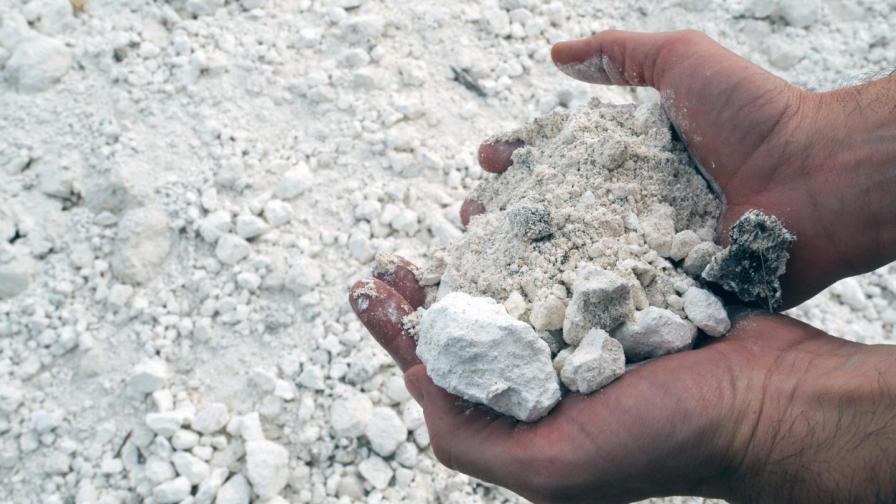 Gypsum for alkali, leaching for salt — they are not the same jobGypsum helps sodic soil. Salt still needs water that can leave. Don’t spread gypsum on every white film.Salty-alkali land
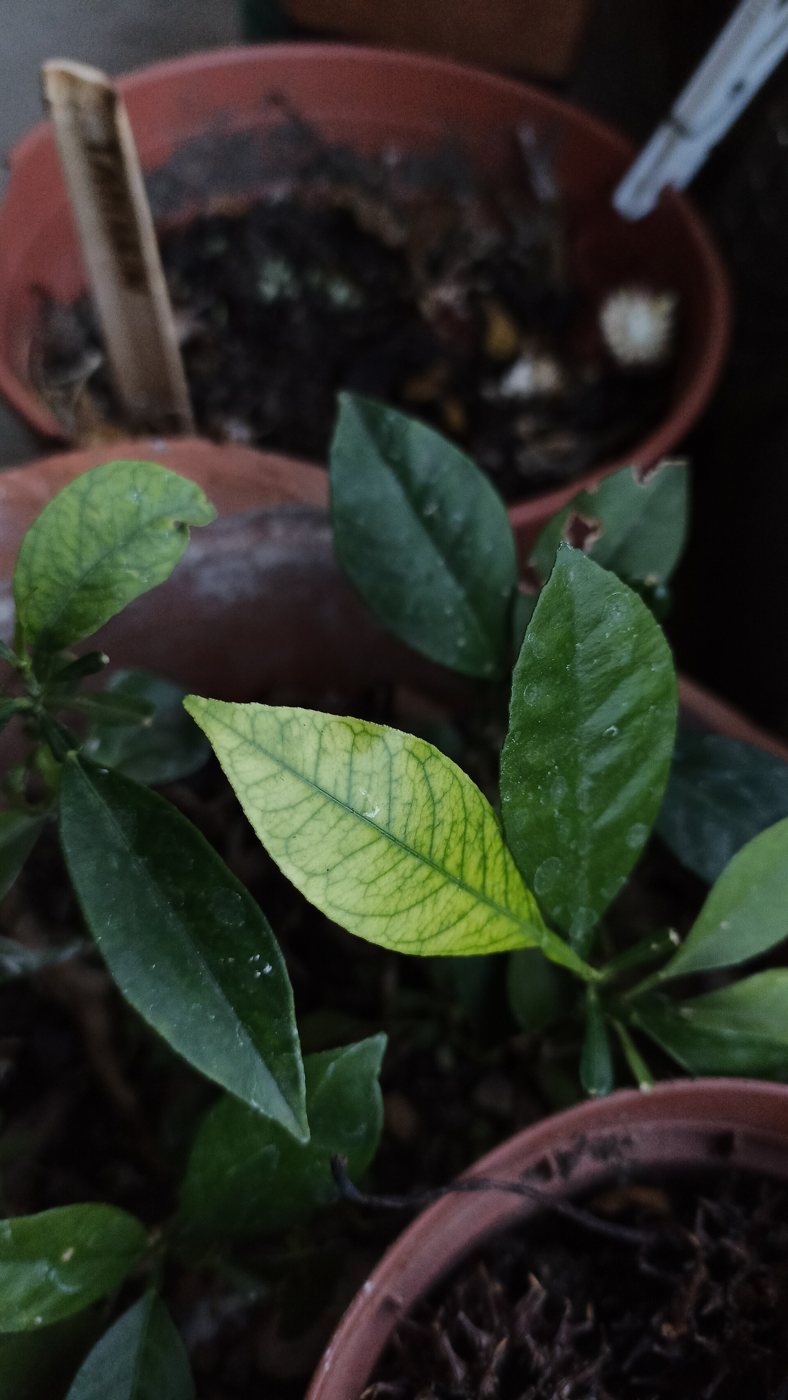 Iron: new leaves yellow, veins still greenOften a pH lock, not a missing bag of iron.Nutrient shortage
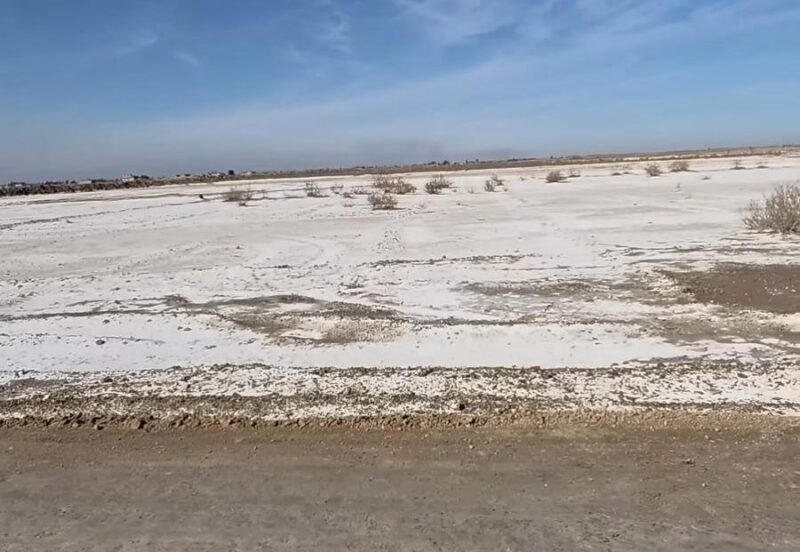 Soda saline-alkali: alkali and salt are not the same thingDon’t spread gypsum on every white film, and don’t leach a sodic cap the same way you wash table salt.Salty-alkali land
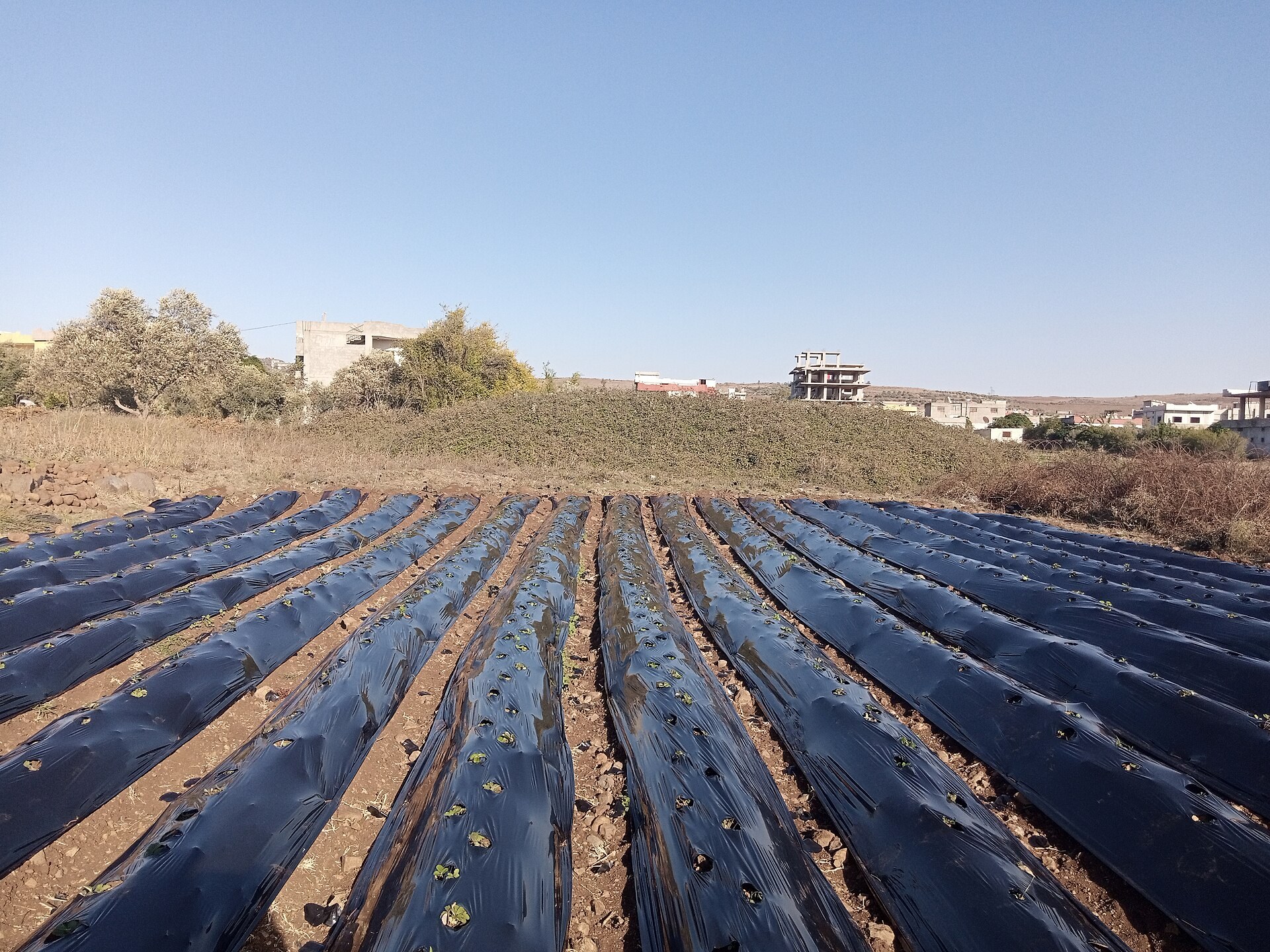 Strawberry replant: salt, nematodes and wilt in the same bedClean stock, rotation, salt check. A disinfectant is not a full answer.Same crop again
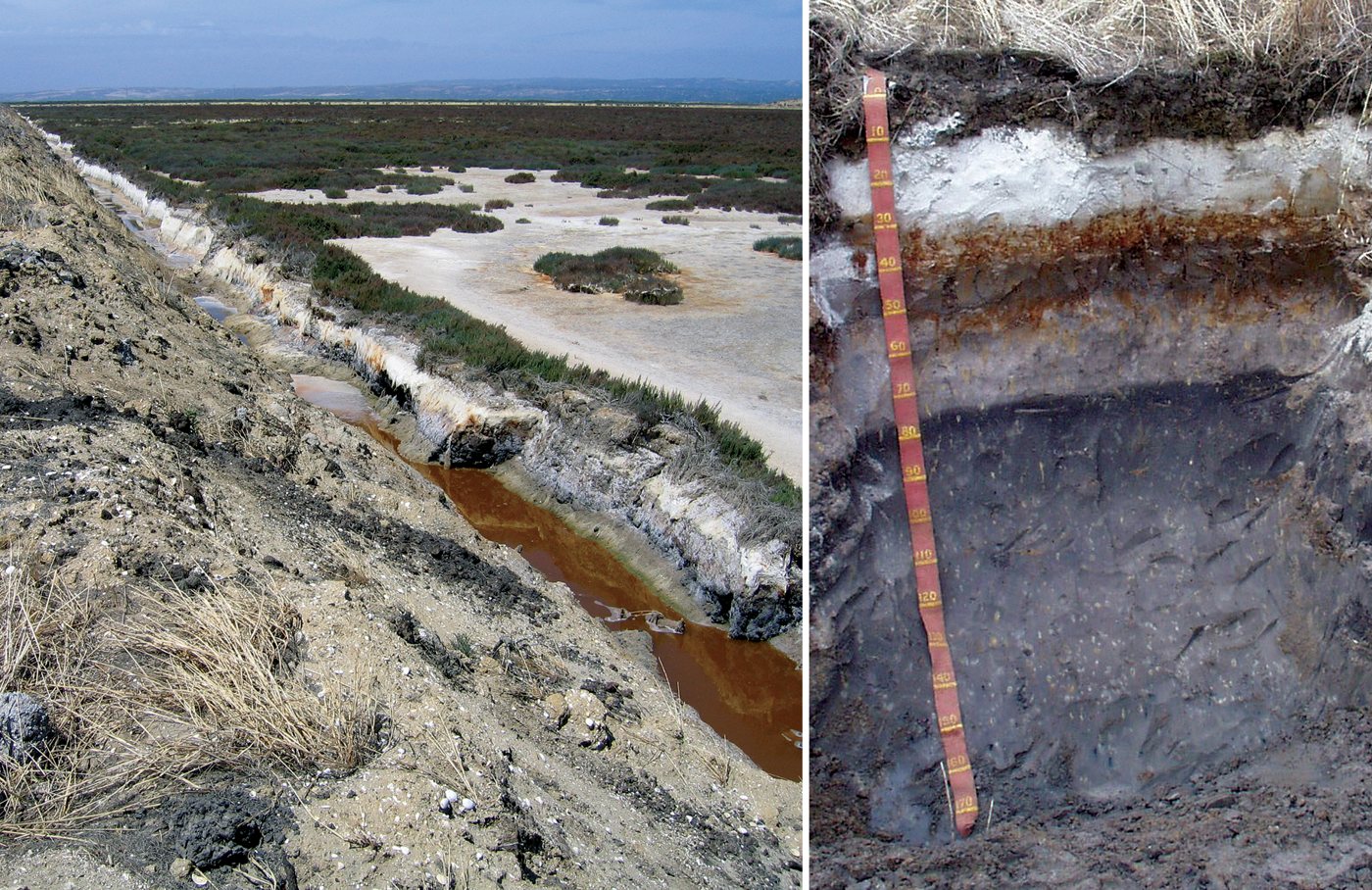 Salt rising: after you water, the soil is whiterA white film after irrigation and sun. Cover and drain. Don’t flood without an outlet.Salty-alkali land
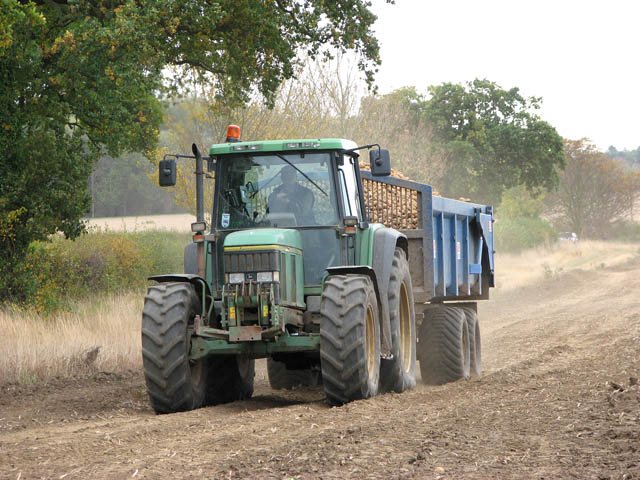 Potato scab and a soil that leans alkalineRusset scab on tubers in high-pH, dry soils. Keep pH in the potato window, irrigate at tuber set.Salty-alkali land